
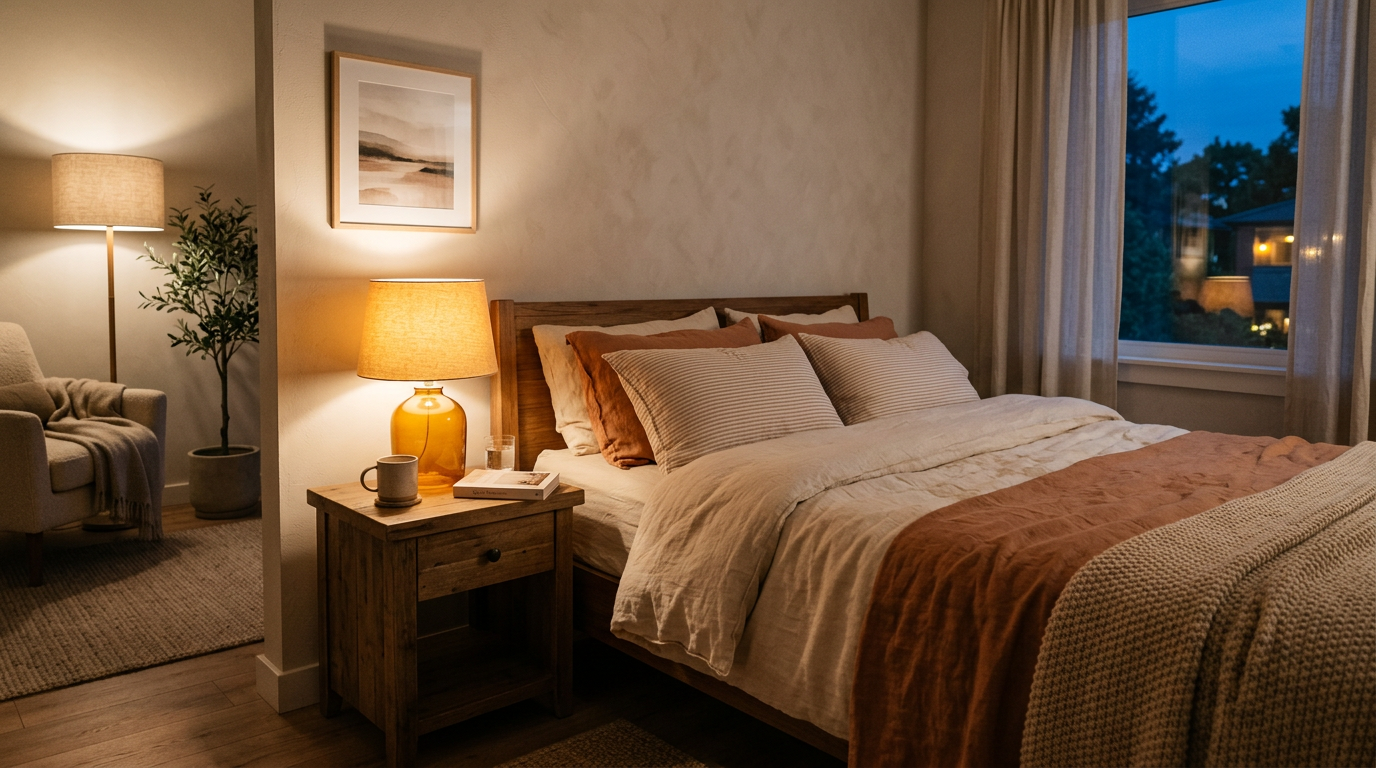
The right bedroom lighting can turn a plain room into a warm little retreat in one evening. I learned this the hard way after living under one harsh overhead bulb for years and wondering why my bedroom never felt calm. A few layered light sources later, and the whole room finally felt like somewhere I wanted to unwind.
Good bedroom lighting ideas are not about buying expensive fixtures. They are about understanding where light falls, how warm it feels, and when it should dim. A cozy bedroom atmosphere comes from small, thoughtful choices rather than one big design statement.
In this article, I am sharing the bedroom lighting ideas, layouts, and small upgrades that actually make a bedroom feel relaxing. Whether you rent a small apartment or own a large master suite, these lighting tips and lighting techniques work for almost any space.
Why Bedroom Lighting Sets the Mood for a Relaxing Space
Lighting affects mood more than most people realize. Bright, cool white light keeps your brain alert, which is the last thing you want before bed. Warm, dim light does the opposite. It signals your body to relax and slow down.
I noticed this shift myself when I swapped my daylight bulbs for warmer ones around 2700K. The room did not look different in the daytime, but the evenings felt noticeably calmer. That single change did more for my sleep routine than any new pillow or blanket.
This is why bedroom lighting design is not just decoration. It works alongside your color palette, textures, and layout to shape how restful the whole room actually feels. Get the light right, and everything else in the room feels more inviting too.
1. Layer Your Light Sources
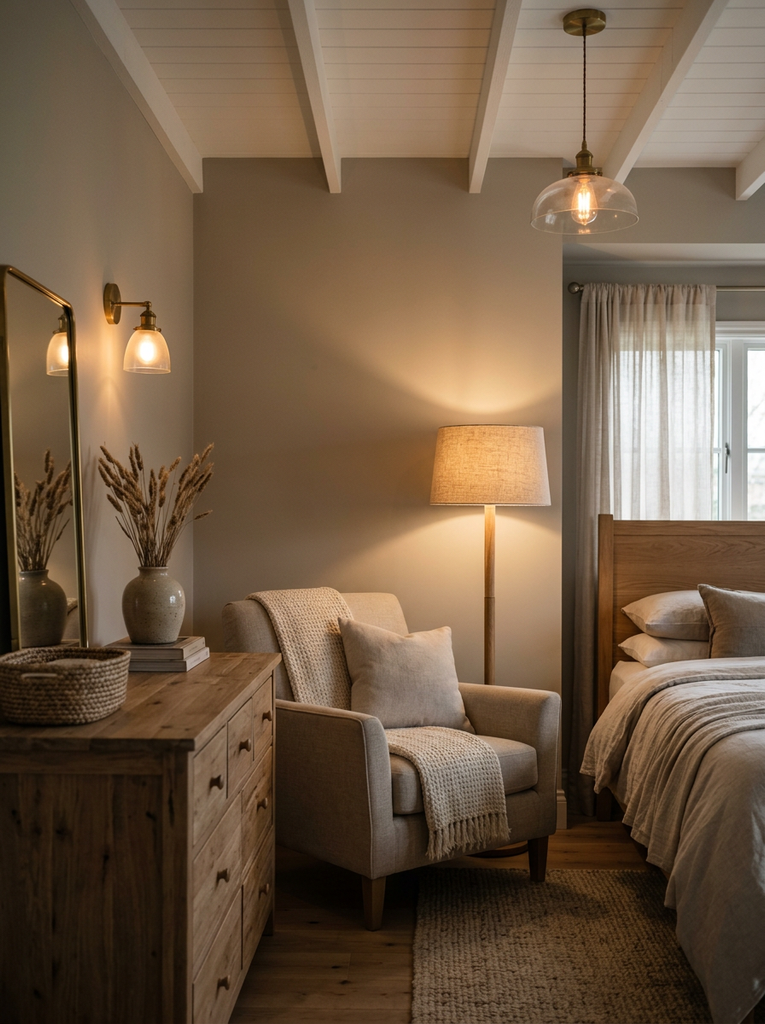
One overhead light is never enough for a relaxing bedroom. I always suggest combining ambient, task, and accent lighting instead of relying on a single ceiling fixture.
Ambient light fills the room with a general glow, task light handles reading or dressing, and accent light highlights a corner or piece of art. Together, these layers give you control over the mood at any hour.
When I finally added a floor lamp and two small sconces alongside my ceiling light, the room stopped feeling flat. Every layer gave me a different option depending on the time of day.
2. Choose Warm Bulb Temperatures
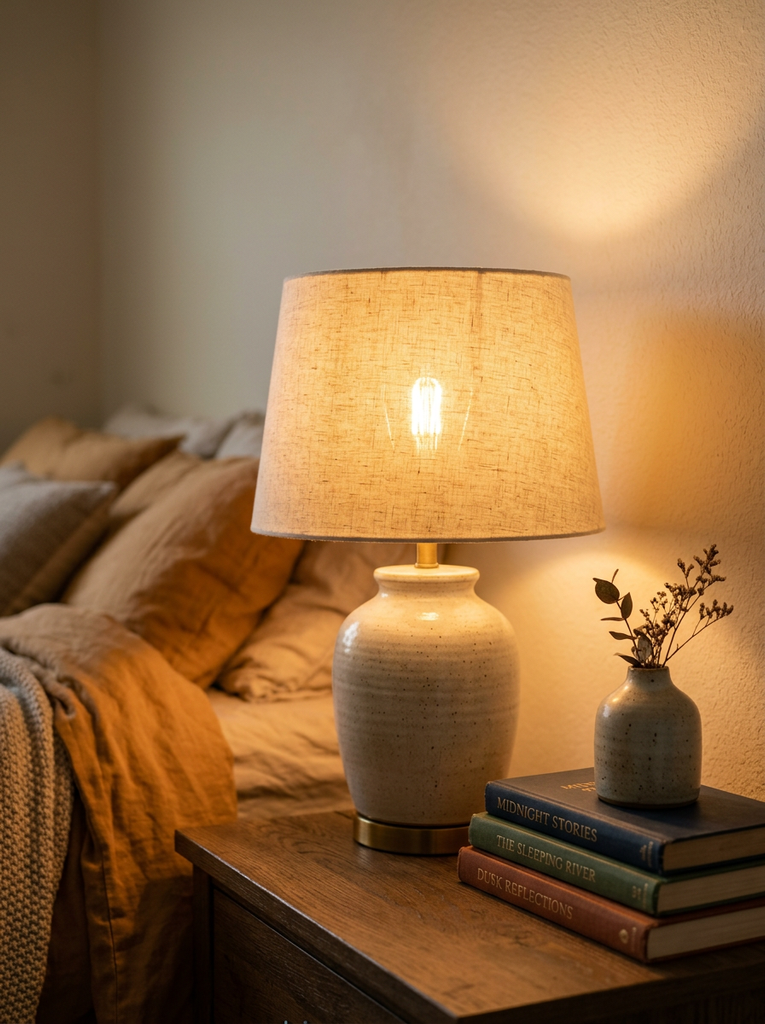
The color temperature of your bulbs matters more than most people expect. Warm white bulbs between 2700K and 3000K create that soft, cozy bedroom glow, while cooler bulbs feel closer to office lighting.
Cool white or daylight bulbs above 5000K work well in a closet or dressing nook, but they are too harsh for a bedroom meant for winding down. Save the cooler tones for task areas only.
I switched every bulb in my bedroom to warm white and noticed the room instantly felt calmer, even during the day. It is a small, cheap change with a surprisingly big payoff.
3. Add Bedside Table Lamps
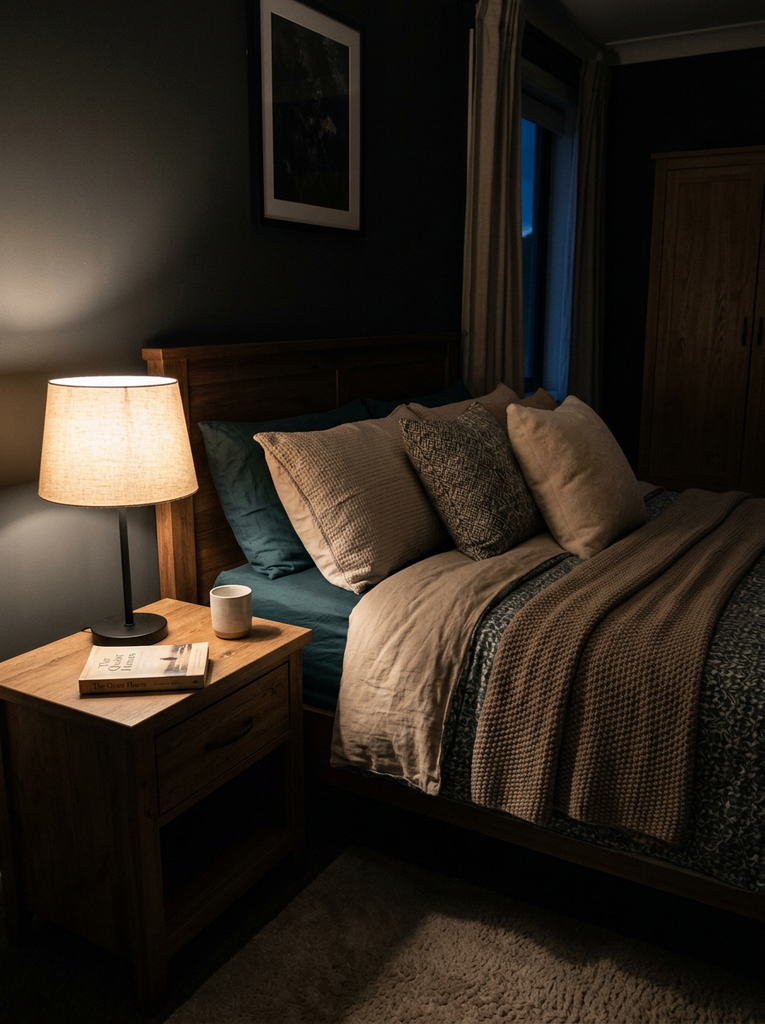
Bedside lamps are one of the simplest bedroom lighting ideas, yet they do the most work. A good table lamp gives you soft, low light for reading without waking a partner beside you.
Look for lamps with fabric or frosted glass shades, since these diffuse the light rather than casting a harsh beam. A dim, diffused glow feels far more soothing than a bare bulb ever will.
My own bedside lamp has become part of my nightly routine. I dim it low, read a few pages, and switch it off, and that small ritual has genuinely improved how quickly I fall asleep.
4. Install Dimmer Switches
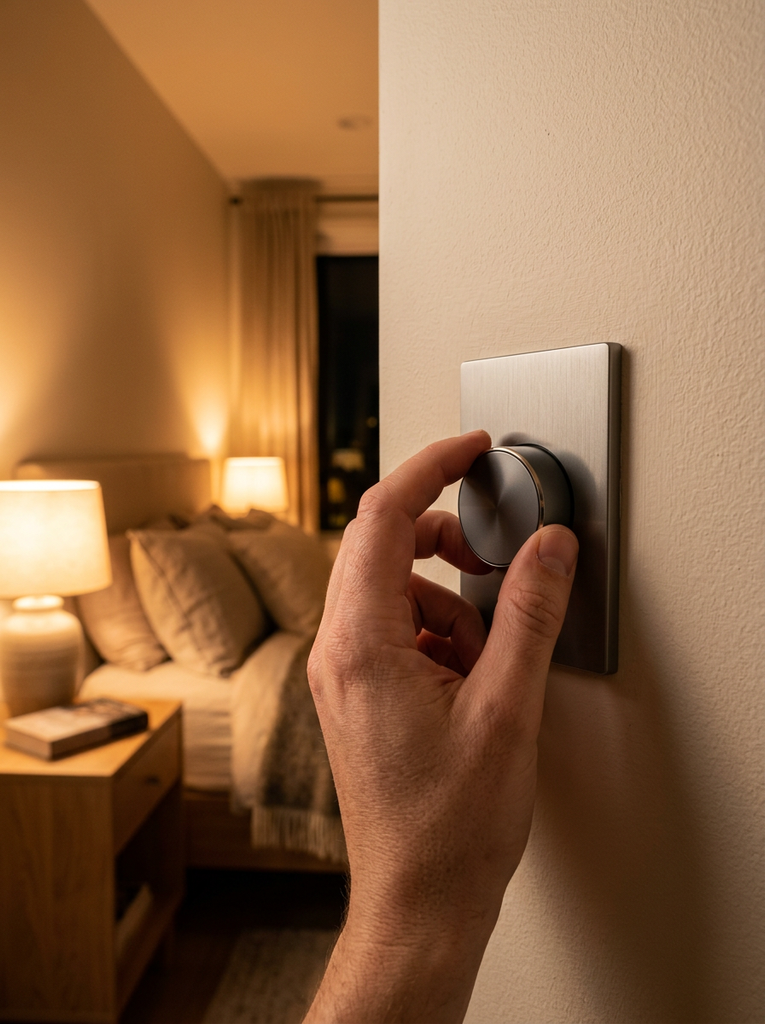
A dimmer switch might be the single best upgrade for bedroom lighting. It lets one fixture serve several purposes, from bright morning light to a barely-there evening glow.
Smart dimmers and app-controlled bulbs take this further, letting you schedule warmer, dimmer light as bedtime approaches. Voice control also means you never have to leave a cozy bed to adjust the lights.
I added a smart dimmer to my main bedroom light last year and now lower it gradually each night. That gentle transition trains your body to associate dimming light with rest.
5. Try LED Strip Lighting
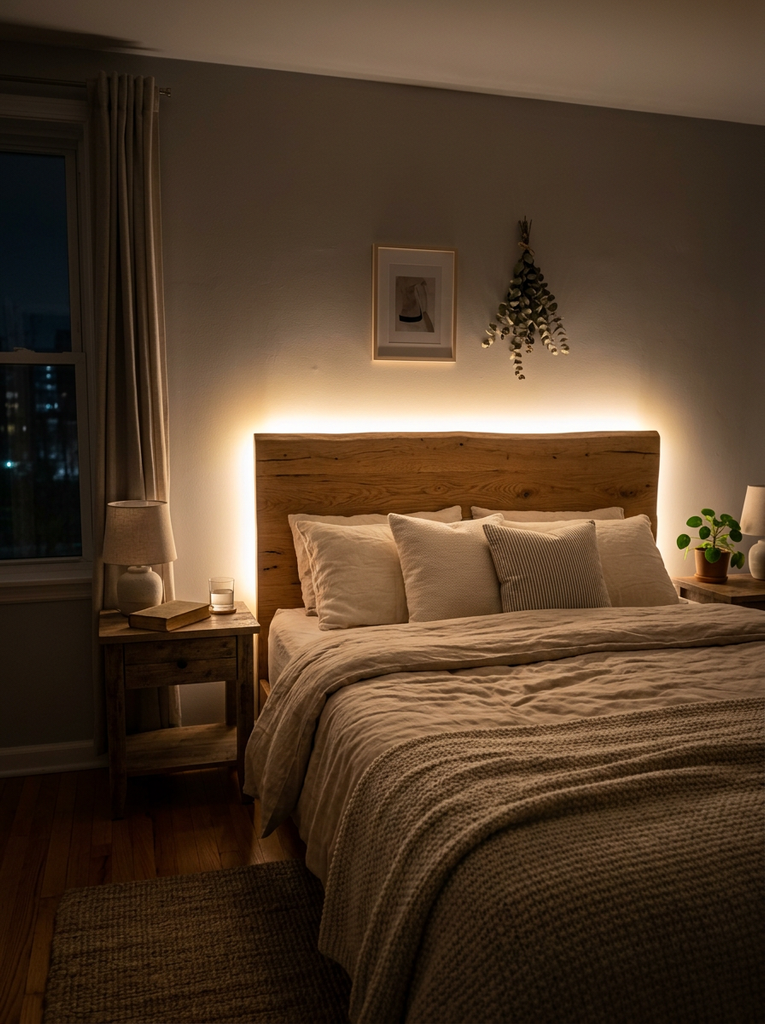
LED strips have become one of the most popular bedroom lighting trends, and for good reason. Placed behind a headboard, under a bed frame, or along a shelf, they create soft, indirect pools of light.
This kind of hidden lighting adds depth to a room without feeling like a harsh light source. It also works well as a subtle night light for anyone who gets up during the night.
I tucked a warm white LED strip behind my headboard, and it now doubles as a backdrop for reading and a gentle glow that is never jarring to turn on at 2 a.m.
6. Use Wall Sconces to Save Space
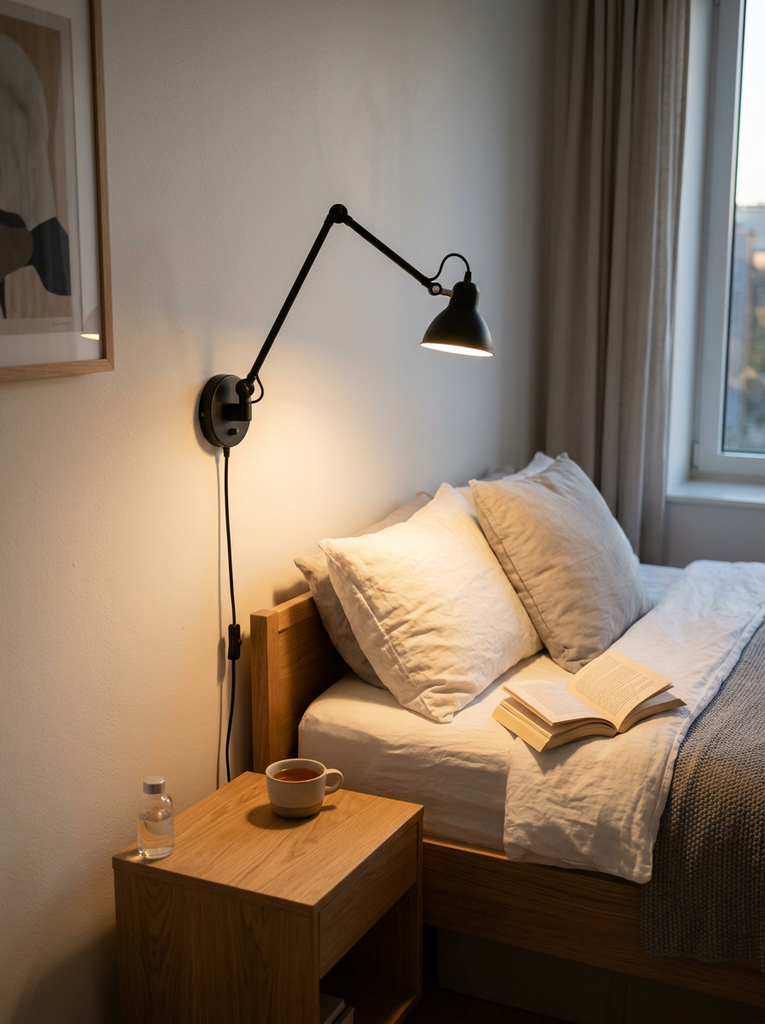
Wall sconces are a great bedroom lighting idea for smaller rooms where a nightstand and lamp are not practical. Mounted above or beside the bed, they free up surface space while still giving you task lighting.
Swing-arm sconces are especially useful since you can angle the light exactly where you need it for reading. They also add a decorative element to an otherwise plain wall.
In my smaller guest room, sconces replaced table lamps entirely. The nightstands stayed clutter free, and the room still had plenty of warm, usable light.
7. Bring in Candlelight or Fairy Lights
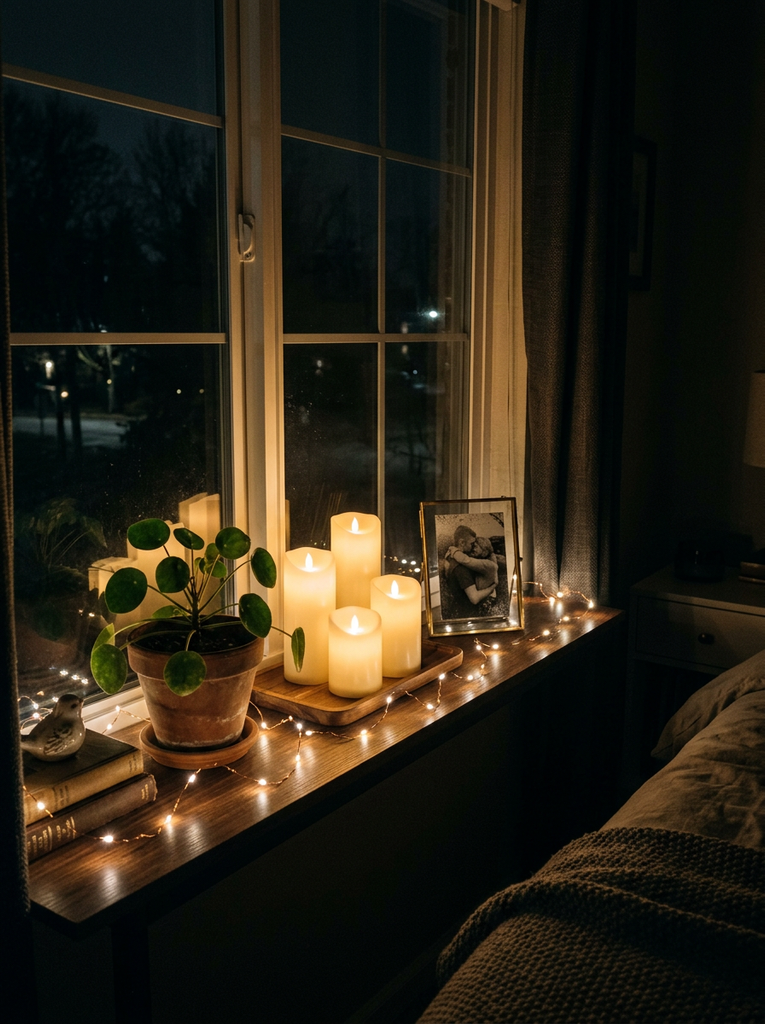
Real flame is not always practical, but candlelight remains one of the coziest light sources for a bedroom. Flameless LED candles offer a similar flicker and warmth without the safety concerns.
Fairy lights or string lights are another easy way to add texture and a soft glow, whether draped along a headboard or tucked inside a glass jar on a shelf. They are inexpensive and instantly change the feel of a room.
I keep a small string of warm fairy lights along my window frame, and it has become one of my favorite little details. It adds just enough glow without competing with the main lighting.
8. Add a Low-Level Night Light
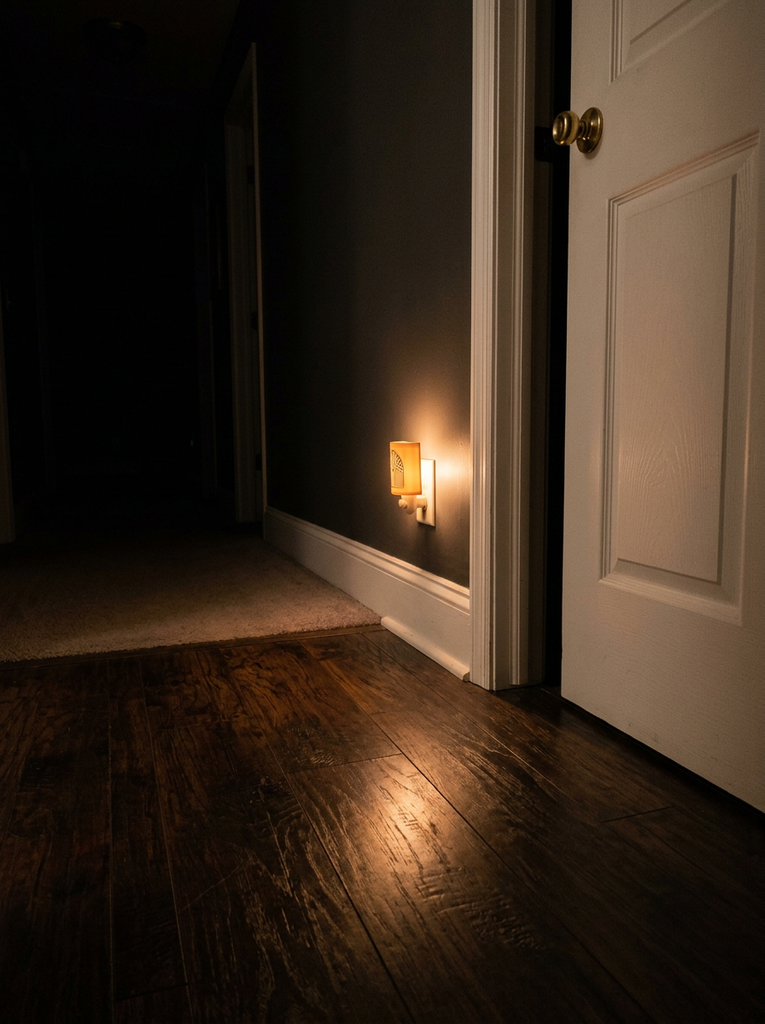
A dedicated night light is easy to overlook, but it makes a real difference for anyone who gets up during the night. A small, amber-toned plug-in light near the door or bathroom keeps you from switching on a harsh overhead light at 3 a.m.
Motion-sensor night lights are especially handy since they turn on only when needed and fade out again on their own. This keeps the room dark for sleep while still offering safety when you move around.
I added a simple amber night light near my bedroom door, and it has completely stopped me from fumbling for a switch in the dark. It is a tiny detail that quietly improves the whole nighttime routine.
How to Choose the Right Bedroom Lighting for Your Space
Not every bedroom needs the same lighting setup. A small studio bedroom might only need a lamp and a dimmer, while a larger master bedroom can handle several layers of light without feeling cluttered.
Start by thinking about how you actually use the room. If you read in bed, prioritize task lighting near the pillow. If you simply want a calm space to relax, ambient and accent light matter more than anything bright or direct.
I always tell people to add lighting gradually rather than all at once. Swap one bulb, add one lamp, test how the room feels, and build from there instead of overhauling everything in a single weekend.
Budget also plays a role in these decisions, and thankfully cozy lighting does not require a big spend. A warm bulb, a secondhand lamp, and a string of fairy lights can transform a room for less than the cost of one new light fixture.
Final Thoughts on Bedroom Lighting Ideas
Creating a cozy and relaxing bedroom comes down to layering warm, soft light instead of relying on one bright overhead fixture. Bedside lamps, dimmer switches, LED strips, and wall sconces each play a different role in shaping the mood.
Small changes make the biggest difference here. Switching to warmer bulbs or adding a simple dimmer can transform how a bedroom feels within a single evening, without any major renovation.
I have tried nearly every idea on this list in my own bedroom, and the combination of warm bulbs, layered lighting, and a good dimmer switch has made the biggest impact on how relaxing the room feels. Start with one or two changes, and let the rest follow as you notice what works for your space.
Frequently Asked Questions
What is the best light temperature for a cozy bedroom?
Warm white bulbs between 2700K and 3000K work best for a relaxing bedroom atmosphere. Cooler tones above 4000K feel closer to office lighting and are better suited for closets or dressing areas.
Should I use one main light or multiple light sources in my bedroom?
Multiple light sources work far better than one overhead fixture. Layering ambient, task, and accent lighting gives you more control over the mood at different times of day.
Are dimmer switches worth adding to a bedroom?
Yes, dimmer switches are one of the most practical upgrades for bedroom lighting. They let a single fixture adjust from bright morning light to a soft evening glow.
Is LED strip lighting good for bedrooms?
LED strips work well behind headboards, under bed frames, or along shelves. They create soft, indirect light that adds depth without feeling harsh.
Do wall sconces work better than table lamps in small bedrooms?
Wall sconces are a great option for smaller rooms since they free up nightstand space while still providing task lighting. They work especially well in guest rooms or compact apartments.
How can I make my bedroom lighting feel warmer without buying new fixtures?
Simply switching to warm white bulbs in your existing fixtures can noticeably warm up a room. Adding a lampshade with a fabric or frosted finish also softens the light.
Is candlelight safe to use as bedroom lighting?
Flameless LED candles offer the same warm glow as real candles without the fire risk. They are a simple way to add cozy, flickering light to a nightstand or shelf.