
Picking the wrong bedroom color can turn a peaceful retreat into a space that just feels off. I have repainted my own bedroom more times than I want to admit, and every mismatch taught me something about how color actually works in a space where you sleep.
The right color scheme does more than look nice in photos. It shapes your mood, affects your sleep quality, and either supports or fights against your existing furniture and decorating style.
In this guide, I will walk you through modern bedroom color palettes for different styles, from minimalist to bohemian to traditional. You will also find practical combinations you can copy directly, whether you are repainting walls or just refreshing your bedding and accents.
1. Why Your Bedroom Color Scheme Matters More Than You Think
Color psychology is not just a marketing buzzword designers throw around. Certain hues genuinely calm your nervous system, while others keep your brain more alert than you want at bedtime.
I learned this the hard way after painting my first apartment bedroom a bright orange because I liked it in the store. It looked energetic during the day, but I struggled to wind down at night for months.
Your bedroom color scheme should match how you actually use the room, not just what looks trendy on Pinterest. A reading nook needs different energy than a room meant purely for sleep, and your decorating style should guide those color choices too.
2. Best Bedroom Colors for a Minimalist Style

Minimalist bedrooms rely on restraint, and your color palette needs to reflect that same discipline. Think soft whites, warm greiges, and muted taupes that create a calm, uncluttered backdrop.
I always tell people that minimalist color schemes are not about being boring. A single accent, like a charcoal headboard or a black metal frame, adds contrast without overwhelming the simplicity.
Layering different shades of the same neutral family, such as ivory walls with oatmeal linens, adds depth without introducing visual noise. This approach keeps the whole room feeling airy and intentional.
3. Best Bedroom Colors for a Bohemian Style

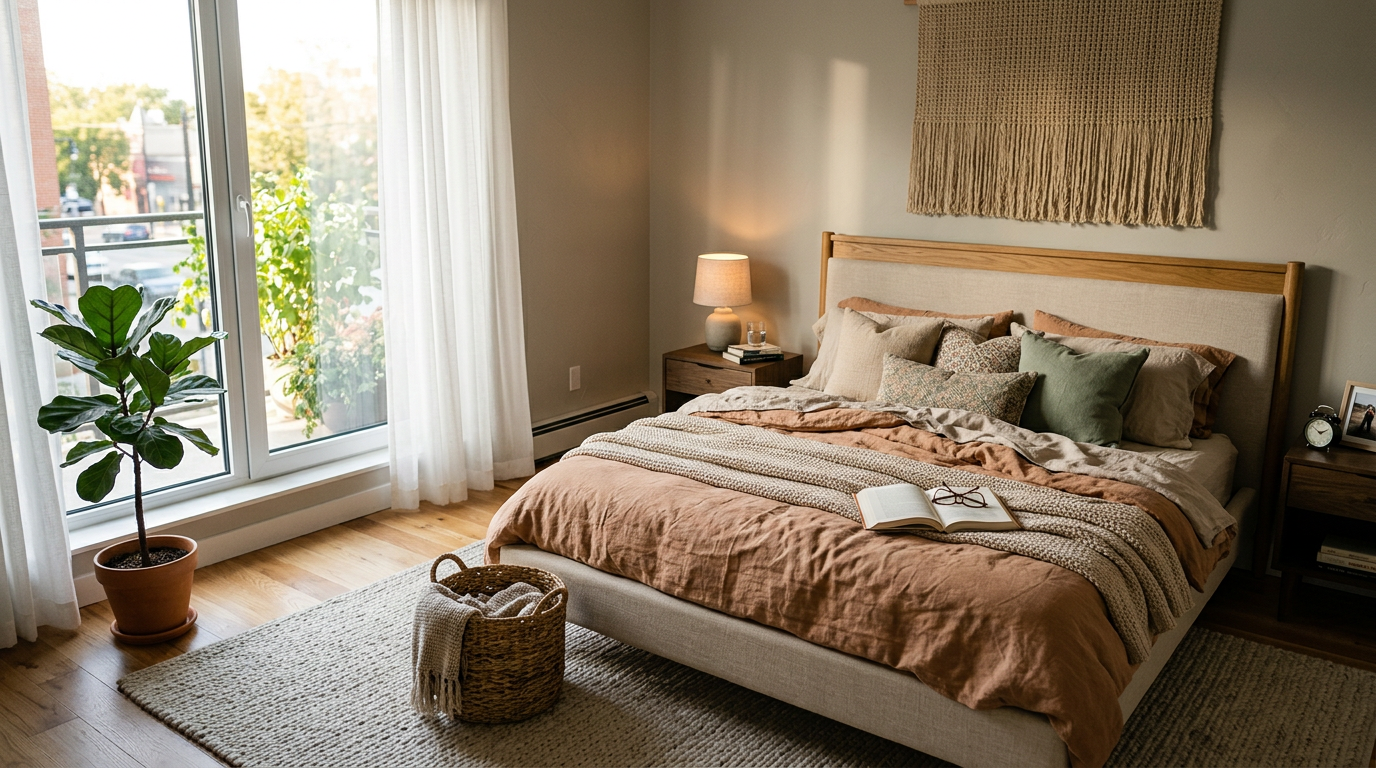
Bohemian bedrooms thrive on warmth, texture, and color combinations that feel collected over time. Terracotta, burnt sienna, and deep mustard work beautifully against natural wood tones and woven textiles.
I love pairing these earthy shades with jewel accents like emerald green or deep plum. It gives the room a lived-in richness without tipping into chaos.
Layering patterns matters just as much as color here. A rust-colored wall paired with mismatched patterned pillows and a vintage rug creates that effortless, well-traveled bohemian feel people chase.
4. Best Bedroom Colors for a Traditional Style
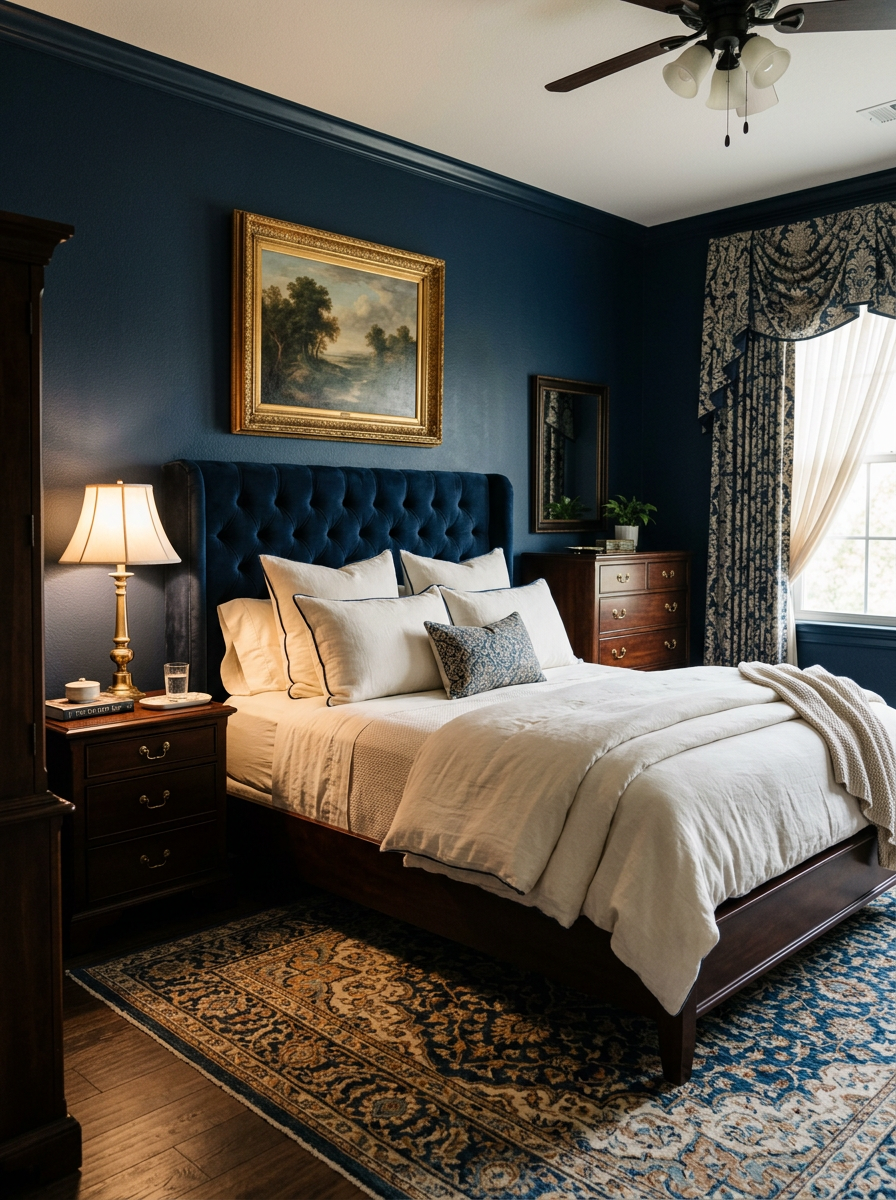
Traditional bedrooms lean on classic, grounded palettes that feel timeless rather than trendy. Navy blue, hunter green, and warm burgundy remain popular choices for walls or upholstered headboards.
These deeper tones pair naturally with rich wood furniture and brass hardware. I find that traditional color schemes photograph best when balanced with a lighter ceiling and crisp white trim.
Adding a soft cream or ivory bedding set keeps the room from feeling too heavy. It creates contrast against those deeper wall colors while still respecting the classic, formal mood traditional style is known for.
5. Best Bedroom Colors for a Scandinavian Style

Scandinavian bedrooms depend on soft, cool neutrals that maximize the feeling of light. Pale gray, soft blue-white, and muted sage are common wall choices in this minimalist Nordic approach.
I always recommend keeping furniture light too, since Scandinavian style relies on a monochromatic base. Pale oak or whitewashed wood keeps everything feeling bright and connected.
A single muted accent color, like dusty rose or soft blue, on one wall or in the bedding adds just enough personality. This keeps the calm, functional Scandinavian mood intact without introducing visual clutter.
6. Best Bedroom Colors for a Coastal Style
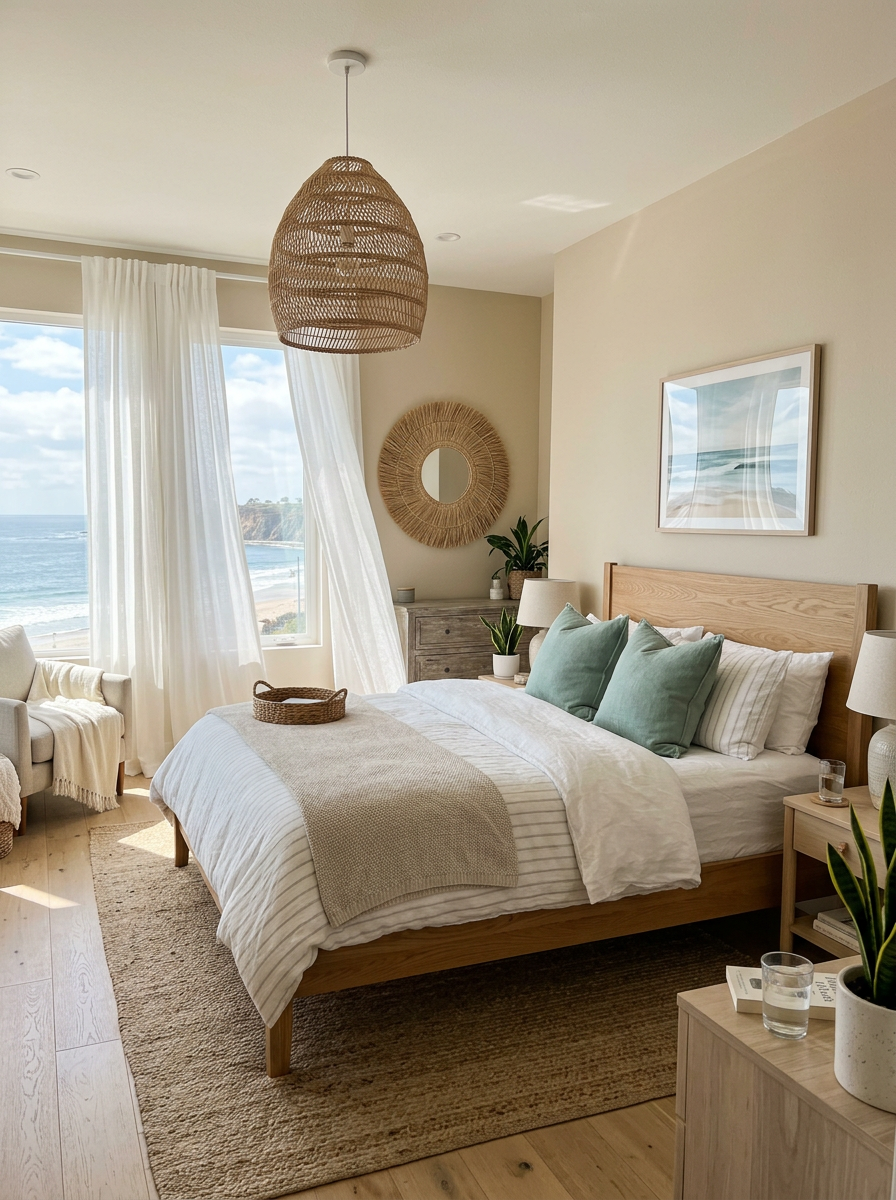
Coastal bedrooms call for colors that mimic sand, sea, and sky. Soft aqua, sandy beige, and crisp white form the foundation of most coastal color palettes.
I have noticed coastal schemes work best when you avoid anything too saturated. A muted seafoam green feels far more authentic than a bright turquoise, which can read more tropical than coastal.
Natural textures like linen, rattan, and light wood pair perfectly with these colors. Together they create that relaxed, breezy atmosphere coastal bedrooms are known for, even in landlocked homes.
7. Popular Modern Bedroom Color Combinations at a Glance

| Style | Primary Colors | Accent Colors |
|---|---|---|
| Minimalist | White, greige, taupe | Charcoal, black |
| Bohemian | Terracotta, mustard | Emerald, plum |
| Traditional | Navy, hunter green | Cream, brass tones |
| Scandinavian | Pale gray, blue-white | Dusty rose, sage |
| Coastal | Sandy beige, white | Aqua, seafoam |
8. Final Thoughts on Choosing Your Bedroom Color Scheme
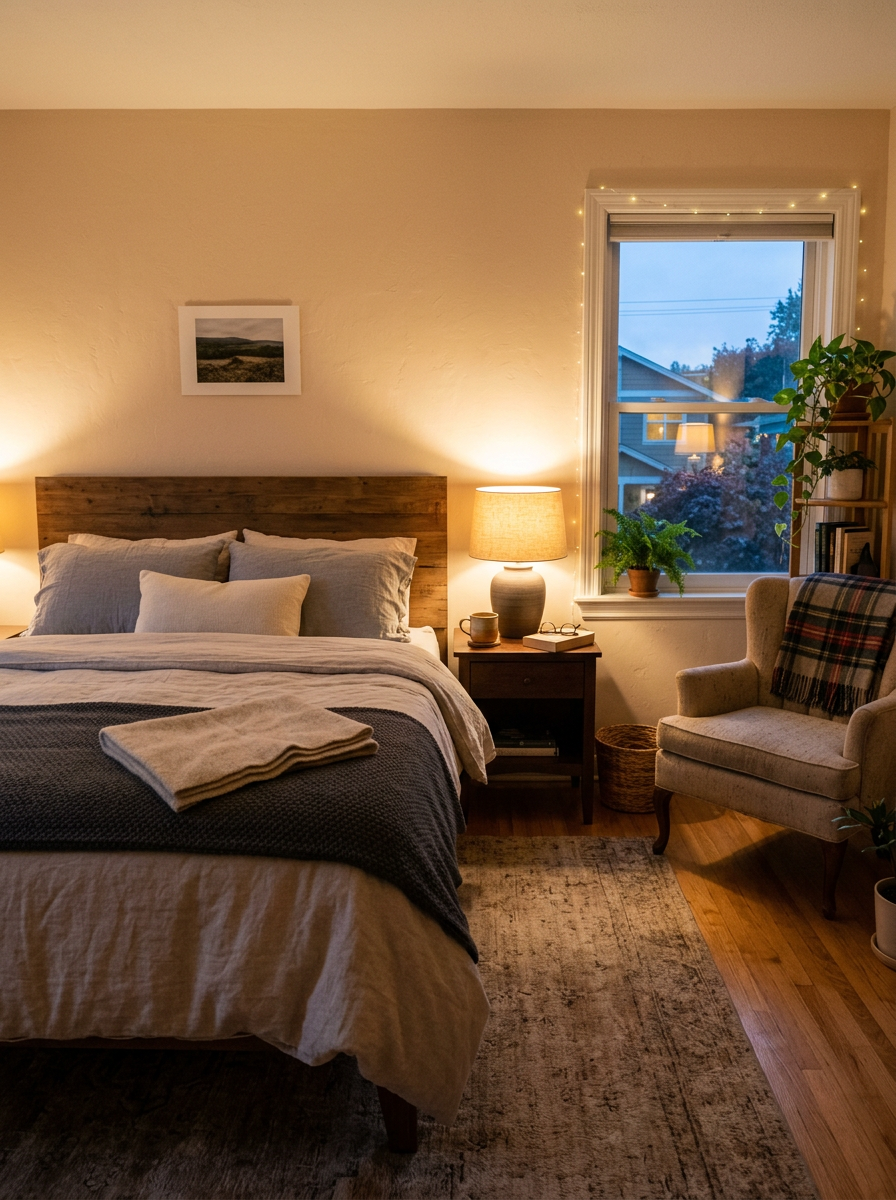
Choosing a bedroom color scheme comes down to matching your palette with the mood and style you actually want to live in. Minimalist calm, bohemian warmth, traditional richness, Scandinavian light, and coastal breeziness all offer distinct paths forward.
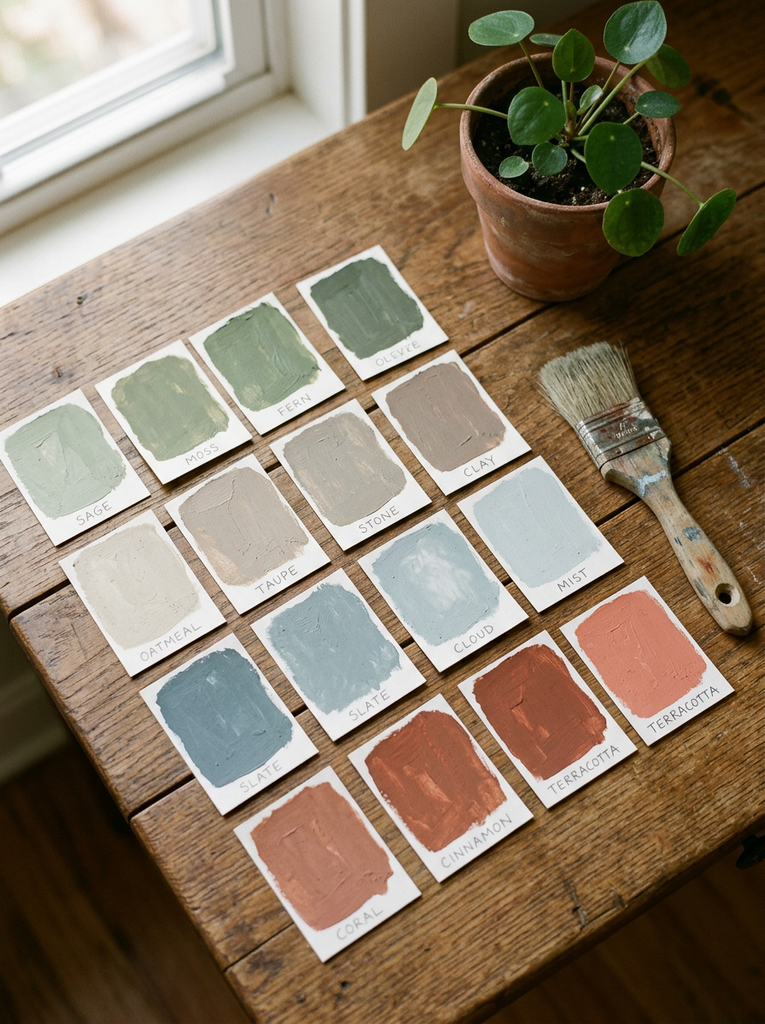
I always encourage testing swatches on your actual walls before committing. Lighting changes everything, and a color that looks perfect online can shift completely once it hits your bedroom at different times of day.
Whatever style you land on, keep your color choices intentional rather than trendy. A bedroom you love waking up in every day is worth the extra thought.
Frequently Asked Questions
What is the most calming color for a bedroom?
Soft blues and muted greens are widely considered the most calming bedroom colors. They lower visual stimulation and support better sleep quality for most people.
Should bedroom walls and ceiling be the same color?
Not always, though it can work well in smaller rooms. A slightly lighter ceiling shade often keeps the room feeling open and prevents it from becoming visually heavy.
Can I mix warm and cool tones in one bedroom?
Yes, mixing warm and cool tones works if you keep one dominant temperature. Use the secondary tone sparingly through accents like pillows, art, or a single accent wall.
What color makes a small bedroom look bigger?
Light neutrals like soft white, pale gray, and warm beige make small bedrooms feel more spacious. Darker colors can still work if balanced with plenty of natural light.
Are dark bedroom colors outdated in 2026?
Dark bedroom colors are not outdated at all. Navy, charcoal, and deep green remain popular when balanced with lighter furniture and enough ambient lighting.
How do I choose a color scheme that matches my furniture?
Start with your largest furniture piece, usually the bed frame, and pull an undertone from it. Build your wall and accent colors around that existing undertone for cohesion.
Do accent walls still work in modern bedrooms?
Accent walls remain a popular way to add personality without overwhelming the whole room. They work especially well in minimalist and traditional bedroom styles.