
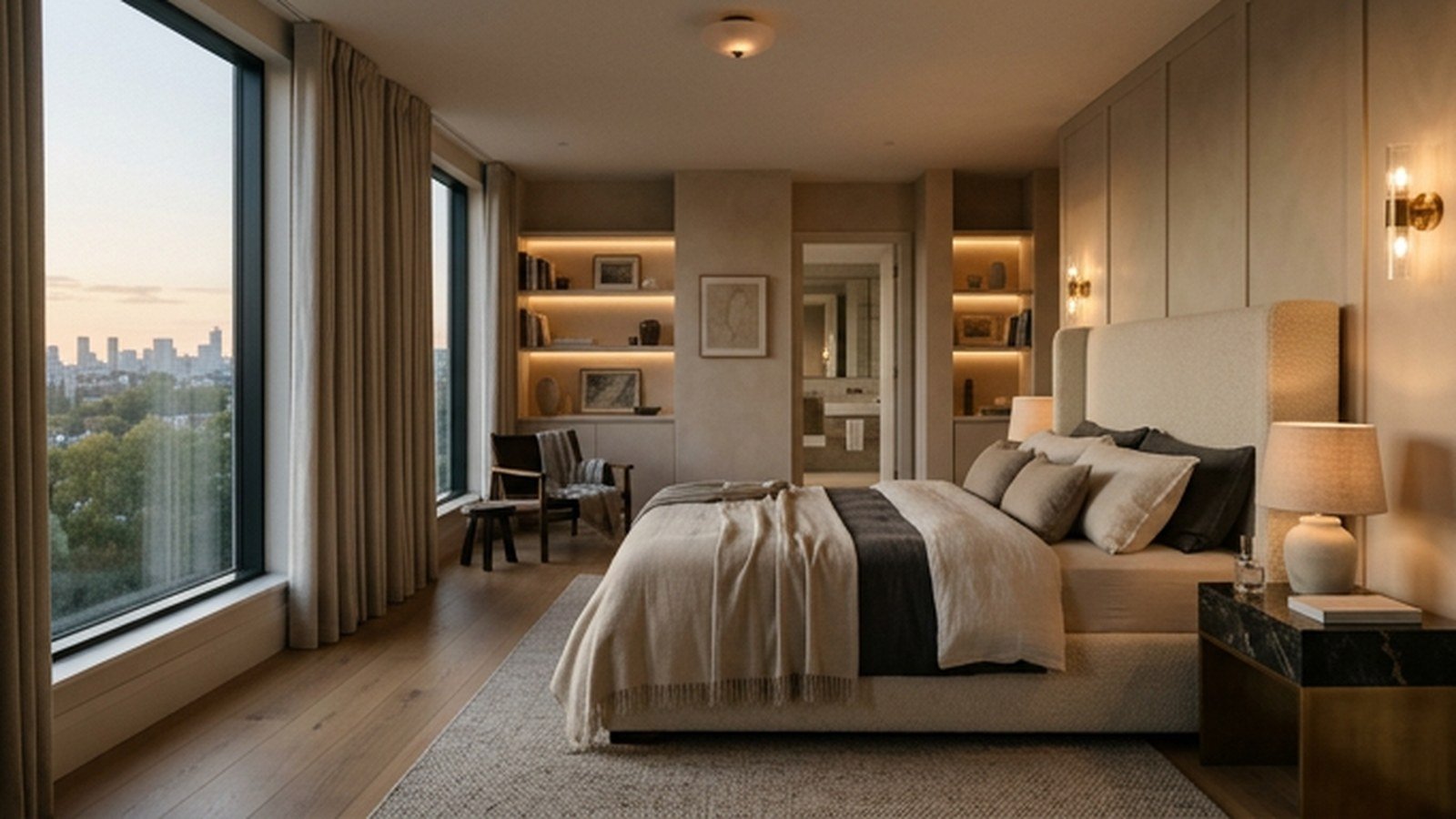
A high end modern luxury bedroom reads as expensive through restraint, not through volume. The style leans on genuinely premium materials, a tight color palette, and a handful of well chosen statement pieces rather than filling the room with ornamentation. I have consulted on four bedroom renovations aiming for this exact look, and the ones that succeeded always spent more on fewer, better things rather than spreading budget thin across many mediocre ones.
This guide covers fifteen specific elements of a high end modern luxury bedroom, what each one actually costs, and where the style choices commonly go wrong. Expect honest notes about material quality, lighting, and the small details that separate a genuinely luxurious room from one that merely looks expensive in photos. By the end you will have a real plan matched to your own space and budget.
Luxury does not require an enormous budget for every single element, and a room built entirely from expensive pieces without any editing can still look cluttered rather than refined. I will flag where a more modest choice still achieves a genuinely high end result throughout this guide. The best luxury bedrooms balance real investment with real restraint.
Why Modern Luxury Bedrooms Rely On Restraint
A modern luxury bedroom reads as expensive largely because of what it leaves out, not what it includes, since a tightly edited room lets each remaining element carry more visual weight. This principle is why a room with three or four excellent pieces consistently outperforms one crowded with a dozen decent ones. Few design lessons matter more for this specific style than genuine editing discipline.
The style also relies on tactile quality over visual complexity, since a smooth, well finished surface photographs simply but feels genuinely luxurious in person in a way a busy pattern rarely achieves. This is why fabric weight, material finish, and construction quality matter more in this style than in almost any other bedroom aesthetic. Few people notice these details consciously, but they feel the difference immediately upon entering the room.
The table below compares a high end modern luxury bedroom against a maximalist and a budget conscious approach on the factors that matter most for this specific style. None of the three is objectively better, since the right pick depends on your own taste and budget. Use it as a starting point before reading the planning section that follows.
| Factor | Modern luxury | Maximalist | Budget conscious |
|---|---|---|---|
| Number of statement pieces | Few, high quality | Many, varied quality | Few, moderate quality |
| Typical cost | High | Moderate to high | Low to moderate |
| Visual complexity | Low, restrained | High, layered | Low, simple |
Planning A High End Bedroom Before You Buy
Identify the two or three elements that will carry the most visual weight in your specific room, typically the bed, the lighting, and one statement material, before spending on smaller accents. A luxury bedroom built around a genuine hierarchy of investment reads as more intentional than one where every element competes equally for attention. I recommend choosing your bed and primary lighting first, since these anchor everything else in the room.
Consider your room’s actual natural light and existing architectural features before committing to a color palette, since a luxury palette that photographs beautifully online can read differently in your specific room’s actual light conditions. Bring fabric and paint samples into the room at different times of day before finalizing larger purchases. This upfront testing prevents an expensive mismatch once furniture arrives.
Set a realistic budget that prioritizes the bed and primary materials over smaller decorative accents, since these foundational elements do the most work in establishing the room’s overall luxury feel. Both a more generous and a more modest budget can achieve genuine high end character if the spending is prioritized correctly. The elements below are ordered roughly from foundational investments to smaller finishing touches.
1. Upholstered Platform Bed With A Substantial Headboard
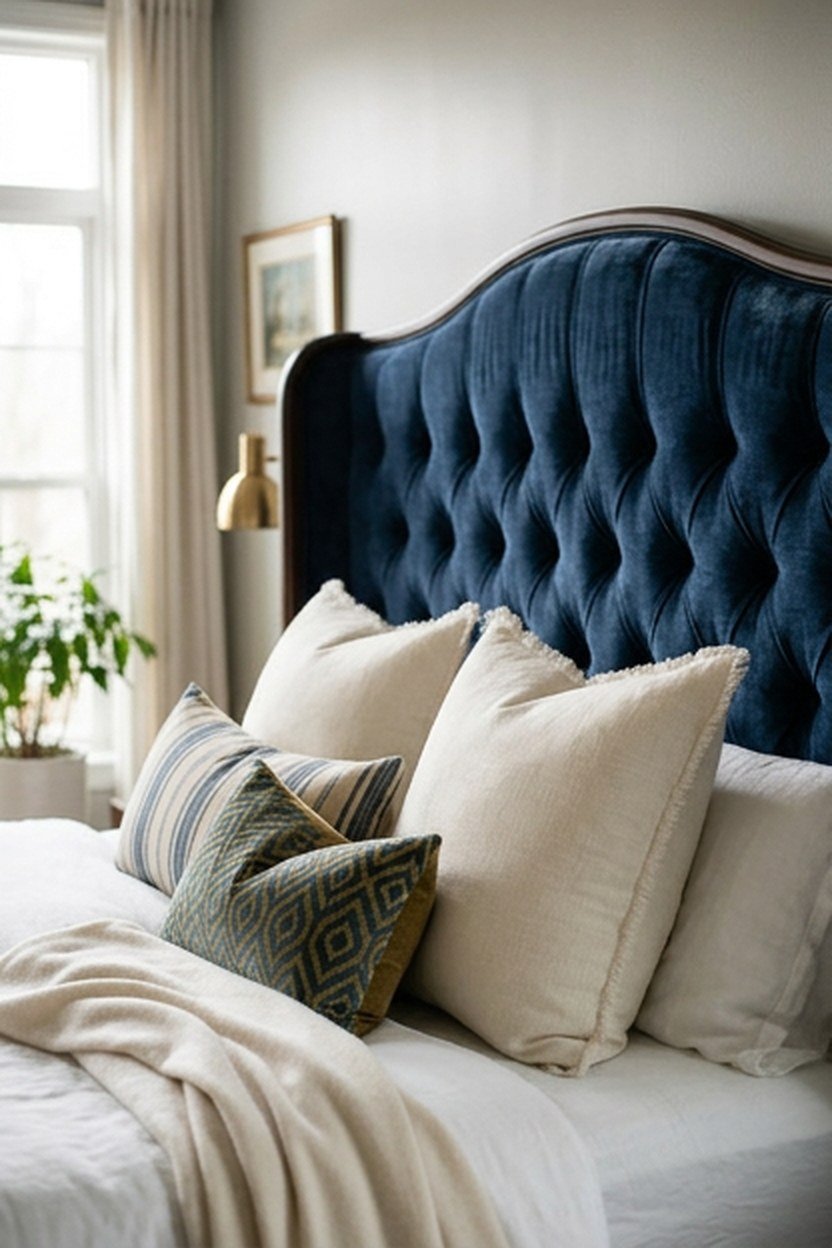
An upholstered platform bed with a substantial, tall headboard is the single most defining element a luxury bedroom can have, since the bed anchors the room both visually and functionally. Expect to pay 1200 to 3000 dollars for a quality upholstered bed frame, depending on size and the specific fabric chosen. This is usually the largest single investment in the room and worth prioritizing over smaller pieces.
Choose a genuinely substantial headboard height, typically reaching well above where pillows sit, rather than a modest headboard that gets visually lost against the wall behind it. A headboard this size becomes the room’s natural focal point, so the fabric and construction quality matter considerably. Ask about the specific foam density and frame construction rather than judging purely by the fabric’s appearance.
The upholstery fabric, if a genuine velvet or boucle, will develop a soft natural sheen change across the most contacted areas from years of regular use and handling. This gradual textured change in the fabric’s original finish is normal for quality upholstery under sustained use and does not affect its structural support. Professional cleaning every year or two maintains the fabric’s appearance despite this natural aging.
Choosing Headboard Fabric For Long Term Durability
Choose a performance fabric rated for durability specifically if the bed will see heavy daily use, since some luxurious looking fabrics prioritize hand feel over long term wear resistance. Ask your supplier directly about abrasion ratings if durability is a genuine concern for your household. This distinction matters more for a piece expected to last many years than for a purely decorative accent.
Request a fabric swatch at actual scale before committing to a full headboard order, since color and texture can read differently on a large upholstered surface than on a small sample card. Hold the swatch up against your actual wall and existing furniture before deciding. This small check prevents an expensive mismatch once the full headboard arrives.
2. Layered Ambient And Task Lighting
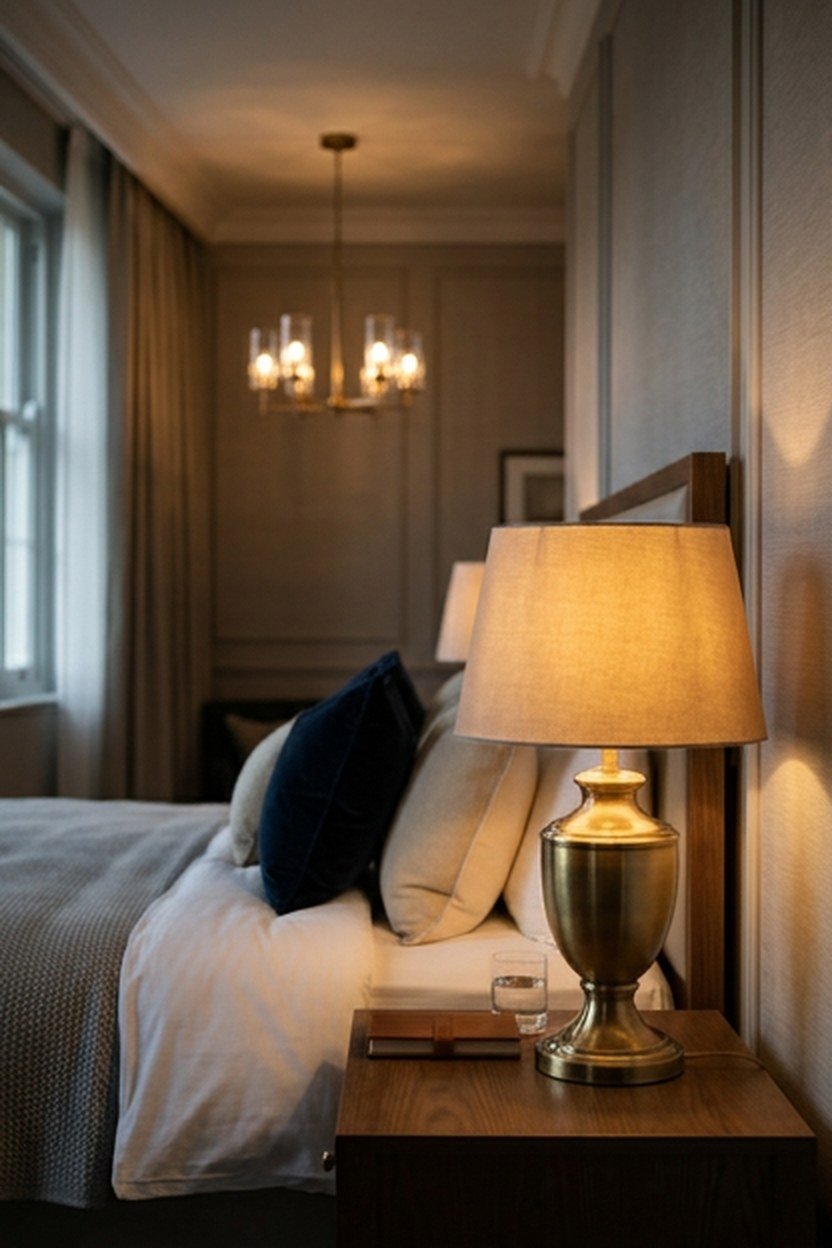
A layered lighting scheme combining ambient ceiling light, task lighting at the bedside, and accent lighting on architectural features creates the depth and mood that a single overhead fixture alone cannot achieve. Expect to pay 400 to 1200 dollars total for a complete layered lighting scheme across a standard bedroom. This investment does more to establish a luxurious atmosphere than almost any single furniture piece.
Position dimmable fixtures throughout the room rather than fixed brightness lighting, since the ability to adjust light levels for different times of day and moods is a defining feature of genuinely high end bedroom lighting. A dimmer switch costs relatively little to add during installation but transforms how flexible and luxurious the room feels day to day. This small addition is worth prioritizing even on a tighter lighting budget.
The lighting fixtures, if a brushed brass or bronze finish, will develop a soft natural sheen change over years of regular use and ambient humidity exposure. This gradual textured change in the metal’s original finish is expected for unlacquered brass and bronze specifically and many people choose these finishes anticipating this natural aging. A lacquered finish resists this change if you prefer more visual consistency over time.
Layering Light Sources For Maximum Flexibility
Combine at least three distinct light sources, an overhead or cove light, bedside task lighting, and one accent fixture highlighting art or an architectural feature, for a genuinely flexible lighting scheme. Fewer sources tend to feel flat regardless of how high quality the individual fixtures are. This layering principle matters more to the room’s actual atmosphere than any single fixture’s specific style.
Install all bedroom lighting on separate switches or a smart lighting system rather than one single central switch, since the ability to control each layer independently is what makes a layered scheme genuinely useful day to day. Discuss this wiring plan with your electrician before installation begins. This small upfront planning step avoids a costly rewiring project later.
3. Genuine Marble Or Marble Look Nightstands
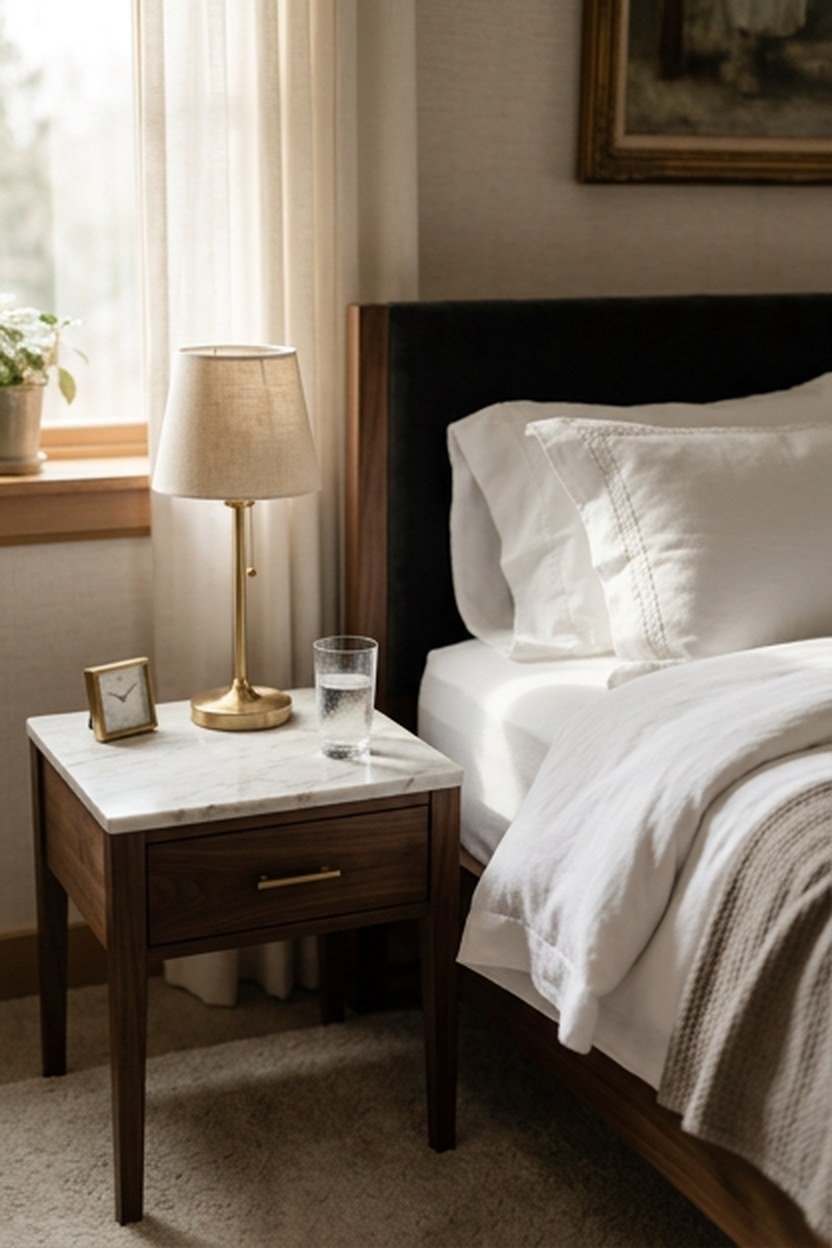
Nightstands with a genuine marble or a convincing marble look top bring a cool, substantial material contrast against warmer upholstered and wood elements elsewhere in the room. Expect to pay 300 to 800 dollars per nightstand depending on whether the top is genuine marble or a quality alternative. This detail is a relatively affordable way to introduce genuine material luxury into the room.
Choose a nightstand height that aligns comfortably with your mattress height, typically within a couple inches either direction, for both practical reach and visual proportion. A significantly mismatched height disrupts the room’s visual line even if each individual piece is beautiful on its own. Measure your specific bed height before finalizing nightstand selection.
The marble surface, if genuine, will develop a light natural veining pattern becoming more visible as the stone interacts with regular use and occasional liquid contact over time. This gradual textured change is a normal characteristic of natural marble and many people consider it an attractive sign of the material’s authentic character. A quality marble look alternative shows less of this specific change since it lacks marble’s natural porous structure.
Sealing Genuine Marble Nightstands
Seal a genuine marble nightstand top with a quality stone sealant, since bedside surfaces regularly contact water glasses, lotion, and other liquids that can etch or stain unsealed marble over time. Reapply this sealant on a schedule recommended by your specific product, typically every six months to a year. This maintenance step protects the investment in genuine marble considerably.
Use coasters for any beverage placed on a marble nightstand consistently, since even sealed marble benefits from this extra layer of protection against prolonged moisture contact. Keep a small stack of coasters in the nightstand drawer for easy access. This small habit protects the surface for many years of daily use.
4. Floor To Ceiling Drapery In A Luxe Fabric
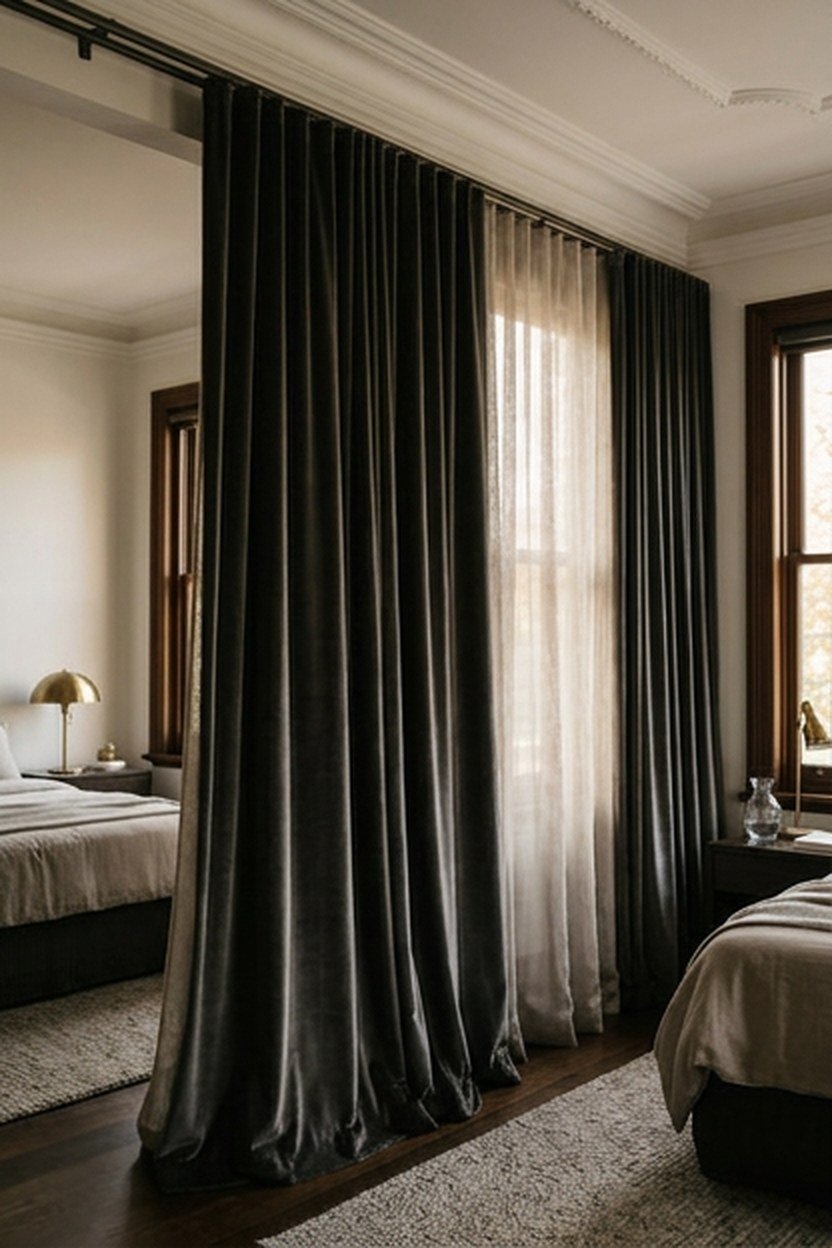
Floor to ceiling drapery in a substantial, high quality fabric transforms a bedroom’s windows from a functional necessity into a genuine design statement. Expect to pay 200 to 500 dollars per window for quality drapery panels in a luxe fabric like velvet or a heavy linen blend. Mounting the rod close to the ceiling rather than just above the window frame makes the room feel considerably taller.
Choose a fabric with genuine weight and drape, since a lightweight or sheer fabric alone cannot achieve the substantial, luxurious look this element aims for. Layer a sheer panel behind a heavier drapery panel if you want both privacy control and the visual weight of a substantial fabric. This layered approach also allows more flexible light control throughout the day.
The drapery fabric will develop a soft natural sheen change along the folds where the fabric hangs and moves regularly, this gradual textured change appearing at the natural fold lines over years of use. This is a normal characteristic of quality drapery fabric under sustained use and adds to rather than detracts from the fabric’s luxurious drape. Professional cleaning maintains the fabric’s appearance despite this natural change.
Mounting Height For Maximum Ceiling Impact
Mount drapery rods as close to the ceiling as your specific window and wall allow, since this height creates the illusion of a taller room regardless of the window’s actual size. Measure your ceiling height and window placement carefully before ordering rod hardware, since a mismatched mounting height undermines this visual benefit considerably. This single detail affects the room’s perceived proportions more than almost any other window treatment decision.
Choose drapery panels slightly longer than the floor to create a gentle break or puddle at the bottom, a styling choice that reads as more luxurious than panels that stop precisely at floor level. Order an extra inch or two of length specifically for this effect. Most premium drapery installations use this detail deliberately.
5. A Genuine Area Rug Layered Under The Bed
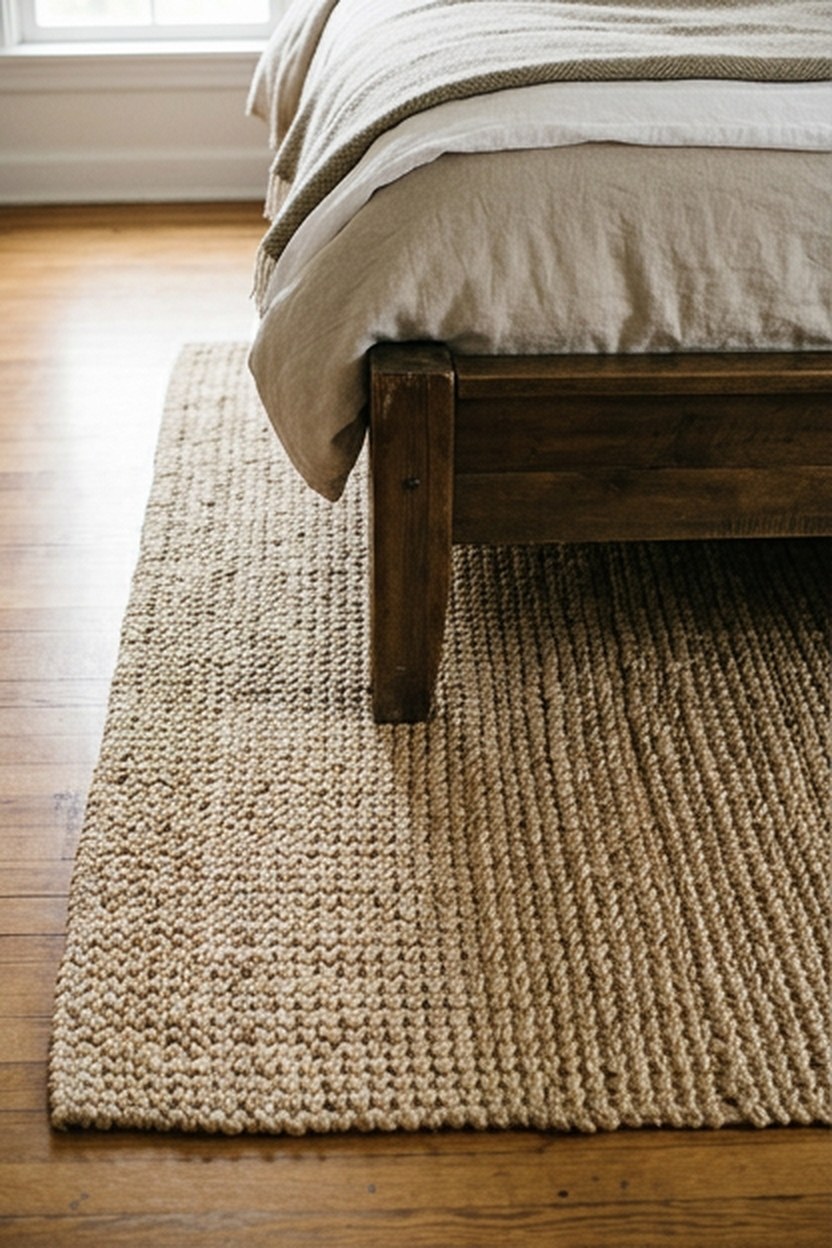
A substantial area rug positioned so the bed’s front two thirds rest on it anchors the sleeping area and adds genuine warmth underfoot that a hard floor alone cannot provide. Expect to pay 400 to 1200 dollars for a quality rug sized appropriately for a standard bedroom. This single addition often makes a bedroom feel considerably more finished and intentional.
Size the rug so it extends at least eighteen to twenty four inches beyond each side of the bed, a common styling guideline that keeps the rug from looking undersized relative to the bed’s own footprint. Measure your bed’s exact dimensions before ordering a rug size, since an undersized rug is one of the most common and most visually deflating mistakes in bedroom styling. This detail matters more to the finished look than most people initially realize.
The rug’s fibers will develop a soft natural fiber texture becoming more pronounced as the material settles and the pile compresses slightly with regular foot traffic. This gradual textured change is completely normal for quality area rugs under sustained use and does not indicate a defect. Rotating the rug periodically evens out this wear across the full surface.
Choosing Rug Pile Height For A Bedroom
A higher pile rug feels more luxurious underfoot but shows vacuum lines and footprints more visibly than a lower pile option. Consider your own tolerance for this visible texture change against the plush feel a higher pile provides. Both options achieve a genuinely luxurious result, so this choice comes down to personal preference for maintenance versus feel.
Choose a rug pad specifically rated for your rug’s pile height and your floor type, since an improperly matched pad can affect how the rug feels underfoot and how well it stays in place. Ask your rug supplier directly for a pad recommendation matched to your specific purchase. This small addition protects both the rug and the floor beneath it.
6. Wall Paneling Or Textured Wall Treatment Behind The Bed
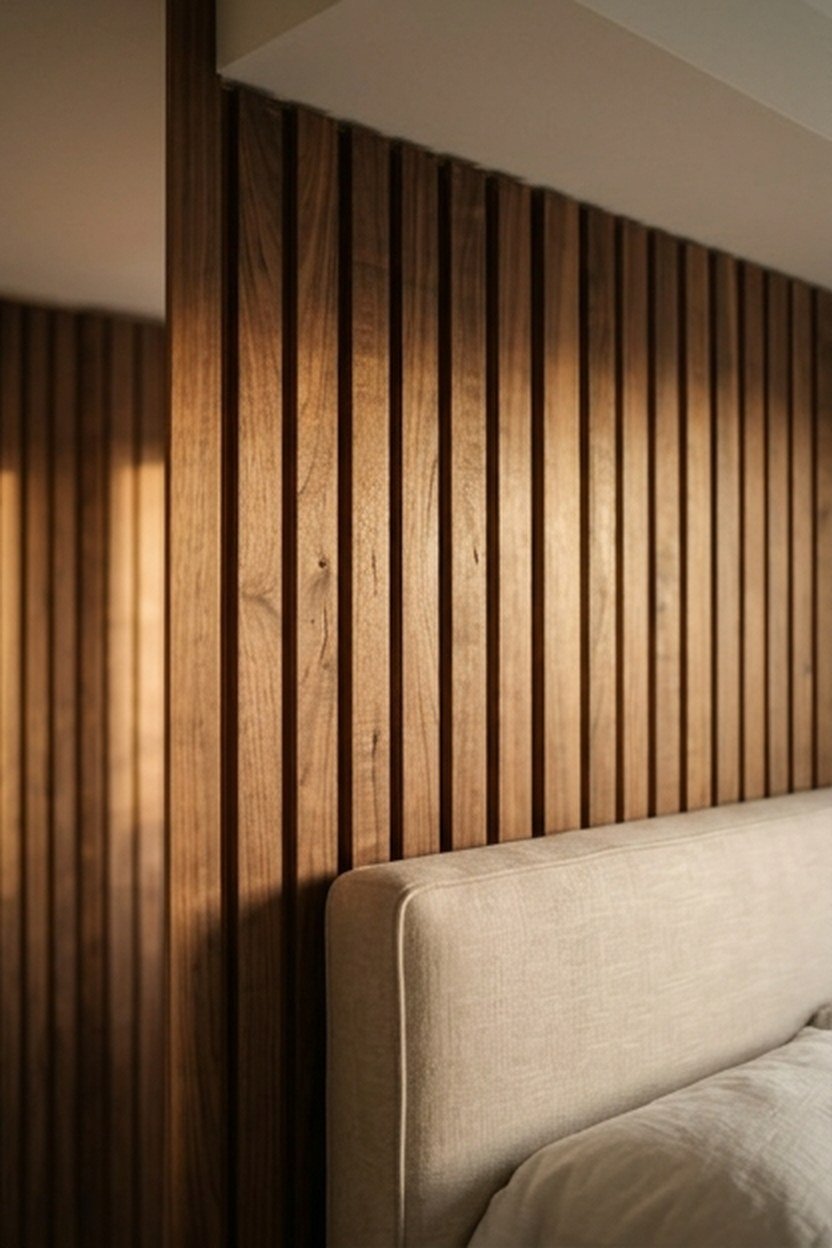
Wall paneling, whether wood slat, upholstered panels, or a textured plaster treatment, behind the bed creates genuine architectural depth that a flat painted wall cannot achieve. Expect to pay 500 to 1500 dollars for a quality accent wall treatment covering a standard headboard wall. This single feature often becomes the room’s second major focal point after the bed itself.
Choose a treatment that coordinates with, rather than competes against, your headboard’s own material and color, since two competing textural statements on the same wall can look busy rather than intentionally layered. A wood slat wall pairs particularly well with an upholstered headboard, while a textured plaster wall suits a more minimal bed frame. This coordination matters more to the finished look than either element’s individual quality.
The wall treatment’s surface, whether wood or plaster, will develop a visible natural grain pattern or a soft natural texture becoming more pronounced as the material settles over years in a stable indoor environment. This gradual textured change is a normal characteristic of these materials and adds to rather than detracts from the room’s sense of established, considered design. Regular dusting keeps the treatment looking its best.
Lighting A Textured Accent Wall Correctly
Position accent lighting to graze across a textured wall treatment at an angle, since this lighting technique emphasizes the material’s depth and shadow play far more effectively than direct, flat lighting would. A simple wall washer or a pair of picture lights achieves this effect without needing extensive electrical work. This lighting detail matters more to how impressive a textured wall reads than the material choice itself.
Test your planned lighting angle with a temporary lamp before committing to permanent fixture placement, since the ideal angle depends on your specific wall texture and can be difficult to predict without seeing it in person. Move the lamp through a few angles and photograph the results for comparison. This quick test saves an expensive fixture repositioning later.
7. A Statement Chandelier Or Sculptural Pendant
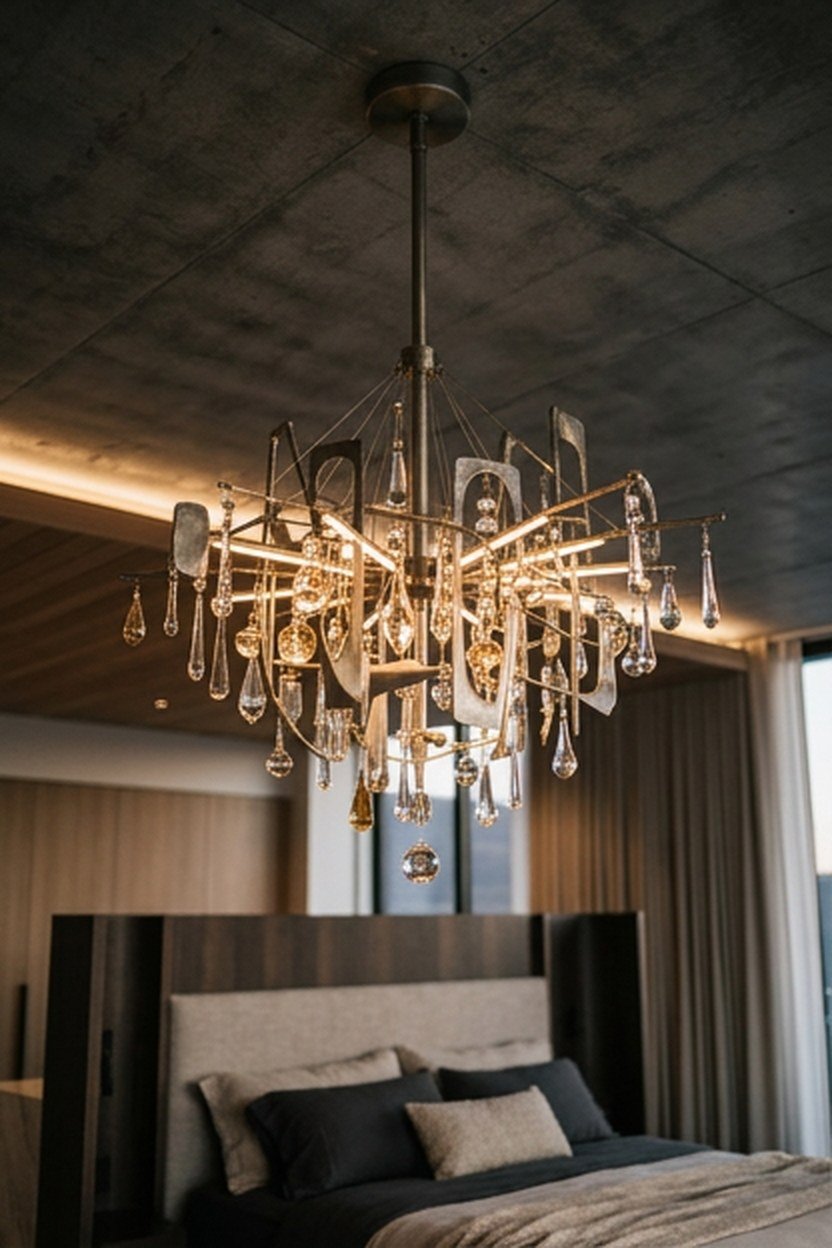
A statement chandelier or a sculptural pendant light hanging above the room, rather than a standard flush mount ceiling fixture, signals genuine investment in the space immediately upon entry. Expect to pay 400 to 1500 dollars for a quality statement fixture sized appropriately for a bedroom ceiling. This single fixture often does more to establish the room’s luxury tone than any other single element.
Size the fixture to your room’s actual ceiling height and floor area, since an undersized fixture looks lost in a larger room while an oversized one can feel overwhelming in a more modest space. A general guideline suggests adding your room’s length and width in feet, then converting that sum to inches for an appropriate fixture diameter. Confirm this sizing against your specific room before ordering.
The fixture’s metal or glass elements will develop their own gradual aging characteristics depending on material, metal finishes showing a soft natural sheen change while glass elements typically show minimal visible change over time. This divergence between materials on the same fixture is a normal characteristic of mixed material lighting and adds visual interest as the piece ages. Regular gentle dusting keeps the fixture looking its best regardless of material.
Hanging Height For A Bedroom Statement Fixture
Hang a statement fixture with enough clearance to avoid interfering with standing or walking beneath it, typically maintaining at least seven feet of clearance from the floor in a walkway area. Confirm your specific ceiling height allows this clearance before ordering a fixture with a fixed drop length that cannot be shortened. This practical safety consideration matters as much as the fixture’s visual impact.
Consider a fixture with an adjustable chain or cable length specifically if your ceiling height is on the lower side, since this flexibility lets you fine tune the exact hanging height after installation. Ask about this feature specifically when shopping for a statement fixture. This small spec detail avoids committing to a fixed height that later feels wrong.
8. A Dedicated Reading Nook Or Chaise
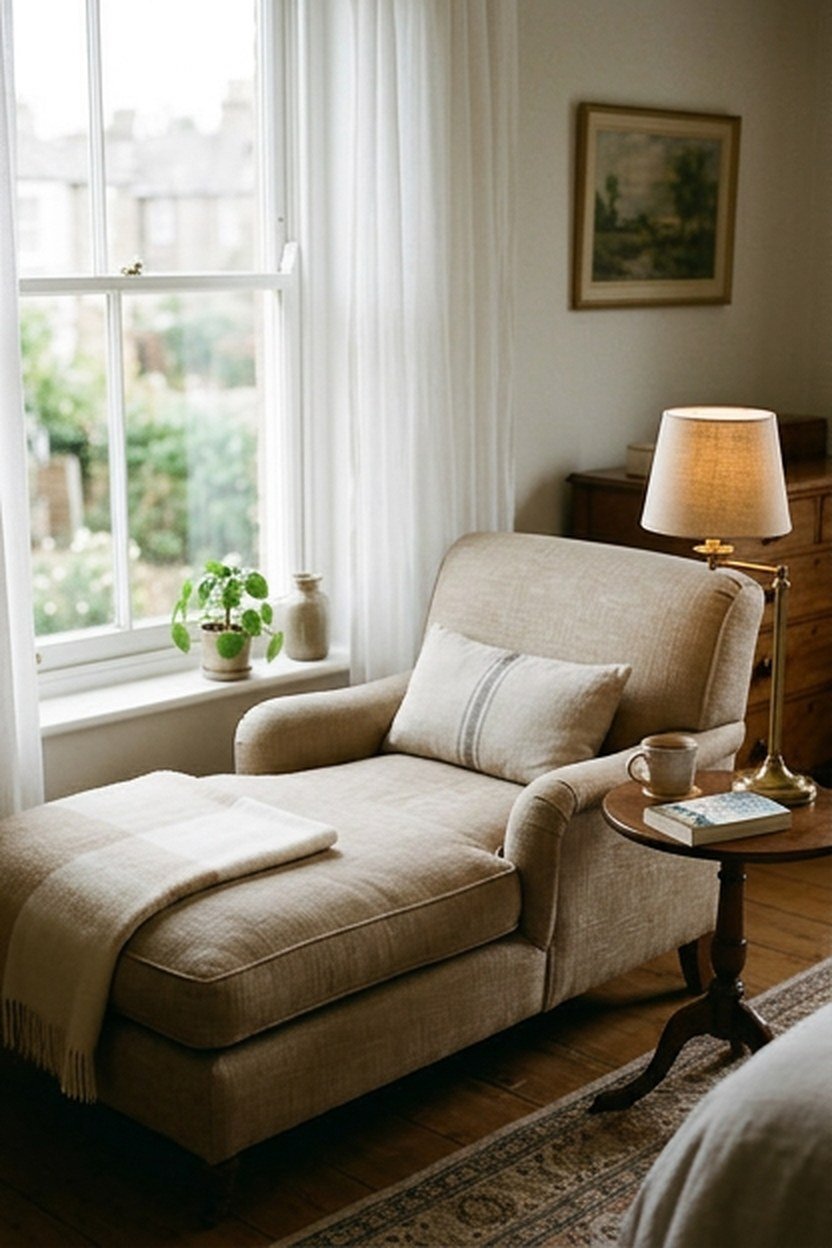
A dedicated reading nook featuring a comfortable chaise or an accent chair with its own small side table creates a secondary functional zone within the bedroom that suits a genuinely luxurious, spacious feeling room. Expect to pay 800 to 2000 dollars for a quality chaise or accent chair suited to this purpose. This addition works best in a bedroom with enough square footage to accommodate a zone beyond just the bed itself.
Position this seating area to take advantage of natural light from a window if possible, since a reading nook benefits enormously from good daylight beyond just artificial lighting. Add a small side table and a dedicated reading lamp specifically for this zone, since these functional details are what make the space genuinely usable rather than purely decorative. This small investment in function matters as much as the seating’s style.
The chaise or chair’s upholstery will develop a soft natural sheen change across the most sat upon areas from years of regular use, this contact point aging at a visibly different rate than less used areas of the same piece. This gradual textured change is normal for quality upholstery under sustained use and does not affect its structural comfort or support. Professional cleaning maintains the fabric’s appearance despite this natural aging pattern.
Sizing A Reading Nook For Your Available Space
Measure your room’s available floor space honestly before committing to a reading nook, since this feature only works well when it has genuine breathing room rather than crowding an already tight bedroom layout. A chaise or chair that blocks natural traffic paths through the room creates daily friction regardless of how luxurious it looks. Confirm adequate clearance before finalizing this addition.
Consider a smaller accent chair rather than a full chaise if your available space is more limited, since a well chosen smaller piece still achieves the reading nook concept without overwhelming a modest room. Measure the available corner carefully before choosing between the two options. A well proportioned smaller chair often reads as more intentional than an oversized chaise crammed into a tight space.
9. Custom Closet Or Wardrobe System
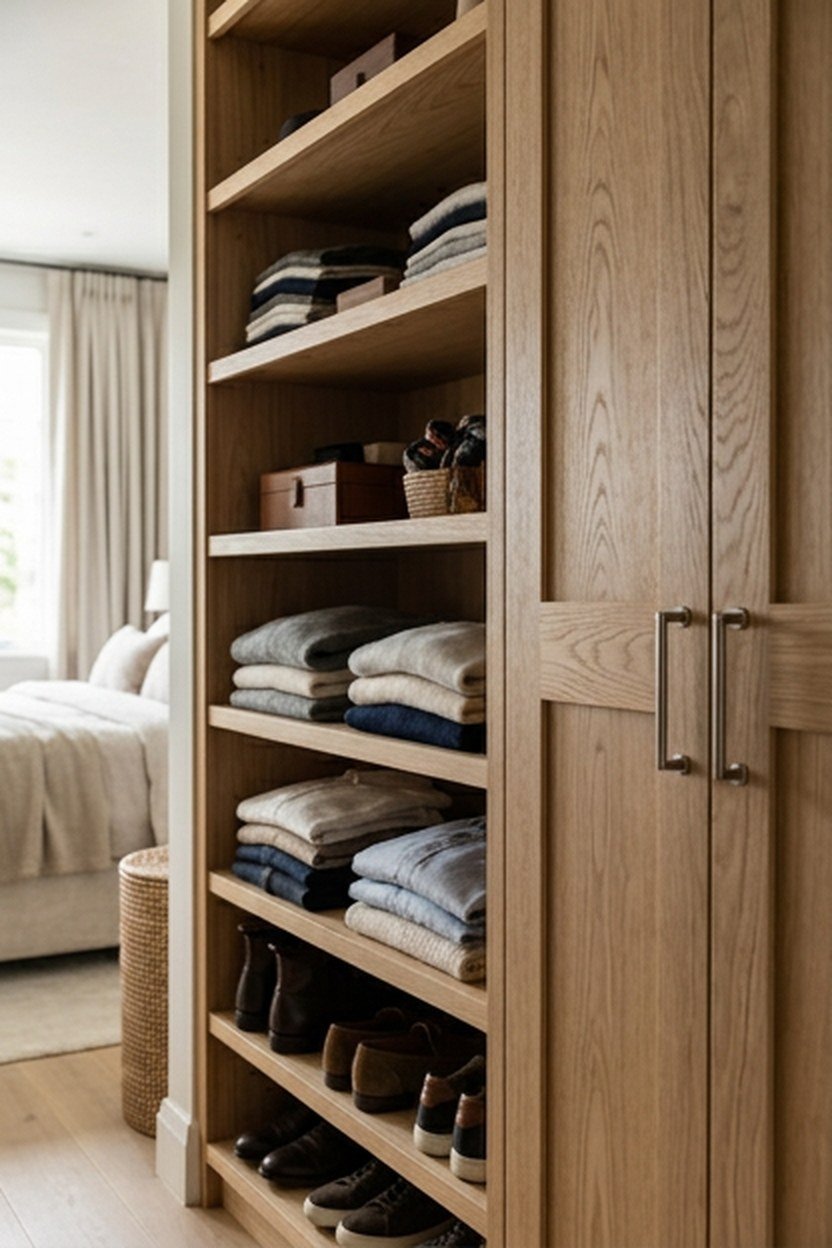
A custom closet or wardrobe system with organized, purpose built storage brings genuine luxury to a bedroom’s often overlooked functional side. Expect to pay 1500 to 4000 dollars for a quality custom closet system depending on size and material finishes. This investment pays off daily in a way that purely decorative elements cannot match.
Choose finishes and hardware that coordinate with the rest of your bedroom’s material palette, since a custom closet visible through an open door becomes part of the room’s overall visual story rather than a separate hidden space. Matching wood tones or hardware finishes between the closet and the main room creates a more cohesive luxury feel throughout. This coordination matters more if your closet door stays open regularly.
The closet’s wood or laminate surfaces will show a visible natural grain pattern or a soft matte texture developing at handle areas and shelf edges from years of daily use. This gradual textured change is a normal characteristic of closet systems under sustained daily handling and does not affect their structural function. Quality hardware and hinges continue operating smoothly despite this cosmetic surface change.
Planning Closet Layout For Your Actual Wardrobe
Inventory your actual wardrobe honestly before finalizing a custom closet layout, counting hanging items, folded items, and any specialty storage needs like shoes or accessories. A closet designed around an aspirational wardrobe rather than your real one wastes money on features you will not actually use. This honest assessment matters more to the system’s daily usefulness than any specific finish choice.
Include adjustable elements within the custom system where possible, since a wardrobe’s specific needs often shift over time in ways a fully fixed layout cannot accommodate. Ask your closet designer specifically about adjustable shelving and rod height options. This flexibility protects the system’s usefulness well beyond your current wardrobe.
10. A Freestanding Soaking Tub Visible From The Bedroom
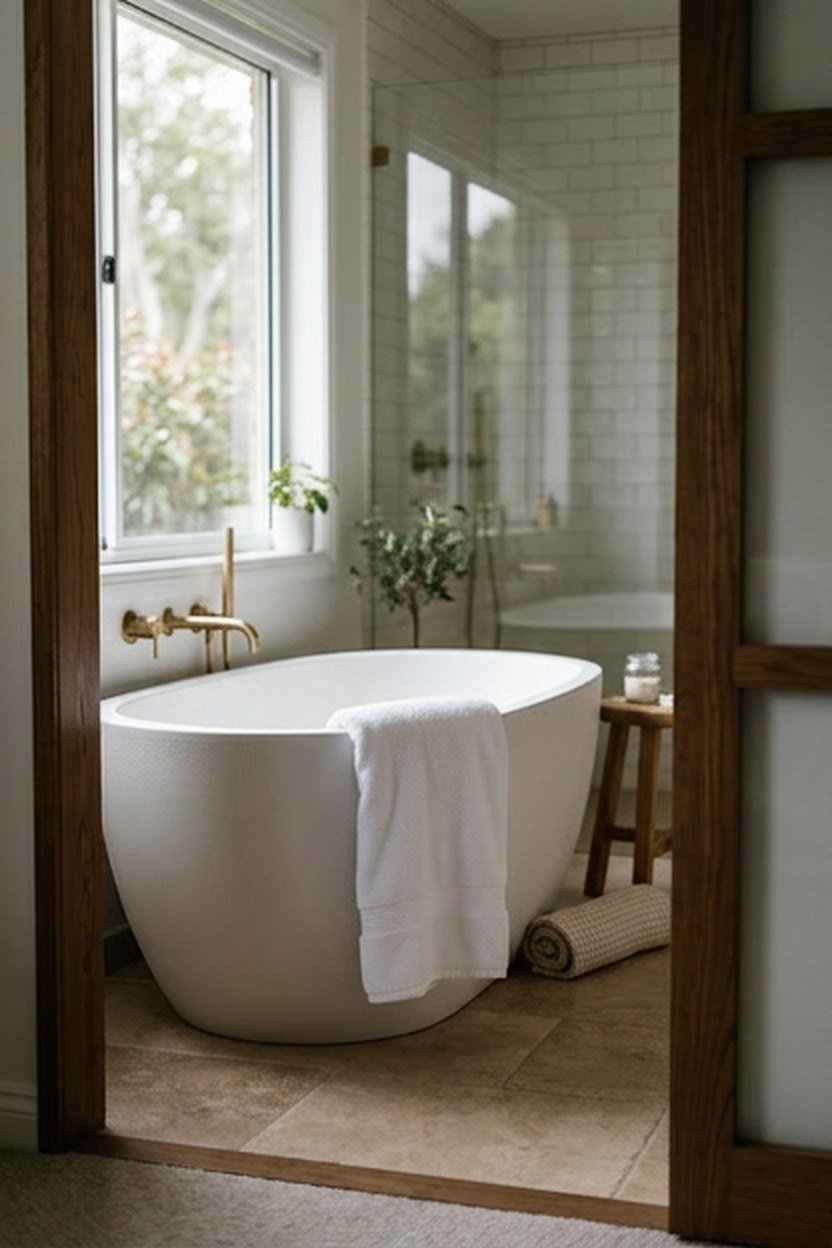
For a primary suite with adjoining bath access, a freestanding soaking tub positioned so it is at least partially visible from the bedroom creates a genuine spa like continuity between the two spaces. Expect to pay 1500 to 4000 dollars for a quality freestanding tub, a significant investment reserved for a primary suite renovation specifically. This feature works only in a layout that genuinely supports this visual connection.
Confirm your specific layout and any privacy considerations before pursuing this open concept connection, since not every household wants this level of visibility between bedroom and bathroom. A partial visual connection, like a large opening or a glass partition, offers a middle ground between fully open and fully separated spaces. Discuss this honestly with everyone who will share the space before committing to a specific layout.
The tub’s surface, whether cast iron, acrylic, or stone resin, will show minimal visible aging for most material choices, though a stone resin tub can develop a soft matte texture change at the rim from years of contact. This gradual textured change, where it occurs, is normal for the specific material and does not affect the tub’s structural function. Regular cleaning maintains the tub’s appearance across all common material choices.
Structural Considerations For A Freestanding Tub
Confirm your floor structure can support a filled freestanding tub’s substantial weight, since water and a stone or cast iron tub together add up to considerably more weight than most floors are designed to casually support without confirmation. A structural engineer’s brief assessment settles this question before installation begins. This upfront check prevents a serious problem discovered too late in the project.
Plan plumbing runs to this location early in any renovation involving a freestanding tub, since retrofitting plumbing to an unplanned location adds considerably to the project’s overall cost and complexity. Involve a plumber in the earliest design conversations rather than after other decisions are finalized. This sequencing saves real money over the course of the project.
11. Integrated Smart Home Controls
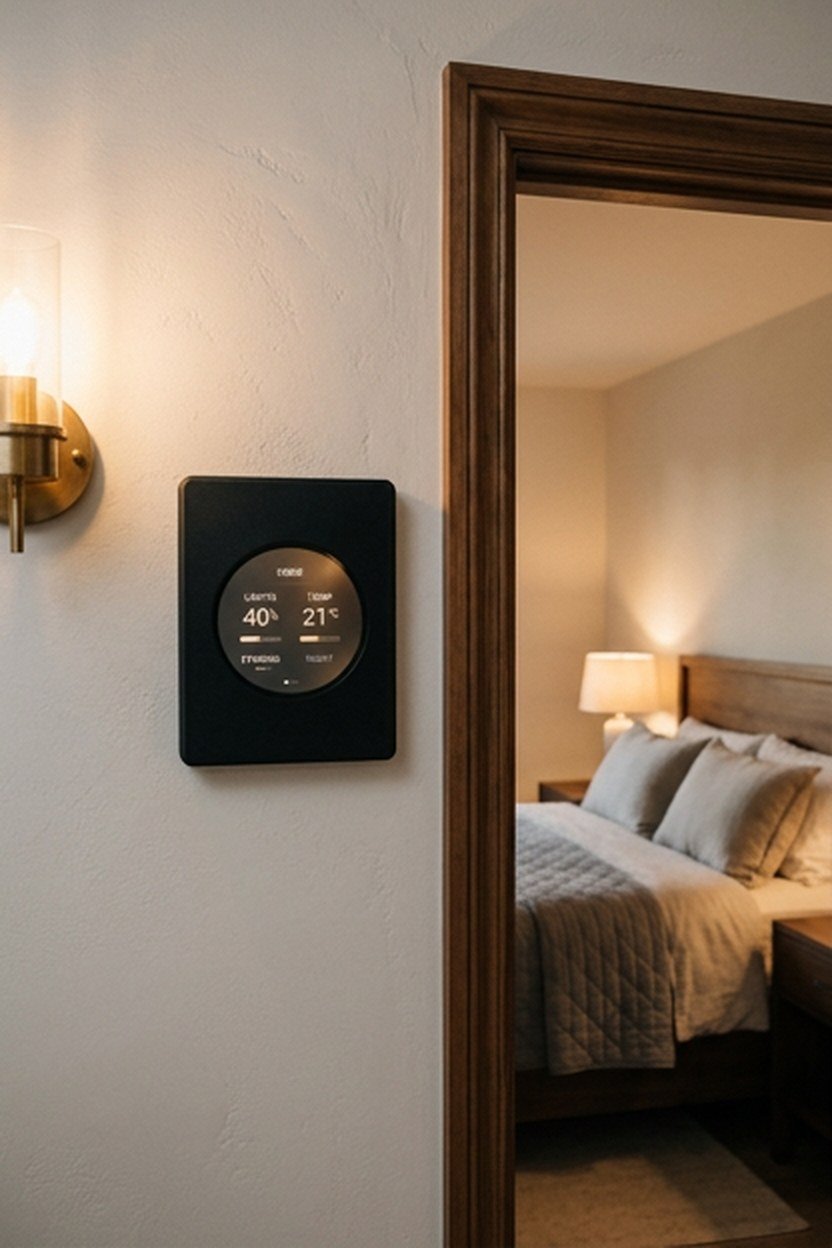
Integrated smart home controls for lighting, temperature, and window treatments let a luxury bedroom adjust seamlessly to different moods and times of day without visible switches or manual effort. Expect to pay 300 to 800 dollars for a basic smart lighting and thermostat setup, with motorized window treatments adding considerably more if included. This technology investment suits a household that values convenience alongside visual luxury.
Choose a smart system with a genuinely simple control interface, whether an app, a voice assistant, or a wall mounted panel, since a system too complicated for daily use undermines its own convenience value regardless of its capabilities. Test the actual daily interaction with any system before committing to a full home integration. This practical consideration matters more than the technology’s impressive feature list.
Smart home hardware, like wall panels and sensors, generally shows minimal visible aging over time since these are typically small, low profile electronic components rather than materials that develop visible texture or patina. Regular software updates matter more to a smart system’s long term performance than any physical maintenance consideration. Confirm your chosen system receives ongoing manufacturer support before committing to a full installation.
Balancing Smart Technology With A Timeless Aesthetic
Choose smart home devices with a minimal, unobtrusive physical design that does not compete visually with your room’s overall aesthetic, since a bulky or overly technical looking device can undermine an otherwise carefully curated luxury bedroom. Many premium smart home brands specifically design for this visual restraint. Prioritize this design consideration alongside the technology’s actual functionality when choosing between competing products.
Plan for eventual technology updates or replacements when choosing a smart home system, since electronics generally have a shorter useful lifespan than the furniture and materials elsewhere in a luxury bedroom. Choose a system built on an open, widely supported standard rather than a proprietary one when possible. This choice makes future upgrades considerably easier.
12. A Curated Art Or Photography Display
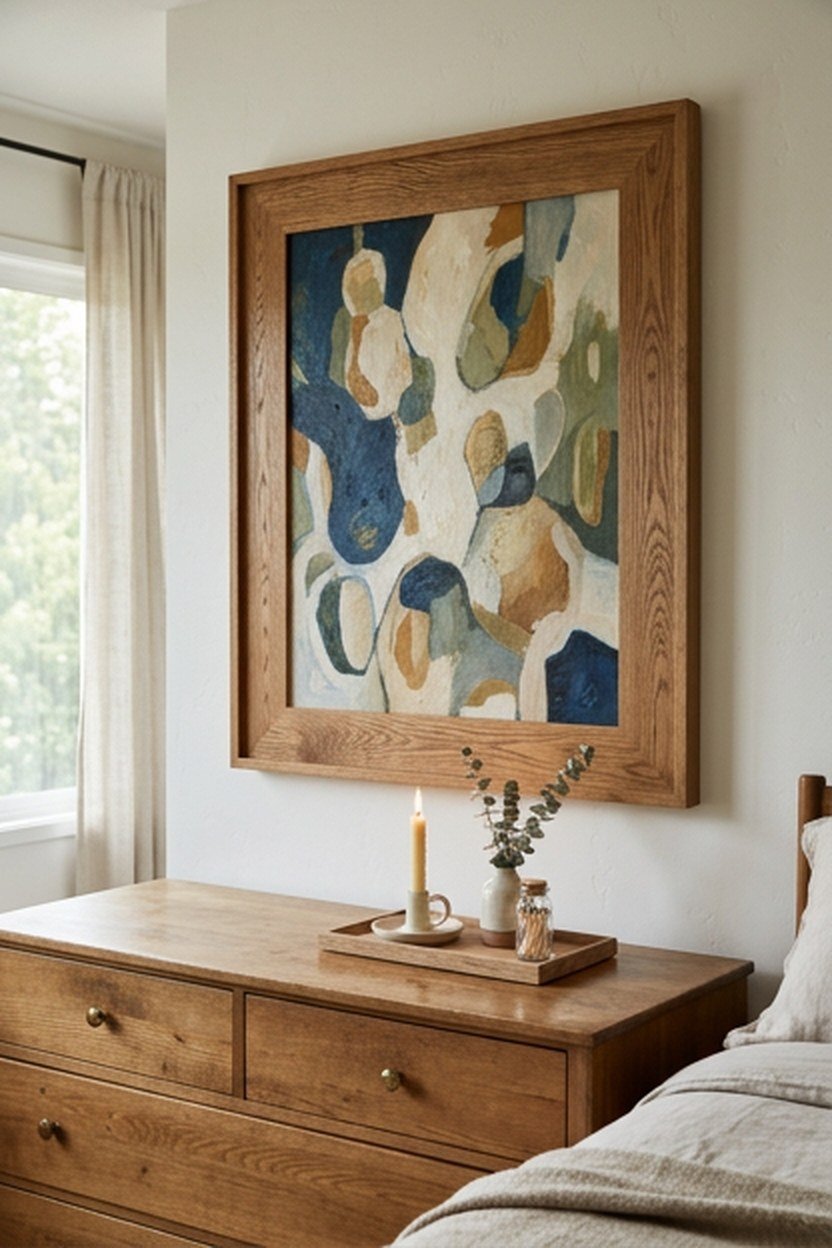
A small, genuinely curated art or photography display, rather than a large gallery wall of many pieces, suits a modern luxury bedroom’s overall restrained aesthetic. Expect to pay 200 to 1500 dollars depending on whether you choose original art, limited edition prints, or a professionally framed personal photograph. Quality and personal meaning matter more here than sheer quantity of pieces displayed.
Choose one or two substantial pieces rather than a busy collection of many smaller ones, since this restraint matches the room’s overall design philosophy of fewer, better elements. Position art at a genuine focal point, like above a dresser or opposite the bed, where it can be appreciated without competing with other visual elements. This placement consideration matters as much as the art’s actual content.
Framed art will show minimal visible aging if properly protected behind UV resistant glass, though the frame itself, if wood, may develop a visible natural grain pattern over years in a stable indoor environment. This gradual textured change in the frame is normal and does not affect the artwork’s own preservation if properly glazed. Regular dusting of the frame keeps the full piece looking its best.
Choosing Art Scale For Your Wall Space
Measure your intended wall space before choosing art scale, since a piece too small for its wall reads as an afterthought while one too large can overwhelm a modest bedroom wall. A general guideline suggests choosing art that covers roughly two thirds of the available wall width above a piece of furniture like a dresser. Confirm this proportion works for your specific space before finalizing a purchase.
Consider having art professionally framed even if you already own the piece, since quality framing significantly affects how substantial and finished a piece of art reads in a considered luxury space. A professional framer can also advise on UV protective glazing for pieces exposed to natural light. This small investment noticeably elevates even a modestly priced print.
13. A Substantial Upholstered Bench At The Foot Of The Bed
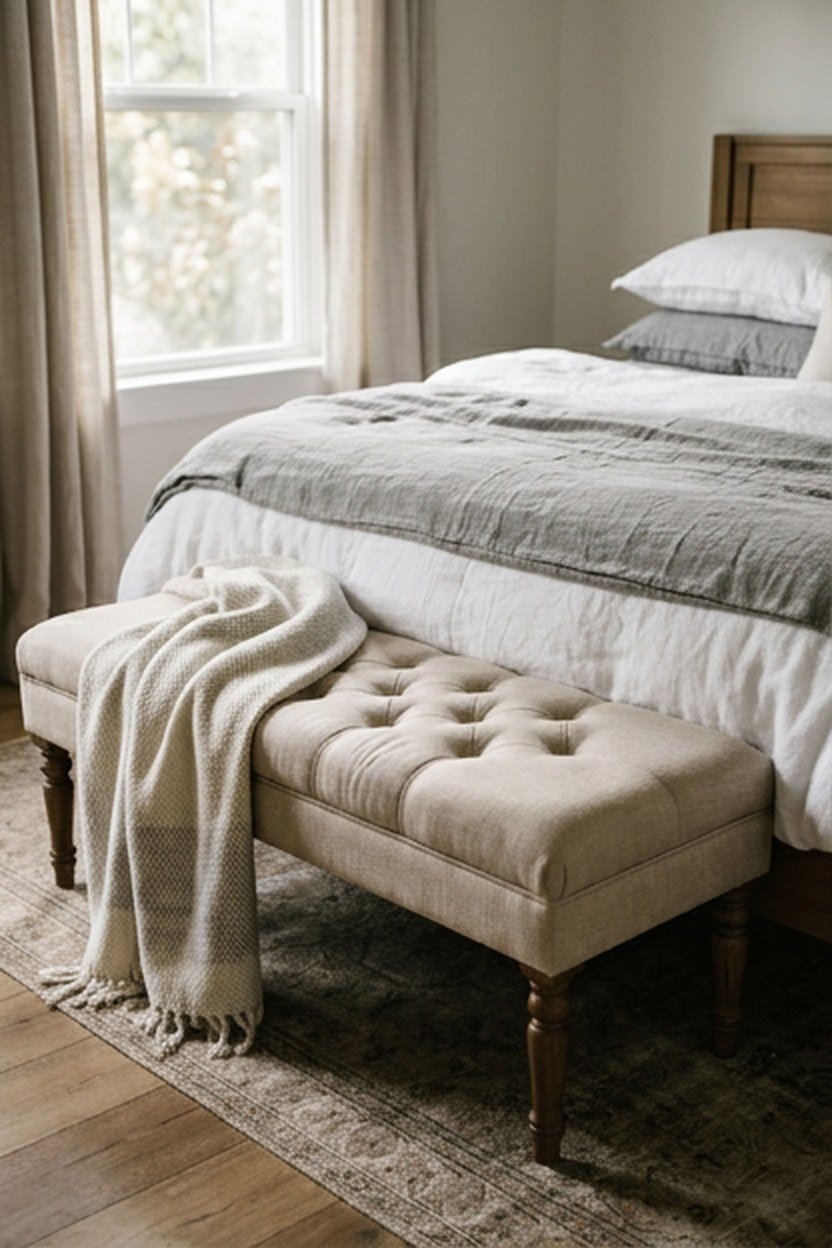
An upholstered bench positioned at the foot of the bed adds both function, a place to sit while dressing, and visual weight that balances the headboard’s own substantial presence. Expect to pay 300 to 800 dollars for a quality upholstered bench sized appropriately for your bed’s width. This piece completes the bed’s overall visual composition in a way an empty foot of bed cannot.
Choose a bench width proportional to your bed, typically covering at least half the bed’s total width for proper visual balance. A bench that is too narrow looks disconnected from the bed’s own scale, while one that is too wide can crowd the room’s walking path. Measure your bed’s exact width before finalizing bench selection.
The bench’s upholstery will develop a soft natural sheen change across the seating surface from years of regular use, this contact point aging at a visibly different rate than the bench’s less handled base or legs. This gradual textured change is normal for quality upholstery under sustained use and does not affect its structural support. Professional cleaning maintains the fabric’s appearance despite this natural aging.
Matching Bench Fabric To Your Headboard
Choose a bench fabric that complements rather than exactly matches your headboard fabric, since a slight variation in texture or a coordinating rather than identical color reads as more intentionally layered than an exactly matched set. This subtle distinction is a common technique in high end interior design specifically to avoid a showroom, matched furniture set appearance. Consider this coordination principle when selecting fabrics for any two related pieces in the same room.
Confirm the bench’s height allows comfortable use for dressing tasks like putting on shoes, since a bench too low or too high undermines its practical function regardless of how well it matches the room’s style. Sit on a sample bench before ordering rather than judging purely by its listed dimensions. This small check ensures the piece earns its place functionally, not just visually.
14. Quality Bedding In Natural Fibers
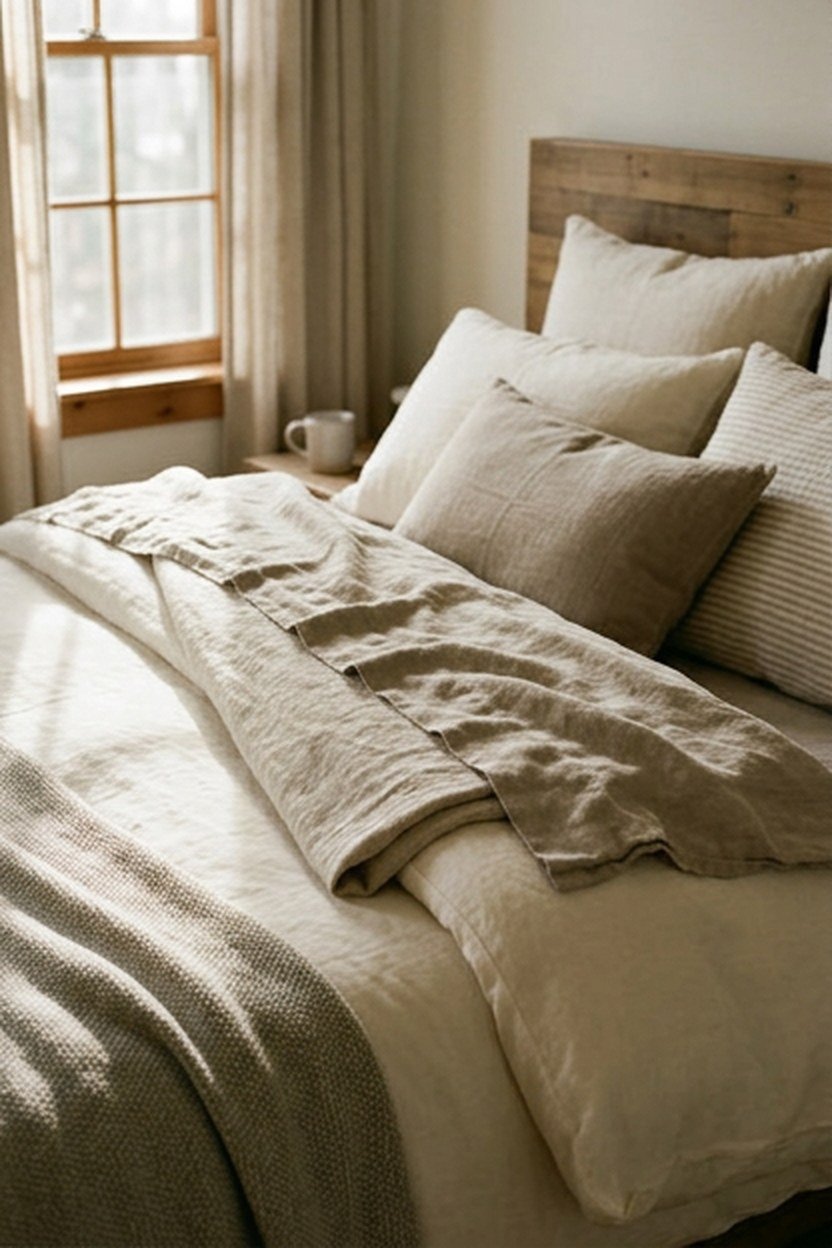
Genuinely high quality bedding in natural fibers like Egyptian cotton, linen, or silk brings a tactile luxury that visitors may never touch but that affects the room’s owner every single night. Expect to pay 150 to 500 dollars for a quality sheet set in a natural fiber, with a proportionally higher cost for genuine silk. This investment matters more to daily lived experience than almost any purely visual element on this list.
Choose a thread count and weave appropriate to the specific fiber rather than chasing an arbitrarily high thread count number, since quality cotton in the 300 to 500 thread count range often outperforms a lower quality fabric with an inflated, marketed thread count. Research the specific fiber and weave type rather than relying purely on thread count marketing. This distinction matters considerably more to actual sheet quality and feel than the number alone suggests.
Natural fiber bedding will develop a soft natural fiber texture becoming noticeably softer after repeated washing, the fibers relaxing and the weave loosening slightly with each wash cycle. This gradual textured change is completely normal and is specifically why many people prefer natural fiber bedding over synthetic alternatives that do not soften in this way. Proper laundering according to the fabric’s specific care instructions maintains both quality and this desirable softening over many years.
Building A Bedding Rotation For Longevity
Own at least two complete sheet sets in rotation, allowing each set genuine rest time between washes and uses rather than constant daily wear on a single set. This rotation extends the useful life of quality bedding considerably compared to relying on just one set washed and reused continuously. The investment in a second set pays for itself in extended longevity of both.
Store off season or spare bedding in a breathable cotton storage bag rather than sealed plastic, since natural fibers benefit from some airflow even during storage to prevent any musty smell developing over time. A simple labeled cotton bag also makes finding the right set easier later. This small habit keeps stored bedding fresh for months at a time.
15. A Minimal, Uncluttered Dresser Top
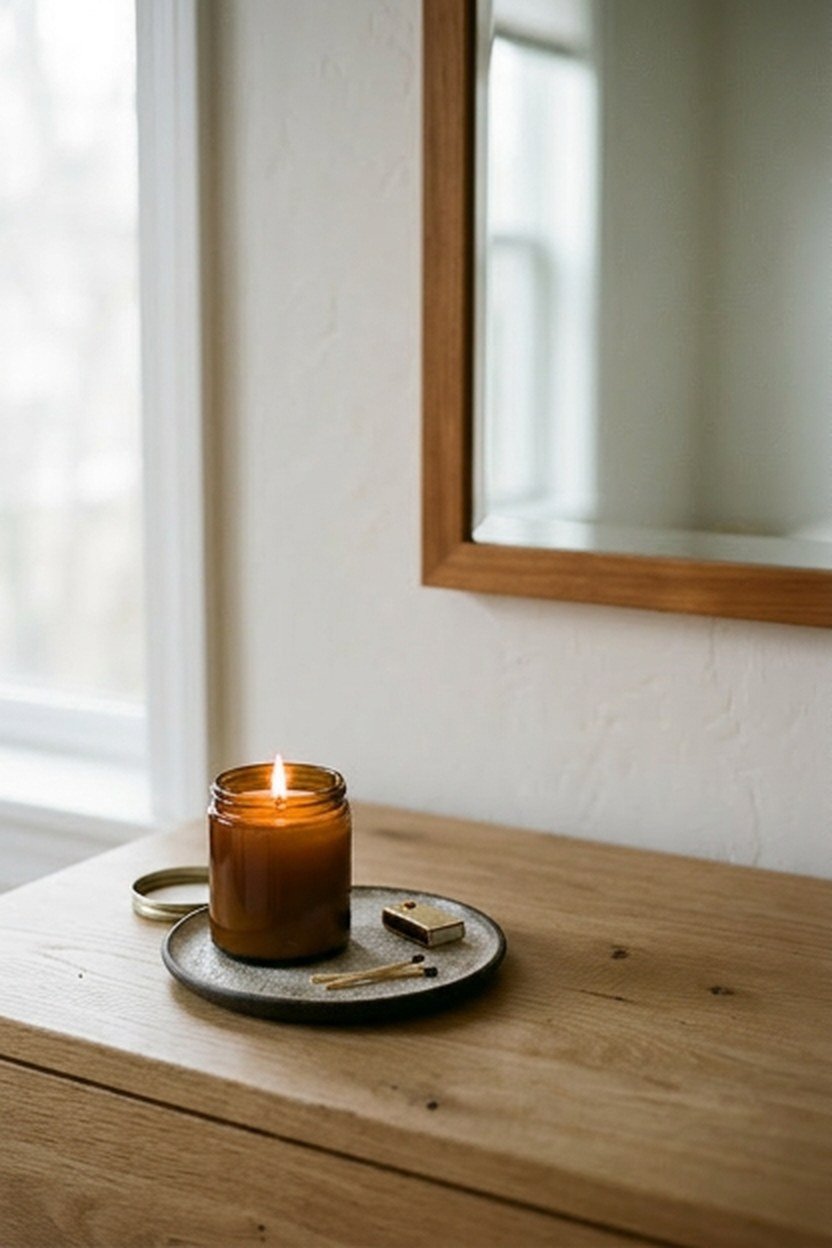
A dresser or surface kept genuinely minimal, holding only a few curated objects rather than accumulated daily clutter, reinforces the entire room’s restrained luxury aesthetic more than any single purchased item could. This is the lowest cost element on this entire list, since it costs nothing beyond the discipline of regular editing and tidying. The visual calm this creates affects how luxurious the whole room feels more than people initially expect.
Choose two or three genuinely meaningful or beautiful objects, a candle, a small tray, a single framed photo, rather than displaying every item you own on the surface. This curation takes ongoing effort but costs nothing financially, making it one of the most accessible luxury upgrades available to any bedroom regardless of budget. Regular tidying maintains this effect far more than any one time purchase could.
Any ceramic or wood objects displayed will develop their own natural aging characteristics over time, ceramic surfaces showing a light mineral bloom from handling and wood showing a visible natural grain pattern from repeated touch. These gradual textured changes are normal characteristics of these materials under regular handling and add genuine character to a curated display. Occasional dusting keeps the minimal display looking intentional rather than neglected.
Building A Sustainable Daily Tidying Habit
Designate a specific spot, like a drawer or a small tray, for daily items like jewelry, keys, or a phone charger, so these necessary but visually cluttering items have a home other than the dresser’s main surface. This small system makes maintaining a minimal look considerably easier day to day than relying purely on willpower. A five minute evening tidying routine keeps this system working consistently.
Revisit your curated dresser display periodically, swapping in different meaningful objects occasionally, since even a minimal display benefits from some intentional variation over time rather than becoming static and unnoticed. A seasonal swap of just one or two objects keeps the display feeling fresh. This small habit costs nothing and keeps the room feeling actively cared for.
What A High End Modern Luxury Bedroom Actually Costs
A complete high end modern luxury bedroom can range from under 5000 dollars for a focused approach prioritizing the bed, lighting, and a few key materials to 15000 dollars or more for a full renovation including custom closets and structural changes. Most homeowners land somewhere in the middle, prioritizing the bed and lighting first before adding architectural and accent features over time. Prioritize the elements that most directly affect your daily experience of the room rather than pursuing every idea on this list at once.
Spread larger investments like a custom closet or accent wall across a longer timeline if the full cost feels like a stretch, starting with the bed, lighting, and bedding for the most immediate impact on daily comfort and visual luxury. I recommend this phased approach specifically for this style, since rushing every element at once often means compromising on quality somewhere to fit a tighter overall budget. A well planned phased project achieves the same final result without that compromise.
The table below breaks down rough cost tiers for a high end modern luxury bedroom project, acknowledging that specific material and brand choices shift these numbers considerably. Treat it as a planning starting point rather than a firm quote for your specific project. Most homeowners land in the middle tier once lighting and an accent wall are included.
| Budget tier | What it covers | Approach |
|---|---|---|
| Under $5000 | Bed, lighting, bedding, rug | Core foundational elements |
| $5000 to $10000 | Accent wall, drapery, statement lighting | Adds architectural detail |
| $10000 and up | Custom closet, structural changes | Full room transformation |
Common Mistakes When Designing A High End Modern Luxury Bedroom
Buying many decorative pieces at a moderate price point rather than fewer pieces at a genuinely high quality level is the most common mistake, since this approach undermines the restraint that actually defines this style. A room with ten mediocre accent pieces reads as cluttered regardless of the total amount spent, while three or four excellent pieces read as genuinely luxurious. Prioritize quality and editing over sheer volume of purchases.
Neglecting layered lighting in favor of a single overhead fixture is the second frequent mistake, since flat, single source lighting undermines even beautifully chosen furniture and materials. Budget for genuine lighting layers early in the planning process rather than treating lighting as an afterthought once furniture is already selected. This investment affects the room’s actual atmosphere more than almost any other single decision.
Choosing trend driven pieces over genuinely timeless ones is the third mistake, since a luxury bedroom is typically a longer term investment than more frequently updated rooms like a living room. Favor classic silhouettes and neutral or muted color palettes that will not feel dated within just a few years. This approach protects the value of your investment over the room’s genuinely long useful life.
Testing Material And Color Choices Before Committing
Test any new fabric, paint color, or material sample directly in your actual room at different times of day before committing to a large purchase, since lighting conditions affect how luxurious a material genuinely reads in practice. A color or fabric that looks perfect in a showroom can read differently once installed in your specific space. This small testing step prevents an expensive mismatch after the fact.
Live with a partial room setup for a few weeks before finalizing smaller accent purchases, since seeing the major foundational pieces in place first often clarifies what the room genuinely still needs to feel complete. This patience often saves money on accents that would not have suited the finished room. A slower approach usually produces a more cohesive final result.
Conclusion
Building a high end modern luxury bedroom comes down to prioritizing genuinely high quality foundational elements, the bed, lighting, and key materials, before layering in fewer, well chosen accent pieces. Start with the elements that most directly affect your daily experience, and build outward with restraint rather than volume. The fifteen elements covered here scale from an affordable focused approach up to a fully realized, comprehensive renovation.
Prioritize genuine material quality and thoughtful editing above simply acquiring more decorative pieces, since restraint is what actually distinguishes this style from a merely expensive but cluttered room. A well planned high end modern luxury bedroom rewards its owner with a genuinely calming, elevated retreat for years to come. Get the fundamentals right, and the room will keep earning that feeling every single day.
Frequently Asked Questions
How much does a full high end modern luxury bedroom typically cost? Costs range from under 5000 dollars for a focused approach to 15000 dollars or more for a full renovation including custom closets. Most projects land in the 5000 to 10000 dollar range for a well rounded result.
What is the single most important element to prioritize first? The bed and its headboard typically deserve the largest share of the budget, since this piece anchors the entire room. Layered lighting is a close second priority.
Can I achieve this style on a more modest budget? Yes, focusing on quality bedding, a well chosen rug, and layered lighting can achieve genuine luxury character without the largest investments like custom closets. Prioritize the elements that affect daily comfort most directly.
How do I avoid a cluttered look while still adding personal touches? Choose fewer, more meaningful objects rather than displaying everything you own, and revisit displays periodically to keep them feeling intentional rather than static. This curation matters more than any specific purchase.
Is natural fiber bedding really worth the extra cost? Many people find the tactile difference and the way natural fibers soften over time genuinely worth the investment, since bedding is used every single night unlike many purely decorative elements. Consider it a priority if daily comfort matters more to you than visual impact alone.
How often should I update a luxury bedroom’s design? Choosing timeless silhouettes and neutral palettes means a well planned luxury bedroom can remain current for a decade or more with only minor refreshes. Reserve major updates for genuine changes in taste or function rather than following short term trends.