
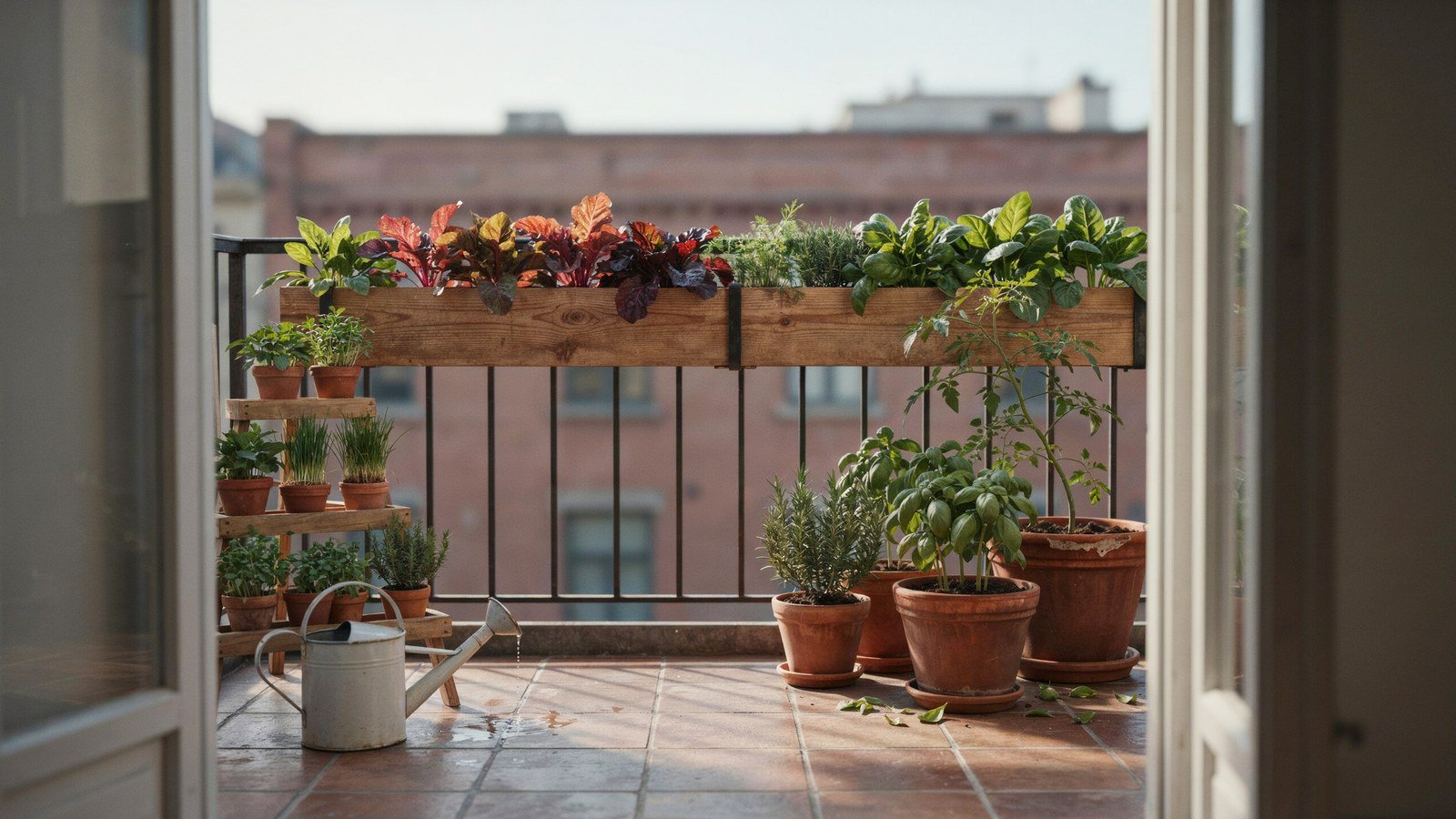
An edible balcony garden earns its space when you actually cook from it. Herbs you use weekly beat vegetables you harvest once.
That is the mistake most people make, mine included. My first balcony had two tomato plants and no basil, which is exactly backwards.
Below are fifteen setups that keep a small balcony supplying the kitchen, from the wind check to the winter plan. Most fit on a few square feet.
What Actually Grows Well On A Balcony
Balconies are windier, hotter and drier than gardens, and the pots dry out fast. That combination rules out some crops and suits others perfectly.
Anything you pick a little at a time thrives here. Herbs, salad leaves, chillies and strawberries all keep producing rather than giving one harvest.
Root vegetables and anything needing depth or space are the poor bets. A single carrot crop takes a whole pot for months and feeds you once.
| Crop Type | Balcony Verdict | Why |
|---|---|---|
| Soft herbs | Excellent | Cut and come again, used daily |
| Salad leaves | Excellent | Fast, shallow rooted, repeat sow |
| Chillies and peppers | Very good | Compact, love the heat |
| Cherry tomatoes | Good with support | Need sun, water and a stake |
| Root vegetables | Poor | Deep pots, one harvest |
| Squash and sweetcorn | Poor | Far too large for the space |
1. Check Your Light Before You Buy A Single Plant
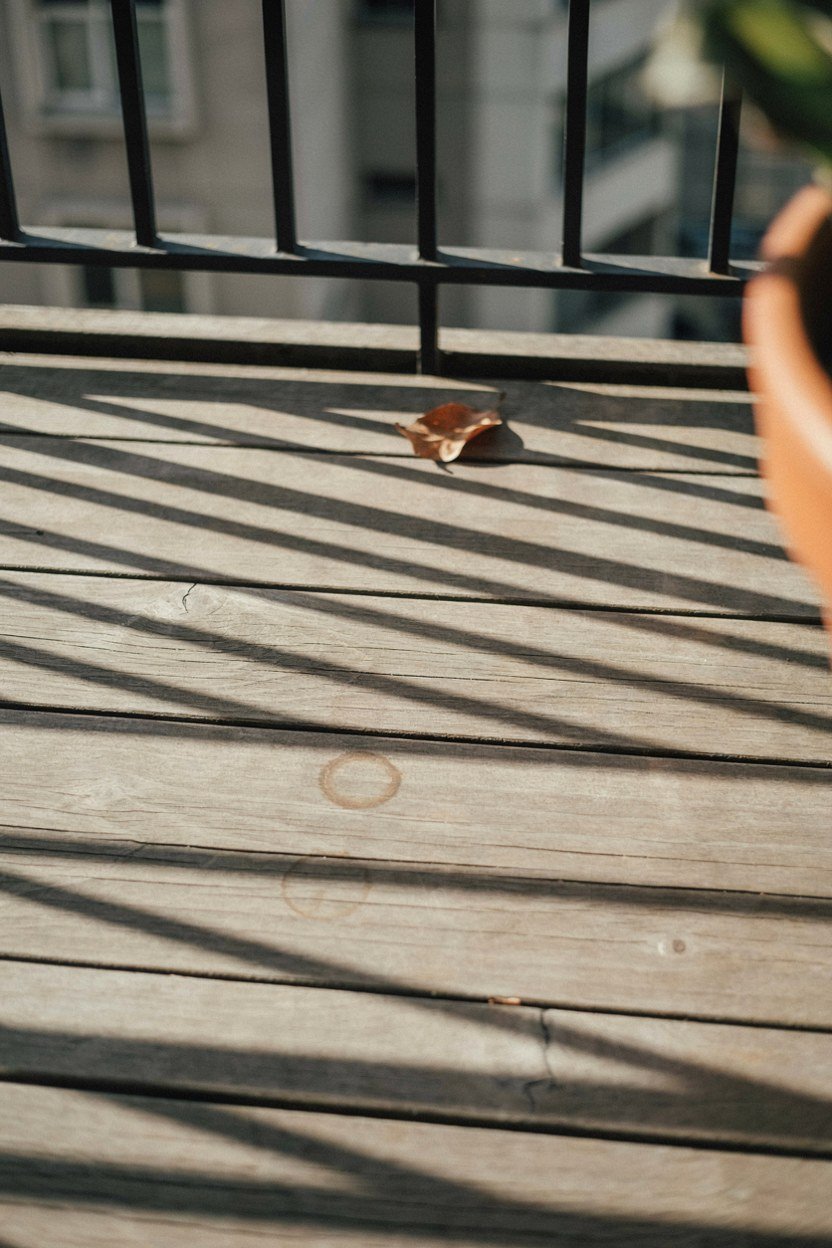
Watch the balcony across one full day and note how many hours get direct sun. That number decides everything you can grow.
Six hours or more means tomatoes, chillies and most Mediterranean herbs. Three to four hours suits salad, mint, parsley and chives.
Do the check in the season you will actually grow. A balcony that bakes in July can sit in shadow through spring.
Note where the shade falls, not just how long. A balcony shaded at midday behaves very differently from one shaded at dawn.
2. Work Out Which Way The Wind Hits
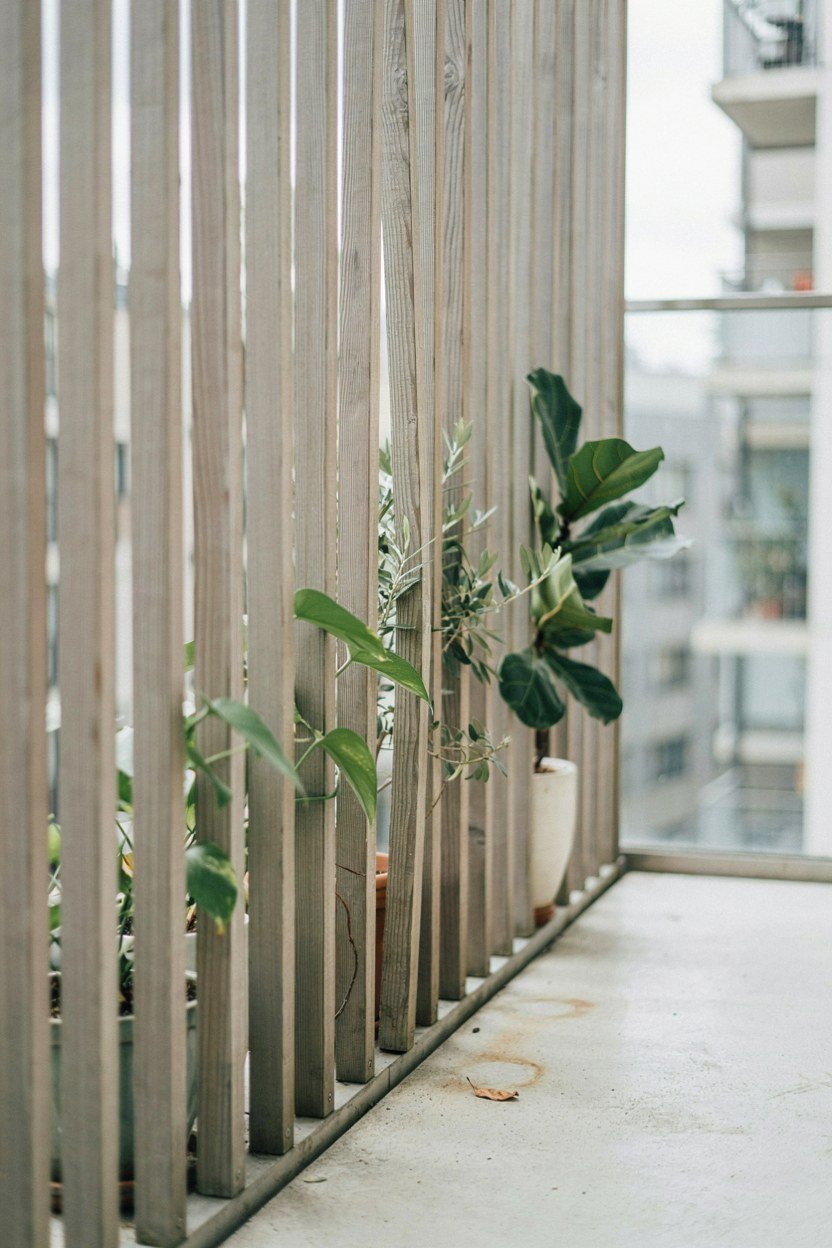
Wind is the balcony problem people underestimate. It shreds leaves, snaps stems and dries pots faster than sun does.
Stand out there on a blustery day and see which corner takes the worst of it. That corner is for the toughest plants or for nothing.
A slatted screen or a row of sturdier pots on the windward side shelters everything behind. Solid screens can make it worse by creating turbulence.
Tie in tall plants early. Staking after a stem has bent rarely straightens it, and the damage limits the crop.
3. Grow Herbs You Cook With Weekly
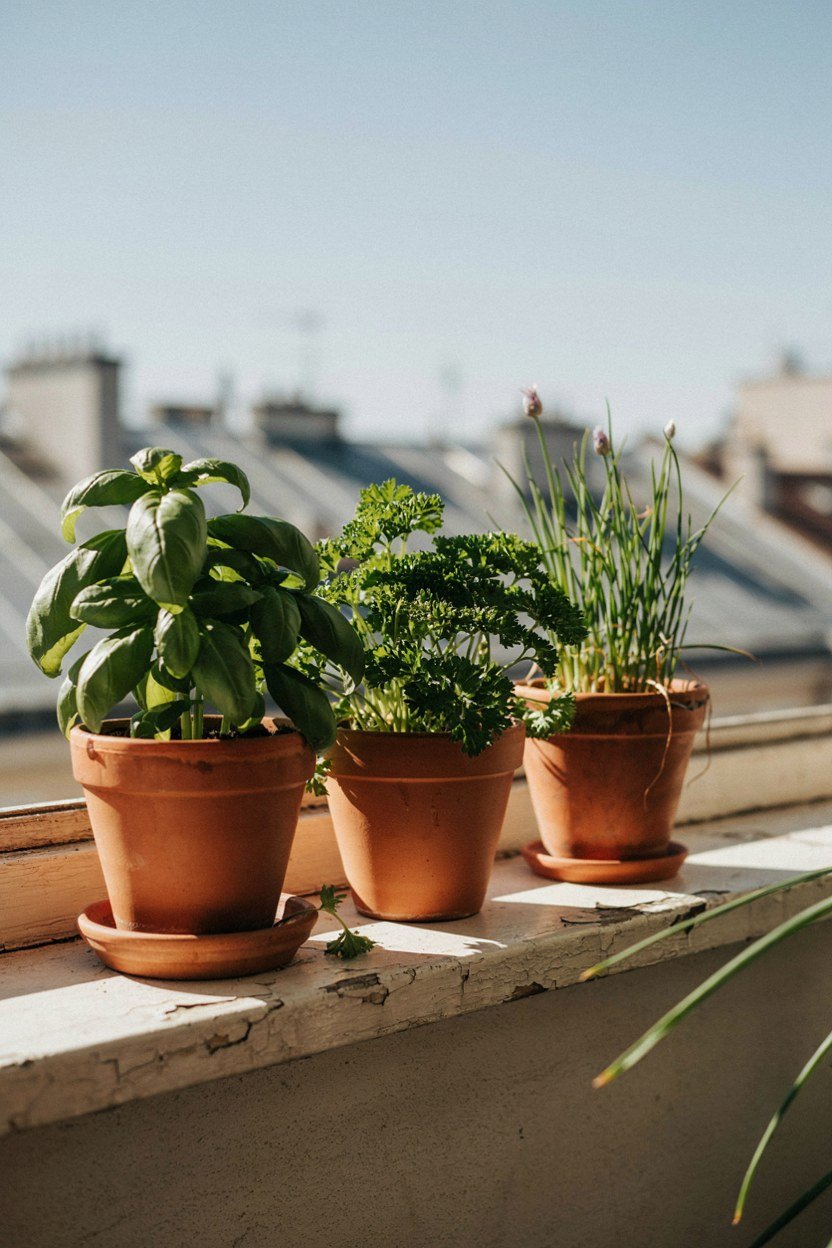
Plant the herbs already on your shopping list. It sounds obvious and almost nobody does it.
Basil, parsley, coriander, chives and mint cover most kitchens. Buy them as small plants rather than seed for the first season.
Keep mint in its own pot, always. Given a shared container it will strangle everything else within a season.
Buy two basil plants and split them. Supermarket pots hold several seedlings crammed together and separating them doubles your stock.
4. Use Deep Pots Rather Than Wide Ones
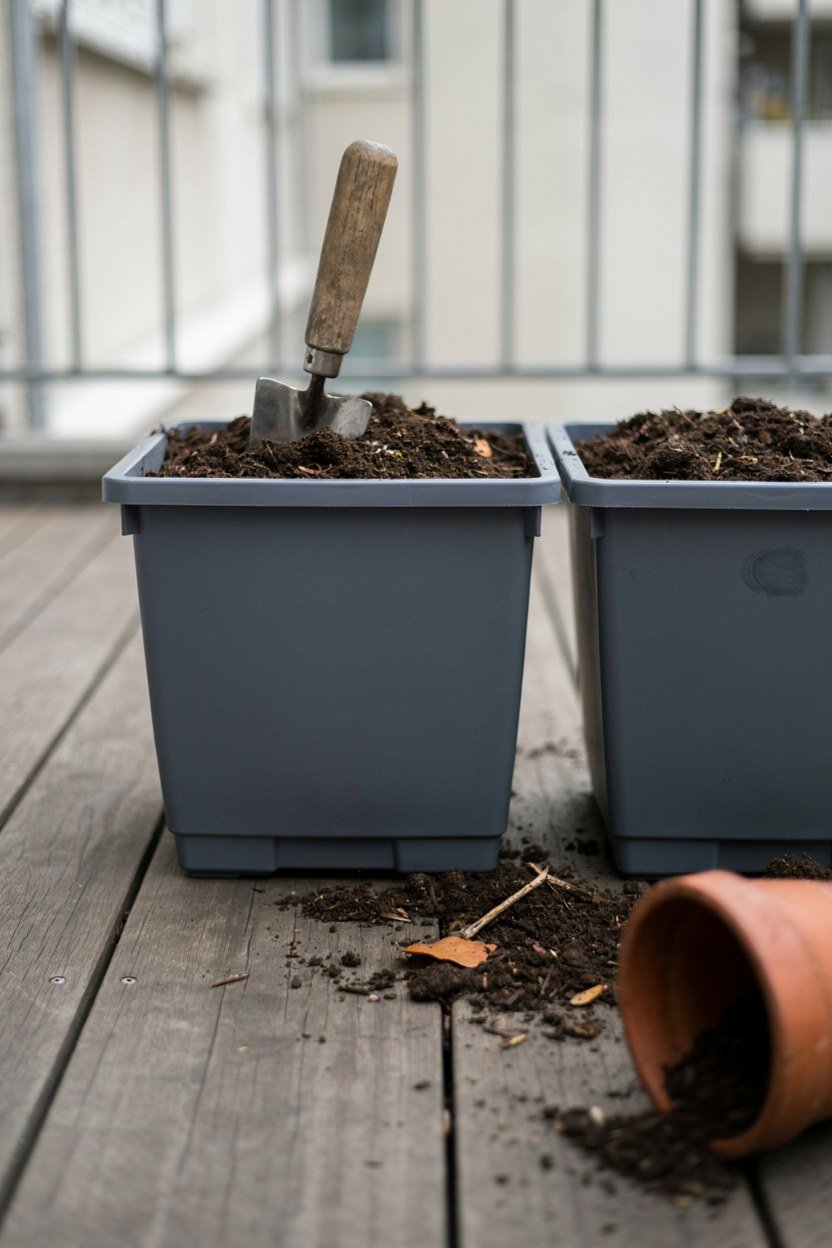
Depth matters more than width on a balcony because it holds water and lets roots run. Shallow trays dry out by lunchtime in summer.
Aim for at least 10 inches deep for herbs and 14 for tomatoes or chillies. Anything shallower needs watering twice a day in heat.
Fewer, larger pots also weigh less overall than many small ones filled with the same volume, and they are far easier to keep alive.
Check the drainage holes before planting. Plenty of decorative pots arrive with holes too small to clear a wet season.
5. Go Vertical With A Rail Planter System
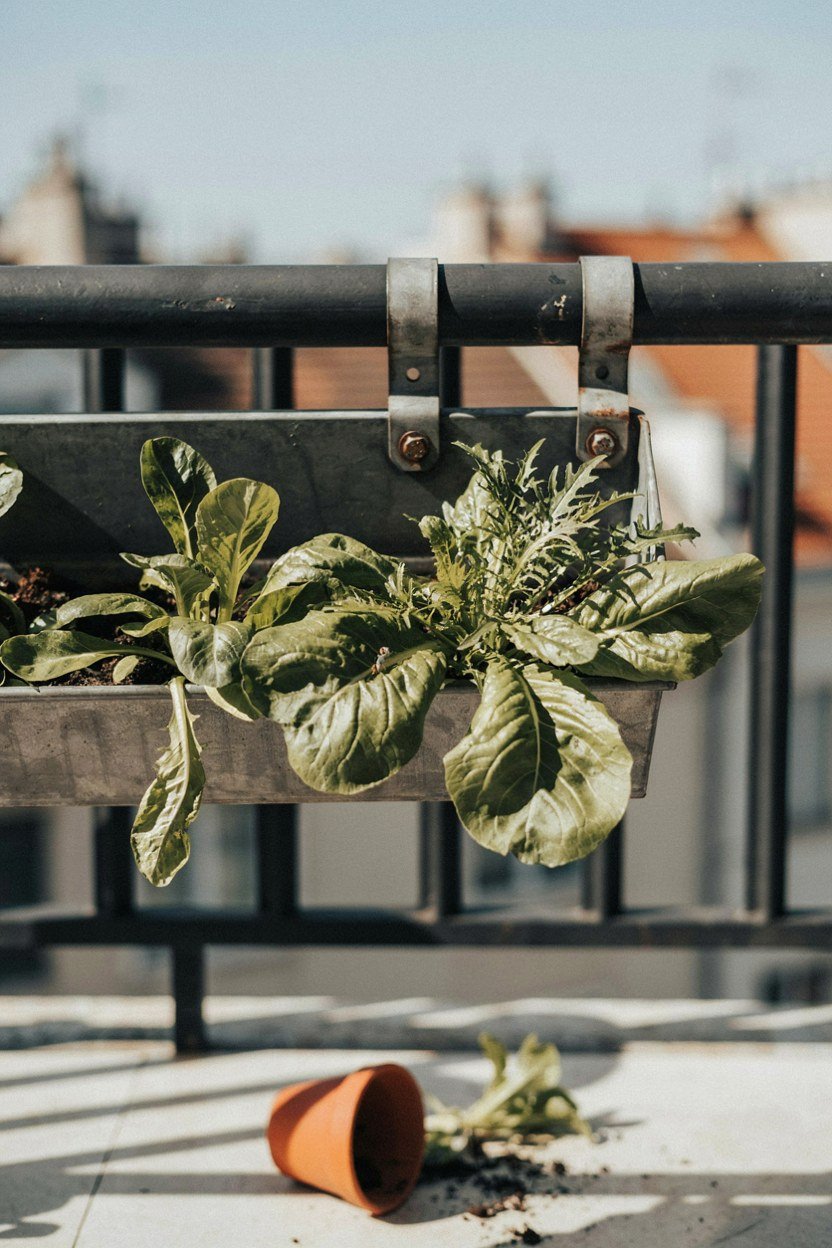
Rail planters hang on the balustrade and use space that was doing nothing. They suit salad and low herbs particularly well.
Check the fixing takes the weight when wet, which is roughly double the dry weight. And check your building actually allows them.
Fit rail planters on the inside of the balustrade. Anything hanging outward risks falling into a public space below.
Keep the heavy pots on the floor and the light ones on the rail. That keeps the balcony safe and the watering manageable.
6. Add A Tiered Stand For Layers
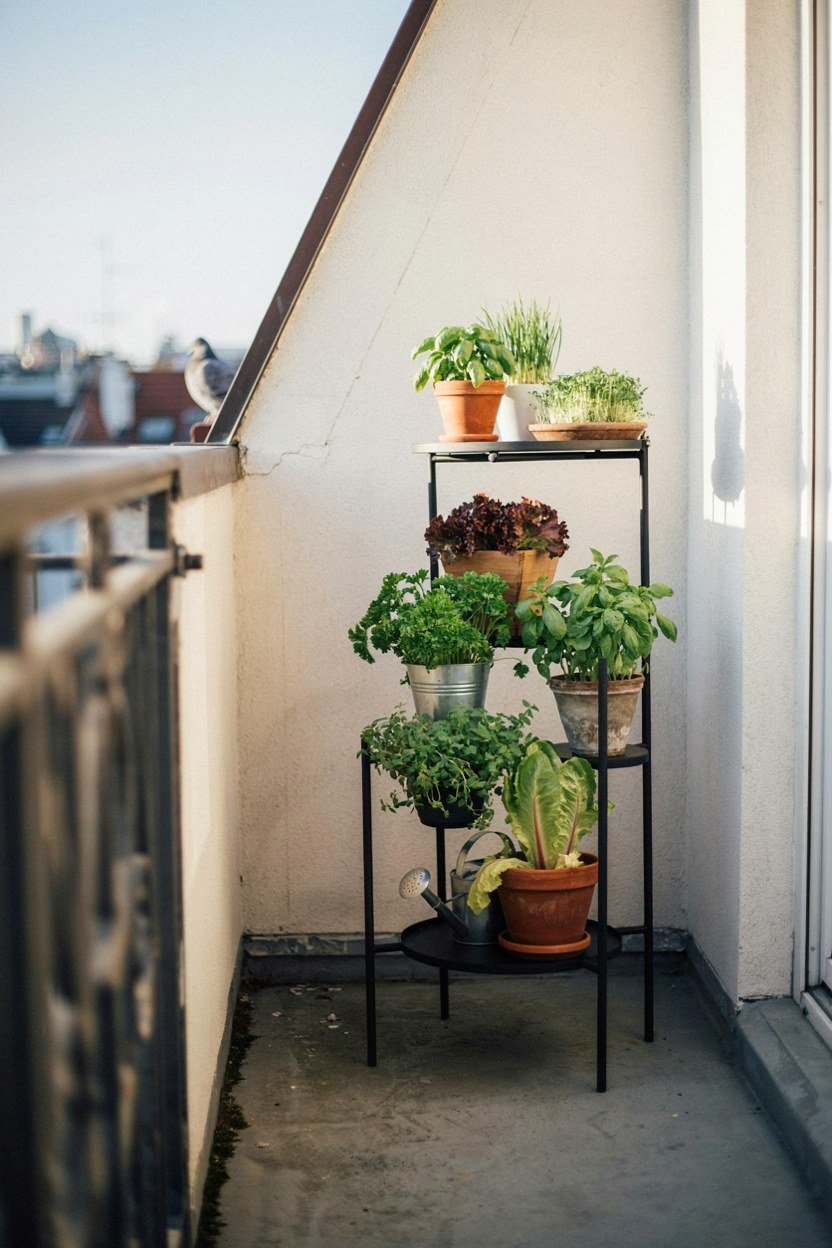
A three tier stand triples your growing area within the same footprint. It also lifts plants into better light.
Put sun lovers on the top shelf and shade tolerant leaves below. The upper tiers will shade the lower ones, so plan for that rather than fighting it.
Choose a stand that can be moved when empty. Balconies need cleaning and a fixed structure makes that miserable.
Turn the stand every couple of weeks. Plants lean hard toward the light and a quarter turn keeps them upright.
7. Set Up Watering Before Anything Else
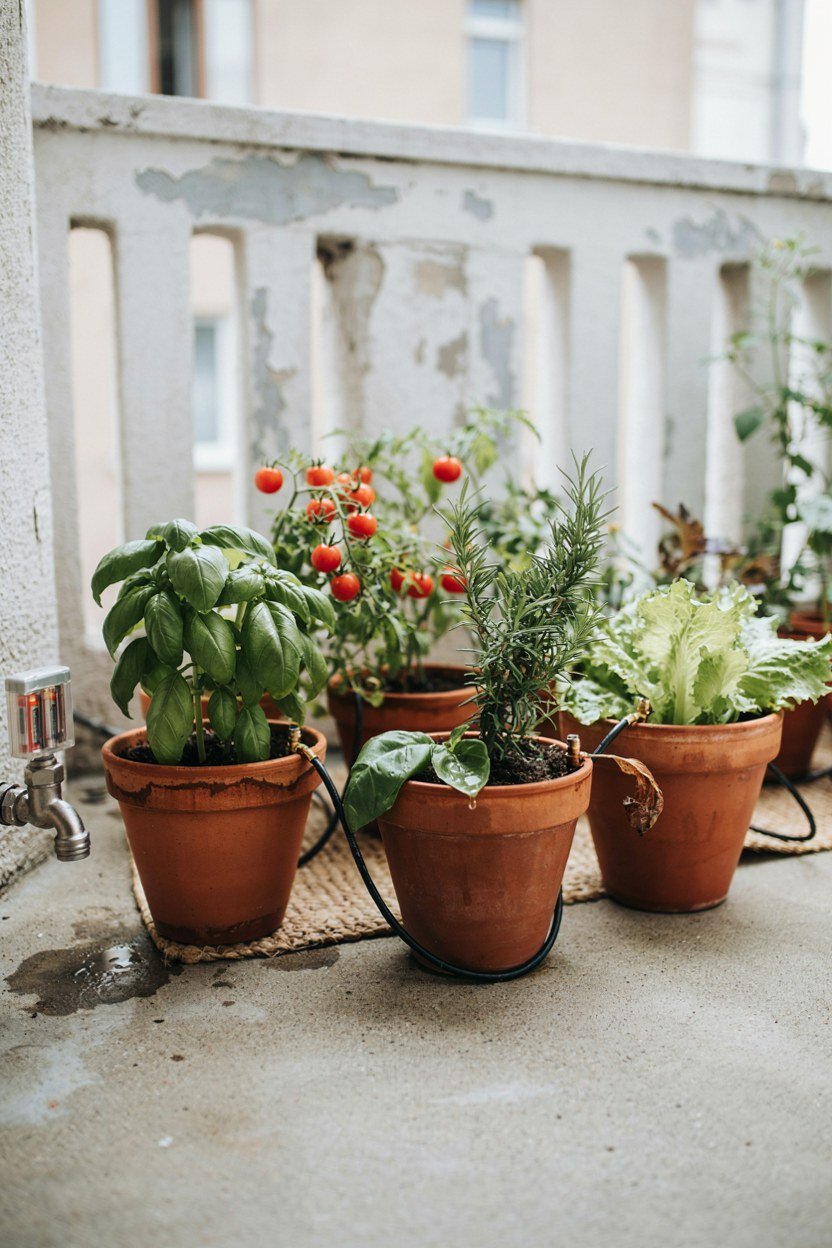
Balcony pots dry out quickly and a missed day in July can end a crop. Decide how watering happens before you plant.
A watering can and a tap nearby is fine if you are home. If you travel, a simple drip kit on a timer pays for itself in one summer.
Group thirsty plants together so you can water them as one job. Mixed watering needs across scattered pots is how plants get missed.
Water in the evening in summer. Midday watering evaporates before it reaches the roots and can scorch wet leaves.
8. Use Water Retaining Compost With Added Grit
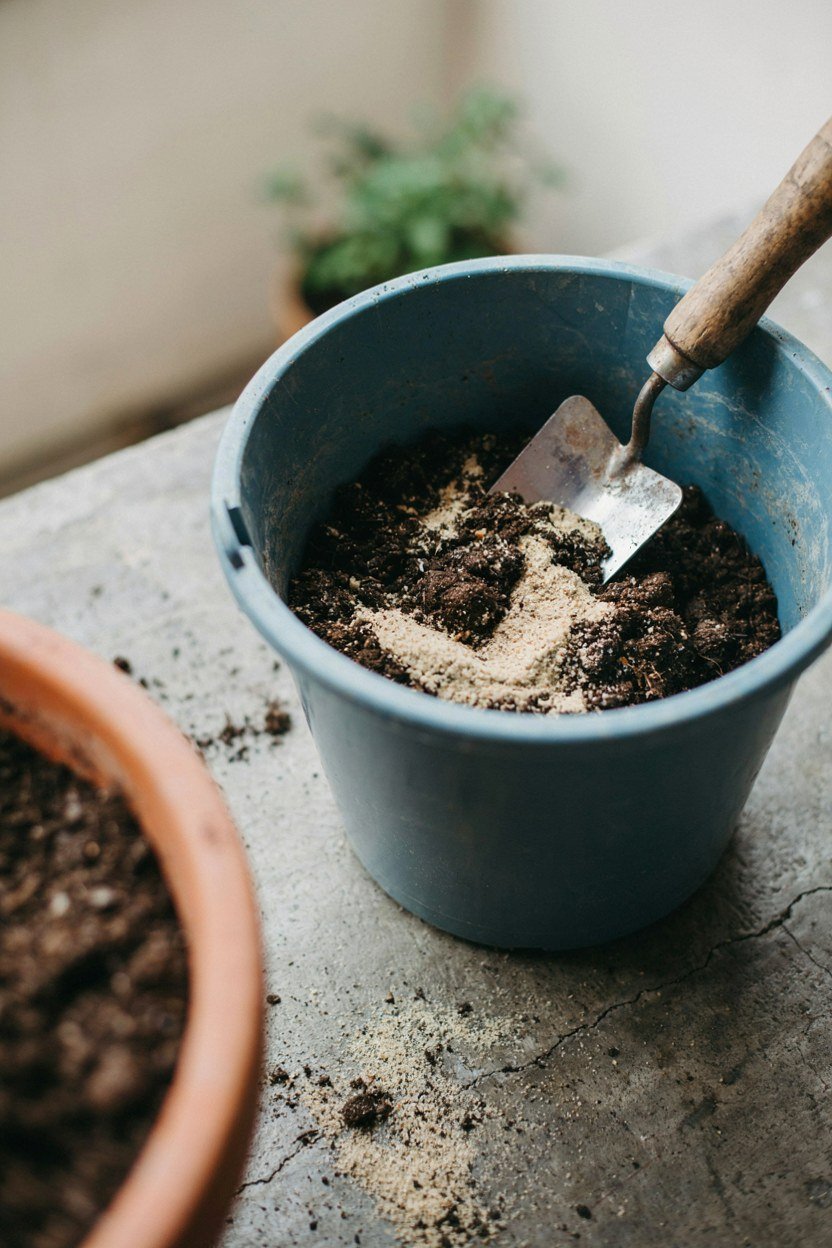
Standard compost dries and then repels water, which is why a bone dry pot runs straight through. A mix designed for containers holds moisture far better.
Add a handful of grit or perlite for drainage. Balcony pots need to hold water without becoming waterlogged in a wet spell.
Refresh the top few inches each spring rather than replacing everything. Container compost loses structure and nutrients within a season.
Never reuse compost from a plant that died of root problems. Whatever killed it usually stays in the mix.
9. Feed More Often Than You Think
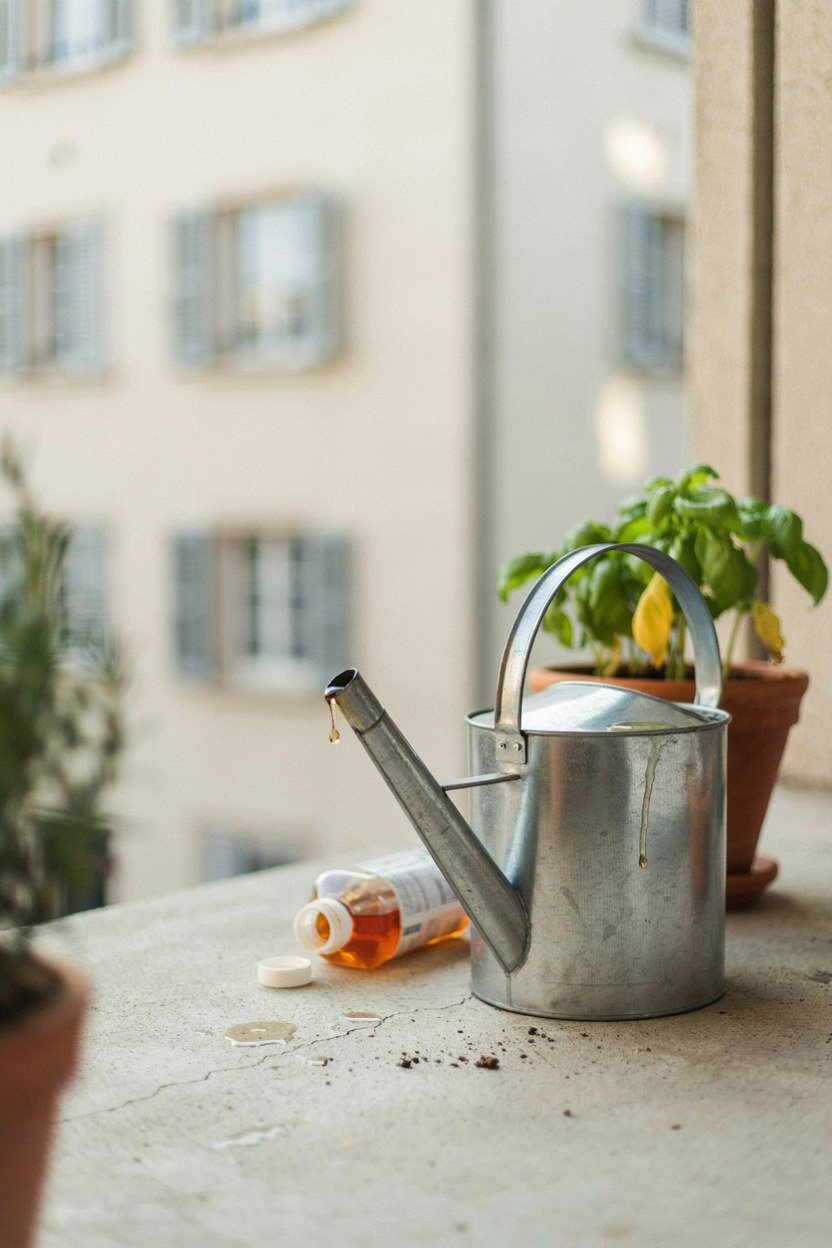
Container plants run out of food fast because every watering flushes nutrients out of the bottom.
A liquid feed every two weeks through the growing season keeps things producing. Tomatoes and chillies want a high potash feed once they flower.
Stop feeding leafy herbs so hard. Overfed basil grows soft and floppy and loses much of its flavour.
Dilute liquid feed slightly more than the bottle says. Container plants respond better to weak and frequent than strong and occasional.
10. Grow Salad In Succession, Not All At Once

A whole tray of lettuce sown on one day gives you more salad than you can eat, then nothing.
Sow a short row every two weeks instead. That gives a steady supply from the same small space.
Cut leaves rather than pulling whole plants. Most salad regrows two or three times from a single sowing.
Sow into a seed tray and transplant. It uses far less balcony space than sowing directly into the final pot.
11. Pick Compact Varieties On Purpose
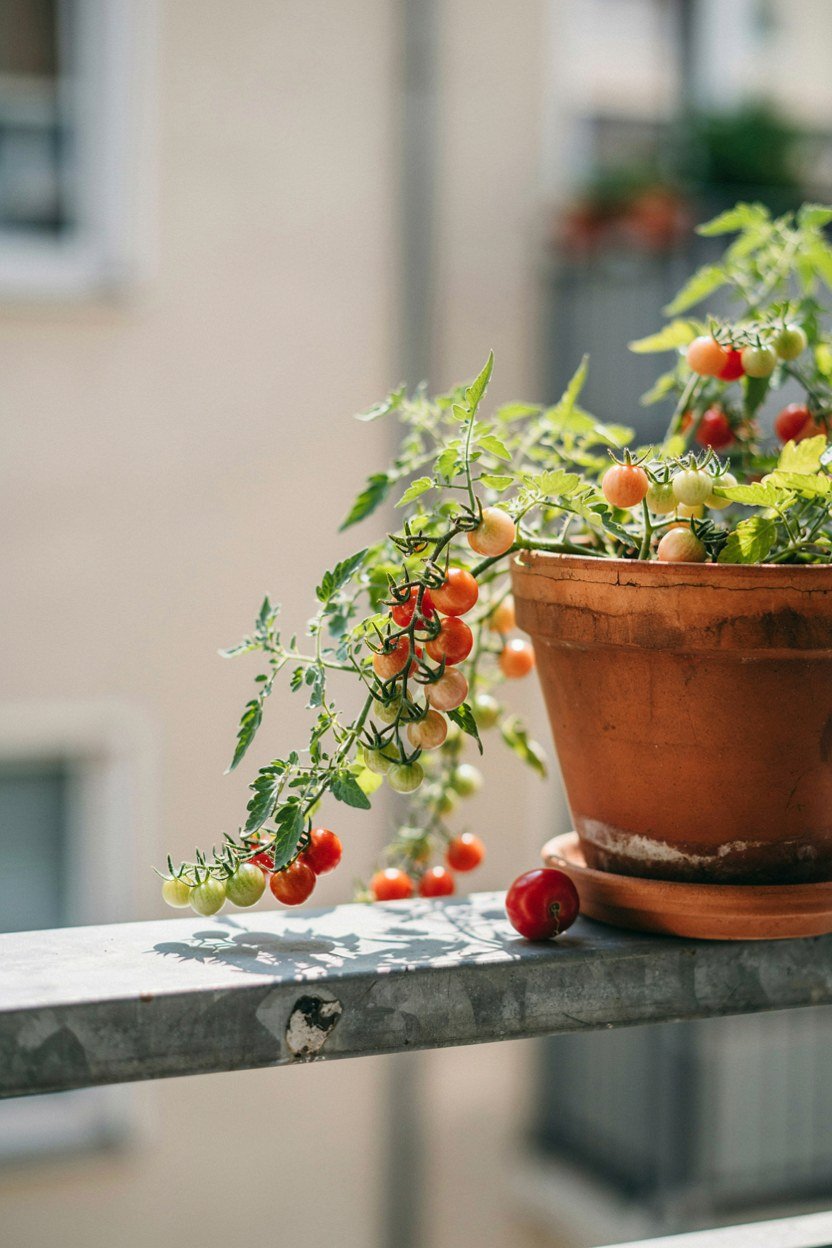
Seed catalogues list patio, dwarf and bush varieties for exactly this situation. They crop as well and take a third of the room.
Tumbling cherry tomatoes suit hanging baskets and rail planters. Bush varieties need no staking at all.
Read the final size on the label rather than the picture. A plant sold as compact can still be four feet tall.
Look for the word determinate on tomato seed. Determinate varieties stop at a set height instead of climbing all season.
12. Add One Perennial For Structure
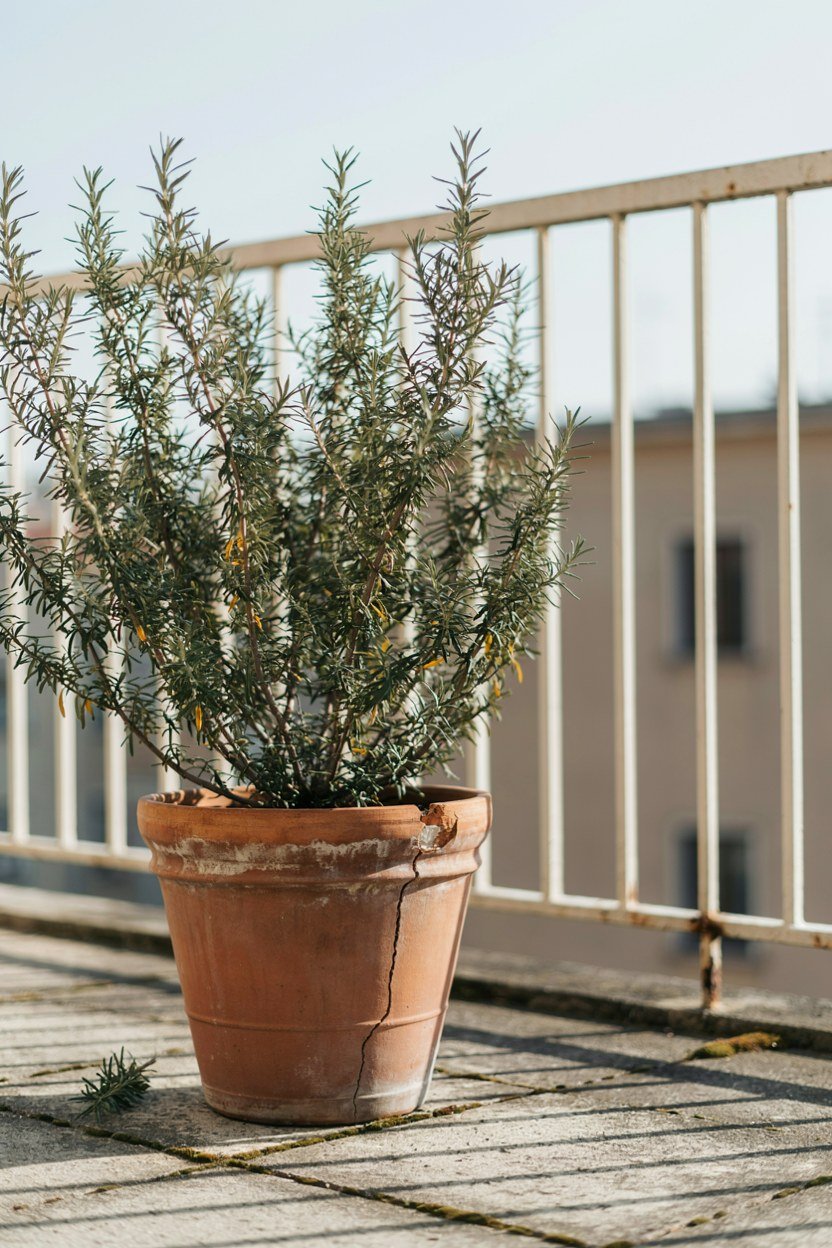
Annual crops leave the balcony empty for months. One perennial keeps it looking like a garden rather than a building site.
Rosemary, thyme, bay or a dwarf fruit tree all work in a large pot. They also carry the balcony through winter.
Give perennials the biggest pot you can. They will live there for years and a cramped root ball limits them permanently.
Trim perennials lightly after flowering. It keeps them compact, which matters far more in a container than in a border.
13. Keep A Small Composting Or Waste Plan
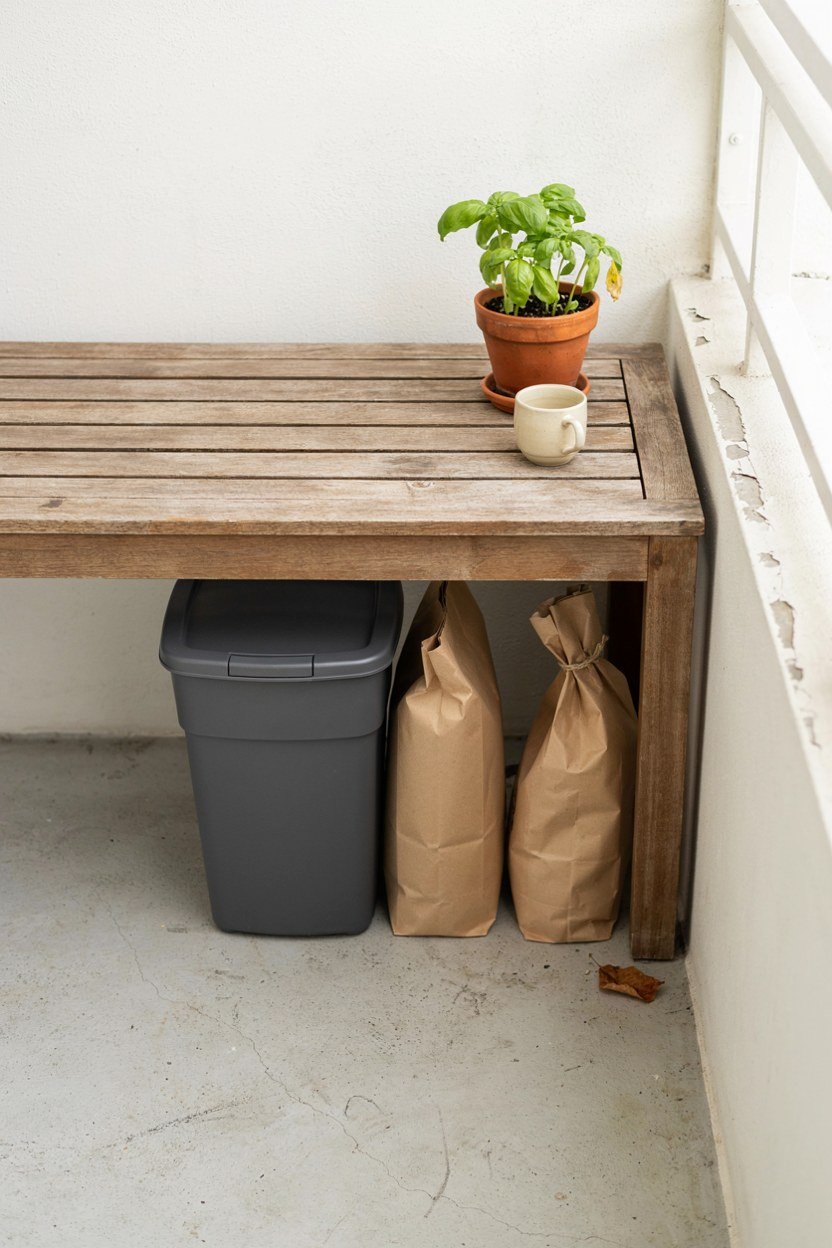
Balcony gardening produces trimmings and spent compost, and there is nowhere to put them. Decide in advance.
A small bokashi bin or a wormery handles kitchen scraps without smell if managed properly. Both fit under a bench.
If neither suits, plan a monthly bag run instead. The plan matters more than the method.
Keep a lidded bucket for spent compost. It stops a half emptied pot sitting around for weeks looking like a building site.
14. Protect Against The Two Balcony Pests
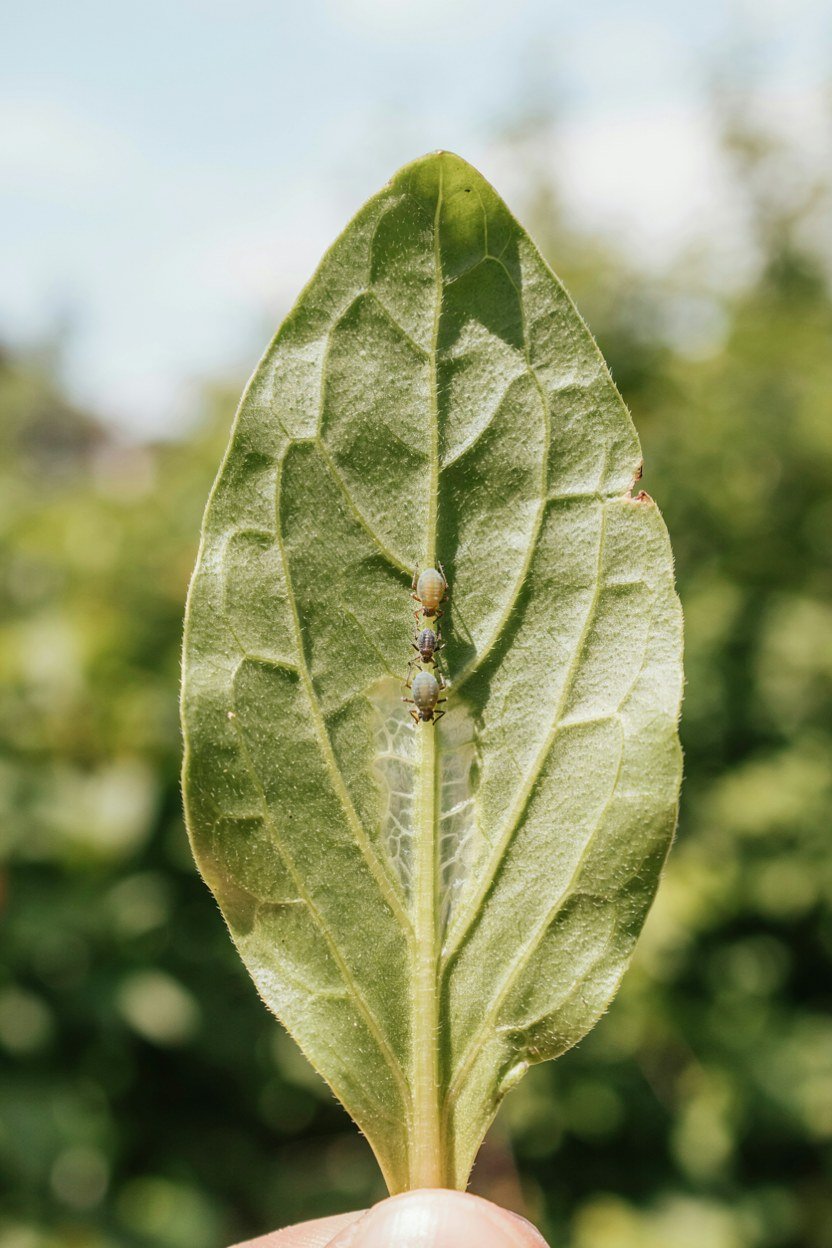
Balconies get fewer pests than gardens, but aphids and vine weevil both arrive eventually, usually in bought compost.
Check the undersides of leaves weekly. Aphids caught early wash off with water and never become a problem.
Vine weevil grubs eat roots and kill a plant before you notice. If a healthy plant wilts suddenly, tip the pot out and look.
Quarantine new plants for a fortnight. Most balcony infestations arrive on something bought rather than flying in.
15. Plan The Winter Before Autumn Arrives
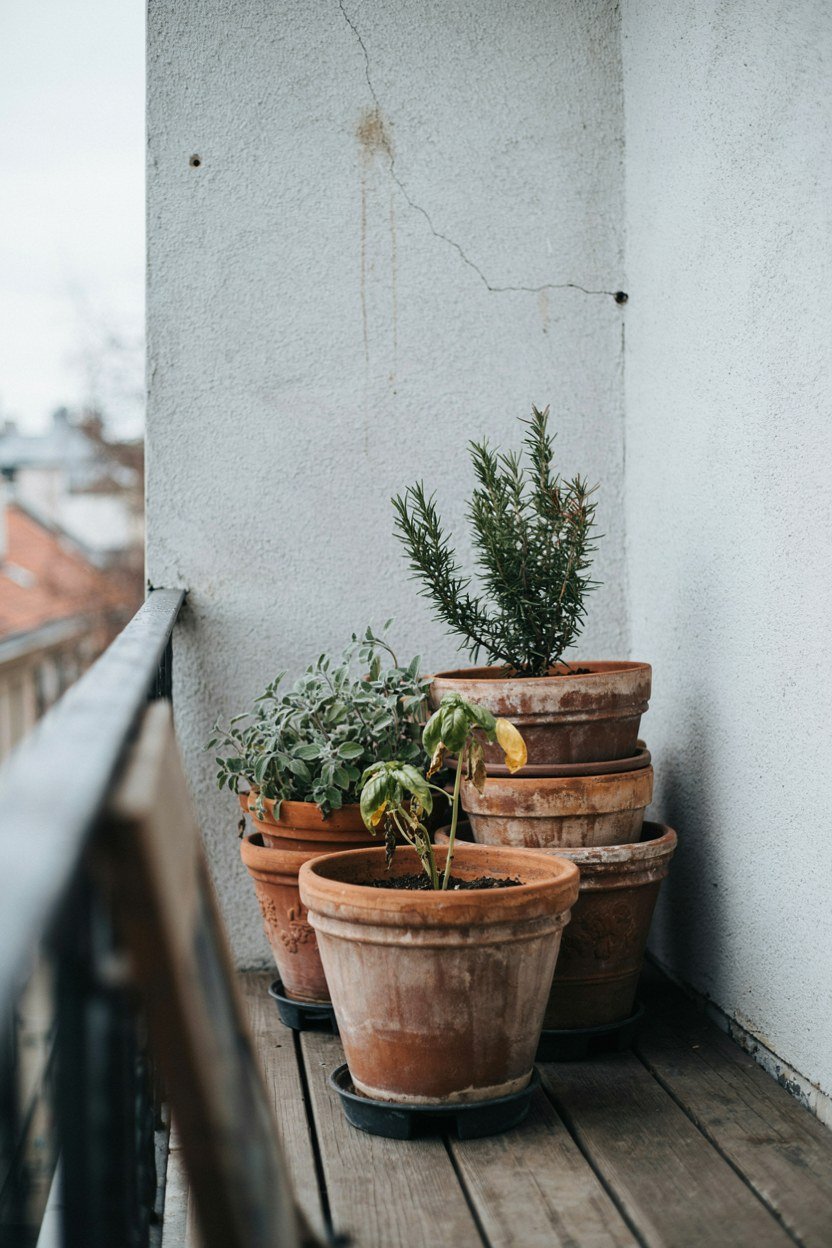
Most balcony gardens die in November because nobody decided what happens next. A little planning keeps something growing.
Hardy herbs, winter salad and chard all keep going through the cold months in a sheltered spot.
Move pots against the wall for shelter and raise them on feet so they drain. Waterlogged frozen roots kill more balcony plants than cold air does.
Group pots together over winter. Clustered containers hold warmth better and shelter each other from wind.
What An Edible Balcony Costs To Start
The pots and compost are the real cost, and they last for years. Plants themselves are cheap by comparison.
I would spend on depth first. Good deep containers and decent compost solve most of the problems a balcony creates.
Watering kit is the upgrade that pays off fastest if you are away often. Everything else can be added a pot at a time.
| Item | Priority | Rough Cost |
|---|---|---|
| Deep containers | Buy once, buy properly | Mid |
| Container compost and grit | Refresh each spring | Low |
| Herb plants | Start with what you cook | Low |
| Rail planters or tiered stand | Doubles usable space | Low to mid |
| Drip kit and timer | Only if you travel | Mid |
| Liquid feed | Small cost, big difference | Low |
Conclusion: The Three Things That Keep A Balcony Producing
Sunlight, pot depth and watering decide whether a balcony feeds you. Get those three right and the plant choice almost sorts itself.
Grow what you cook with, in the deepest pots that fit, and set up watering before you plant anything. That is most of the job.
Then add one perennial so the space still looks alive in February. A balcony that only works in July is a summer hobby rather than a kitchen supply.
Frequently Asked Questions About Edible Balcony Gardens
How much sun does a balcony need to grow vegetables?
Six hours of direct sun for tomatoes and chillies. Salad, mint and parsley manage on three or four.
What is the easiest edible plant for a beginner balcony?
Chives or mint. Both tolerate irregular watering and keep producing after cutting.
How deep should balcony pots be?
At least 10 inches for herbs and 14 for tomatoes or chillies. Shallow pots dry out too fast in summer.
Can I grow tomatoes on a windy balcony?
Only with shelter and staking. A bush or tumbling variety handles wind far better than a tall cordon type.
How often should I feed plants in containers?
Every two weeks through the growing season. Watering flushes nutrients out of the pot much faster than in open ground.
What can I grow on a balcony in winter?
Hardy herbs, winter salad leaves and chard. Move pots against the wall and raise them so they drain freely.
Do rail planters damage a balcony railing?
Not if the fixings are rated for the wet weight, which is roughly double dry. Check your building rules before fitting any.