
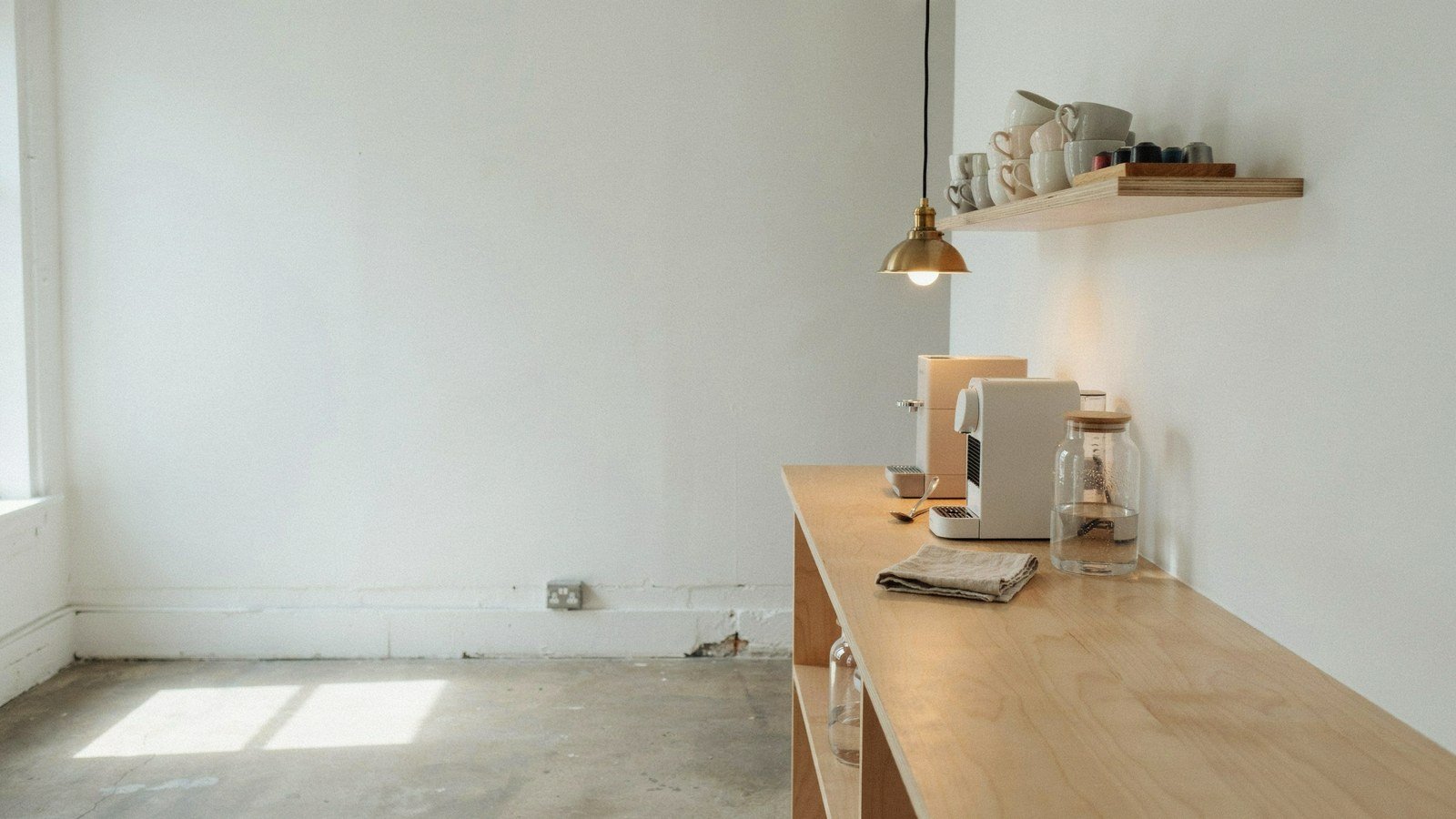
A coffee station earns its space when a client can help themselves without asking you a single question. That is the whole test.
I have watched people hover awkwardly beside a beautiful machine they had no idea how to use. The station looked great and did nothing for the mood.
So this guide covers the fifteen decisions that actually matter, from where the counter goes to how you clean it between appointments. Most of them cost very little.
Why A Studio Coffee Station Changes How Clients Feel
The first two minutes of an appointment set the tone, and a warm drink fills them usefully. Your client has somewhere to stand, something to hold and a reason to relax.
It also buys you time. While the kettle runs I can finish notes, reset the room or take a call without anyone feeling ignored.
The practical payoff shows up in reviews. People rarely mention the coffee itself, but they mention feeling looked after, and this is one of the cheapest ways to produce that.
| Studio Type | Best Drink Setup | Why It Fits |
|---|---|---|
| Photography | Pod machine plus tea | Fast between setups |
| Beauty or nails | Drip pot kept warm | Hands free service |
| Design or consulting | Small espresso machine | Longer sit down meetings |
| Fitness or yoga | Water and herbal tea | Coffee suits the space badly |
1. Pick The Corner Before You Buy Anything
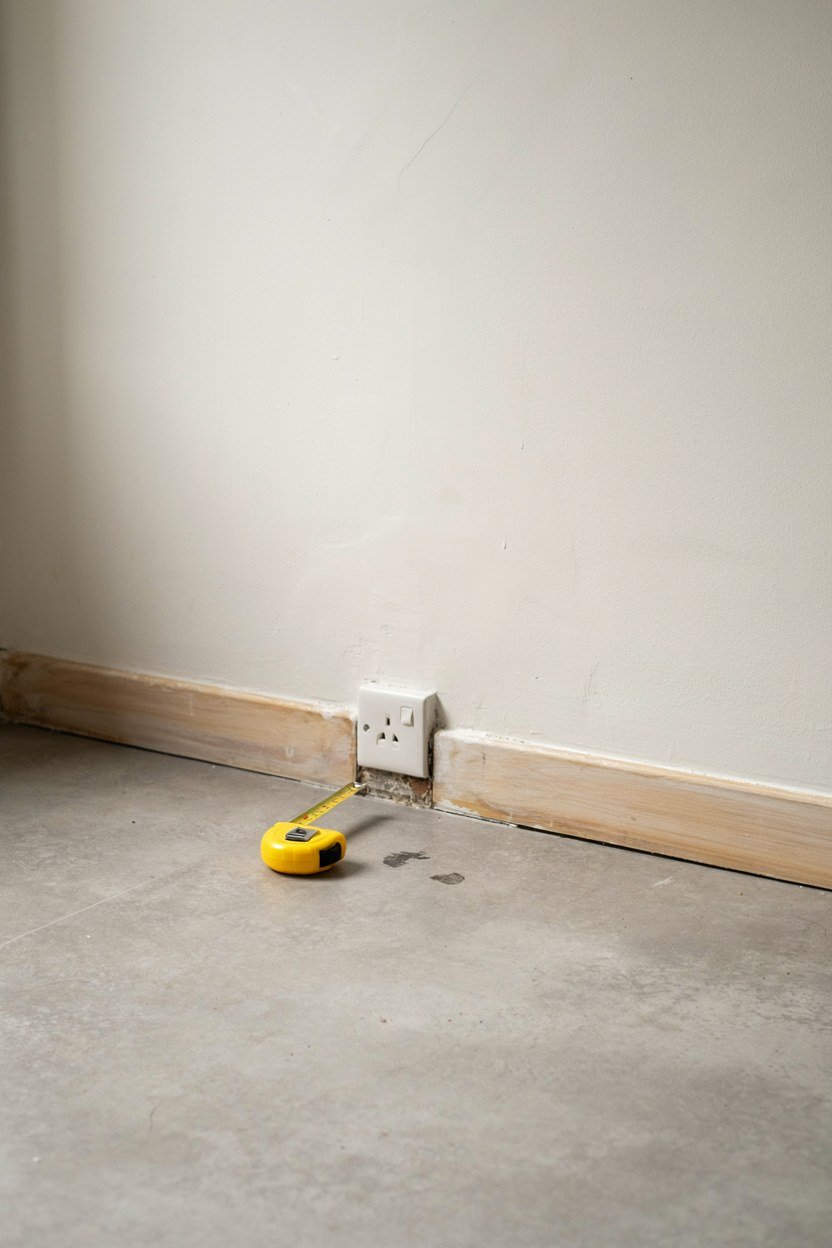
Choose the spot first, because it decides every other purchase. I look for a wall near power, away from the working area, and visible from where clients wait.
Walk the route a client takes from the door. If they have to cross your workspace to reach the coffee, the station is in the wrong place.
Think about noise as well. A machine that grinds beans behind a client having a quiet consultation is a mistake you only make once.
2. Choose A Coffee Maker That Matches Your Client Flow
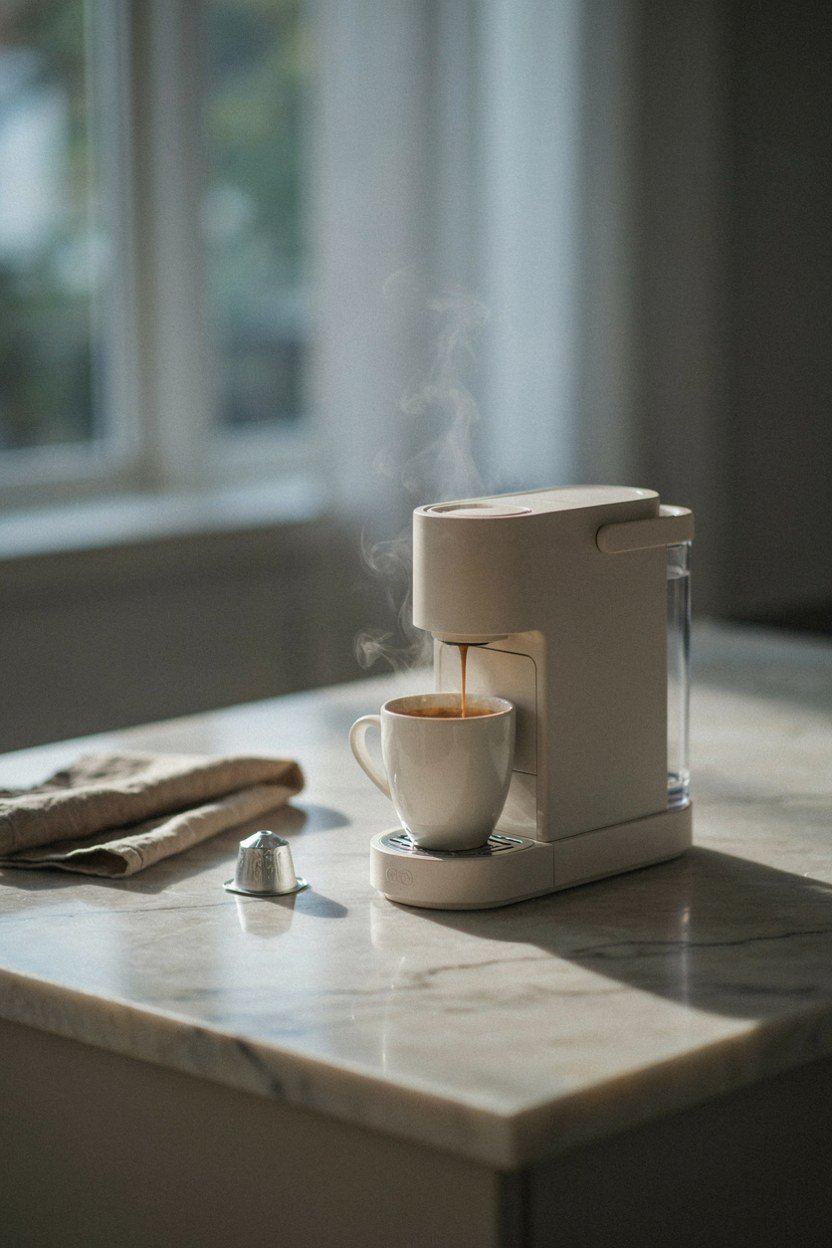
Match the machine to how long people stay. Pod machines suit quick appointments, a drip pot suits back to back clients, and espresso suits longer sessions where the ritual is part of the experience.
I would rather have a simple machine that everyone can operate than an impressive one that needs a demonstration. Complexity creates hesitation, and hesitation defeats the point.
Descaling is the hidden cost. Check how the descale cycle works before you buy, because a neglected machine tastes worse than instant.
3. Build The Counter At The Right Working Height
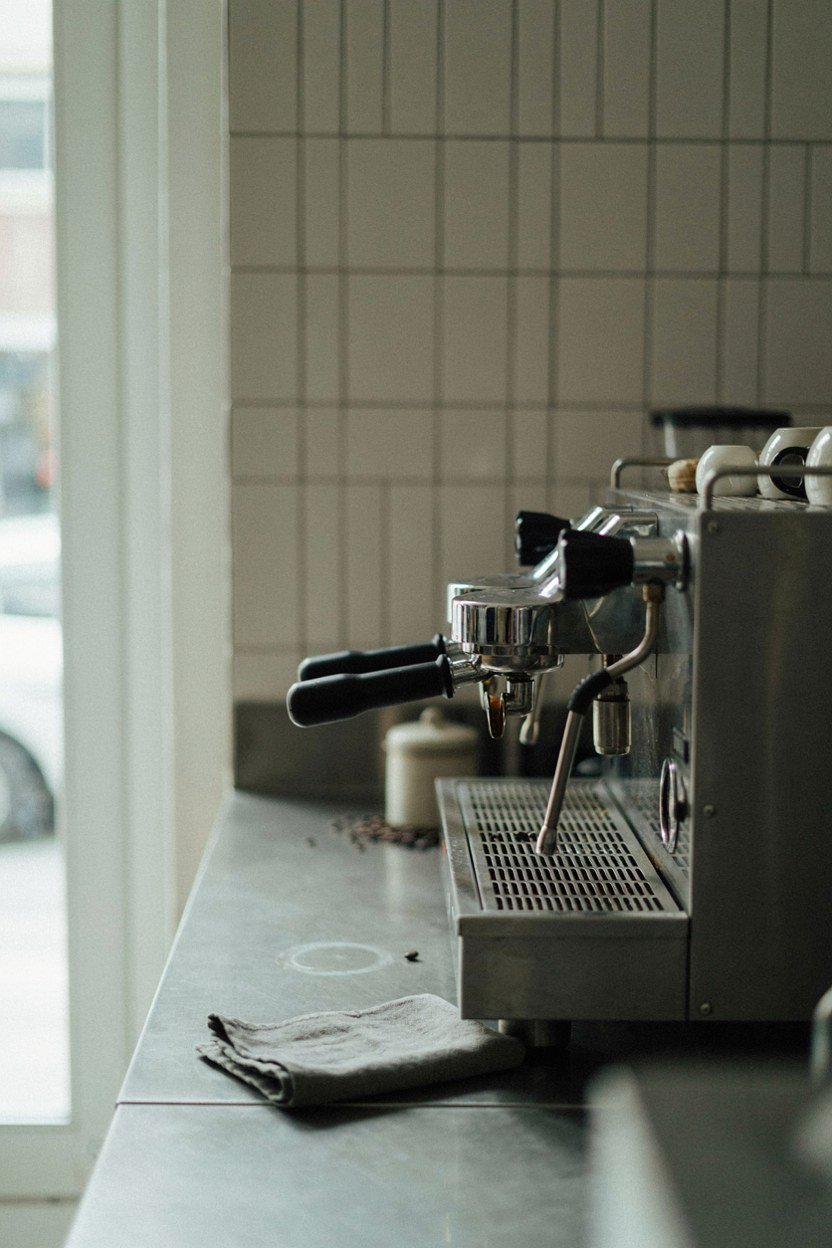
Standard counter height of about 36 inches works for most people. Anything lower turns pouring into a stoop, and anything higher makes a full mug awkward to lift.
Give yourself at least 24 inches of clear surface. That is enough for the machine, a mug and a hand, which is all the room a client needs.
Depth matters as much as height. Fifteen inches is plenty for most machines and stops the unit crowding a narrow studio.
4. Plan Water Before You Plan Anything Else
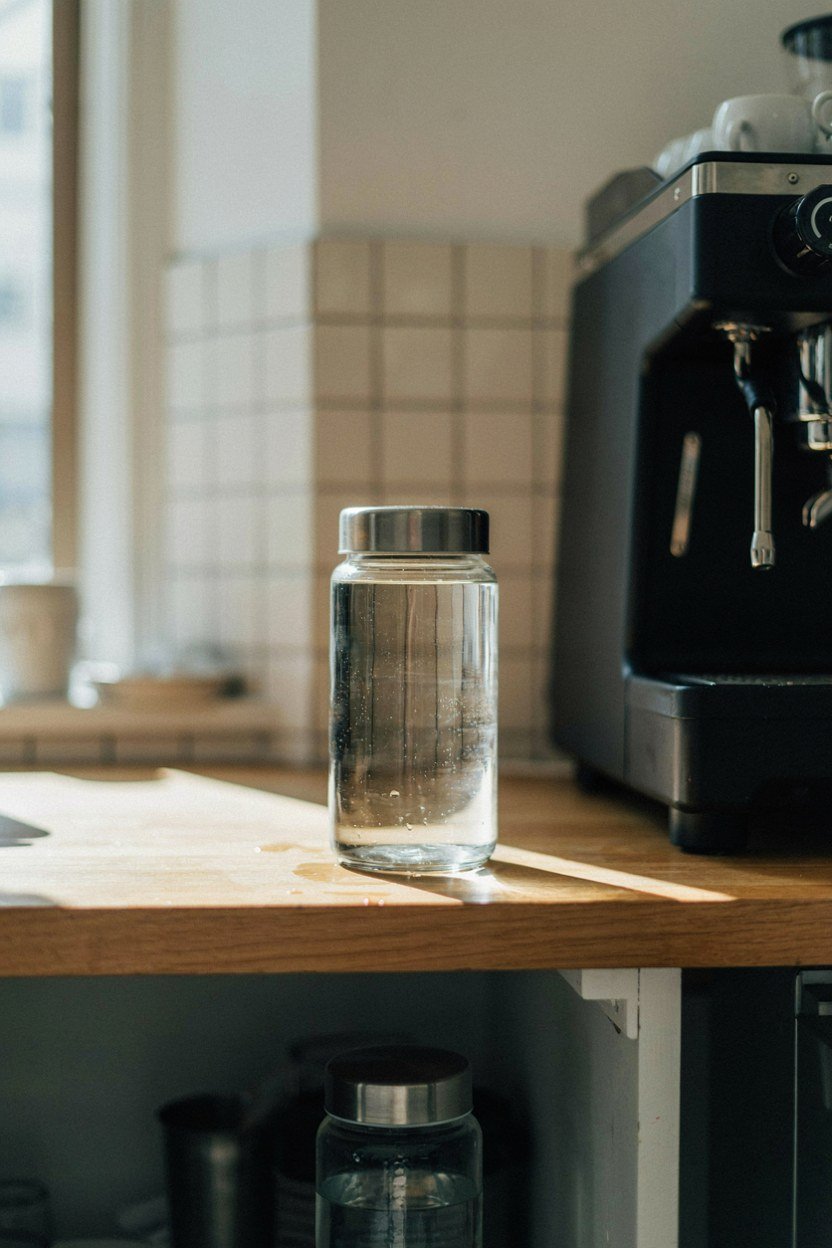
Water access decides how much work the station creates. A small sink is ideal, though most studios manage perfectly well with a covered jug and a discreet waste jug underneath.
I refill mine at the start of the day and again at lunch. Two refills covers a normal client list without me thinking about it again.
Filtered water repays the small effort. Hard tap water scales the machine faster and dulls the taste, and clients do notice a bitter cup.
5. Keep Beans, Pods And Cups Within One Reach
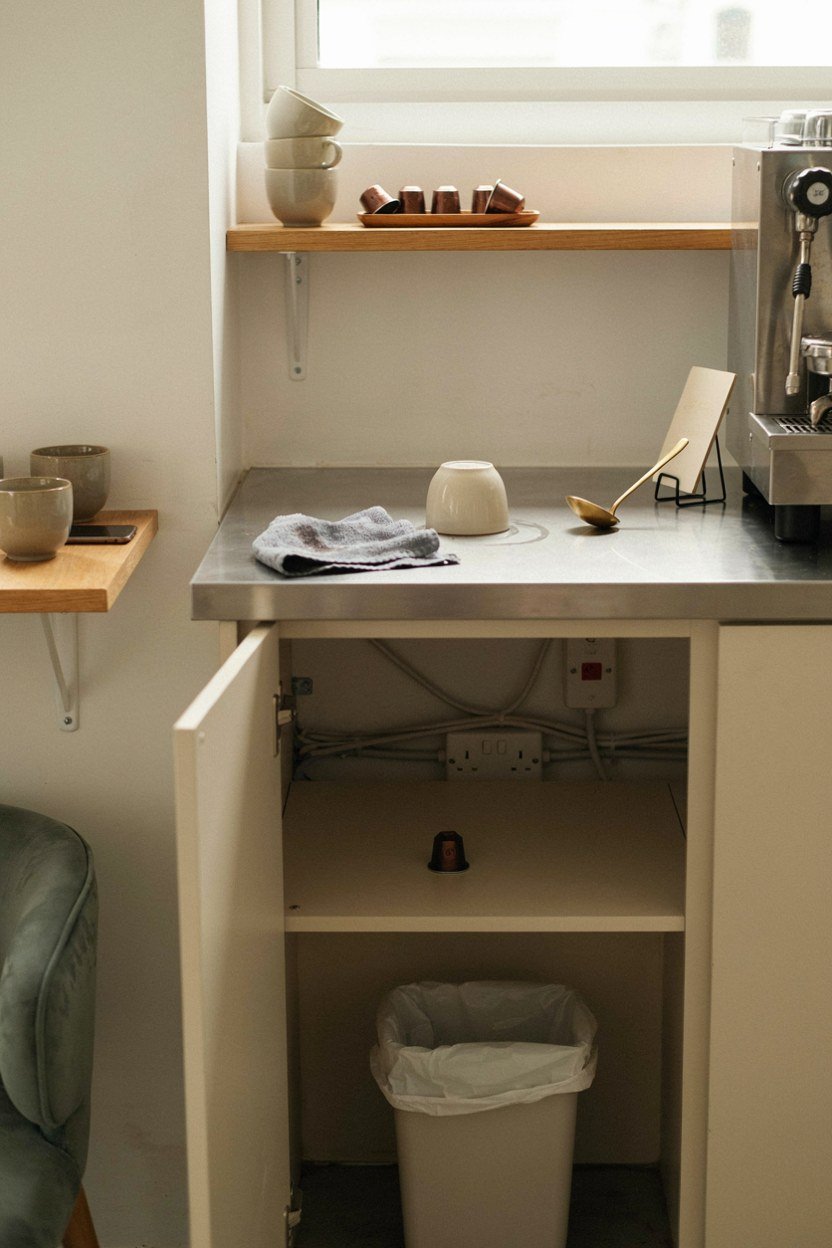
Everything a client needs should sit within arm’s reach of the machine. Reaching into a cupboard across the room is the moment they give up and say they are fine.
I use one open shelf and one closed drawer. Cups and pods live on the shelf where people can see them, and refill stock hides in the drawer.
Label the drawer if anyone ever covers for you. A five second search in front of a client reads as disorganised.
6. Offer Three Milk Options And Stop There
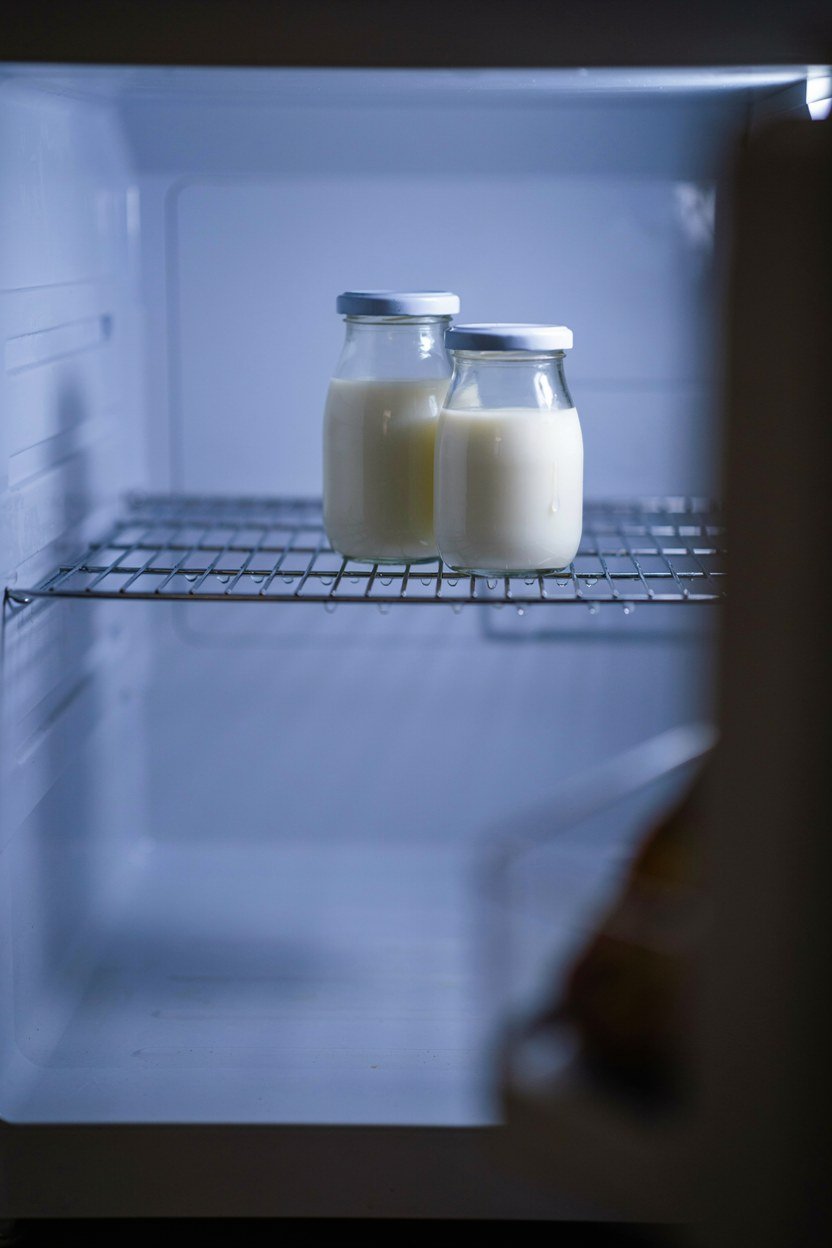
Three is the sweet spot: whole, oat and one more. Any more and you are running a cafe, storing stock you will throw away and cleaning jugs you do not need.
Oat has become the default alternative in most studios I visit. Keep it in a small jug in a compact fridge rather than leaving a carton on the counter.
Watch the dates. Small studios throw away more milk than they pour, so buy the smallest cartons your supplier stocks.
7. Add A Tea Option For The Non Coffee Drinkers
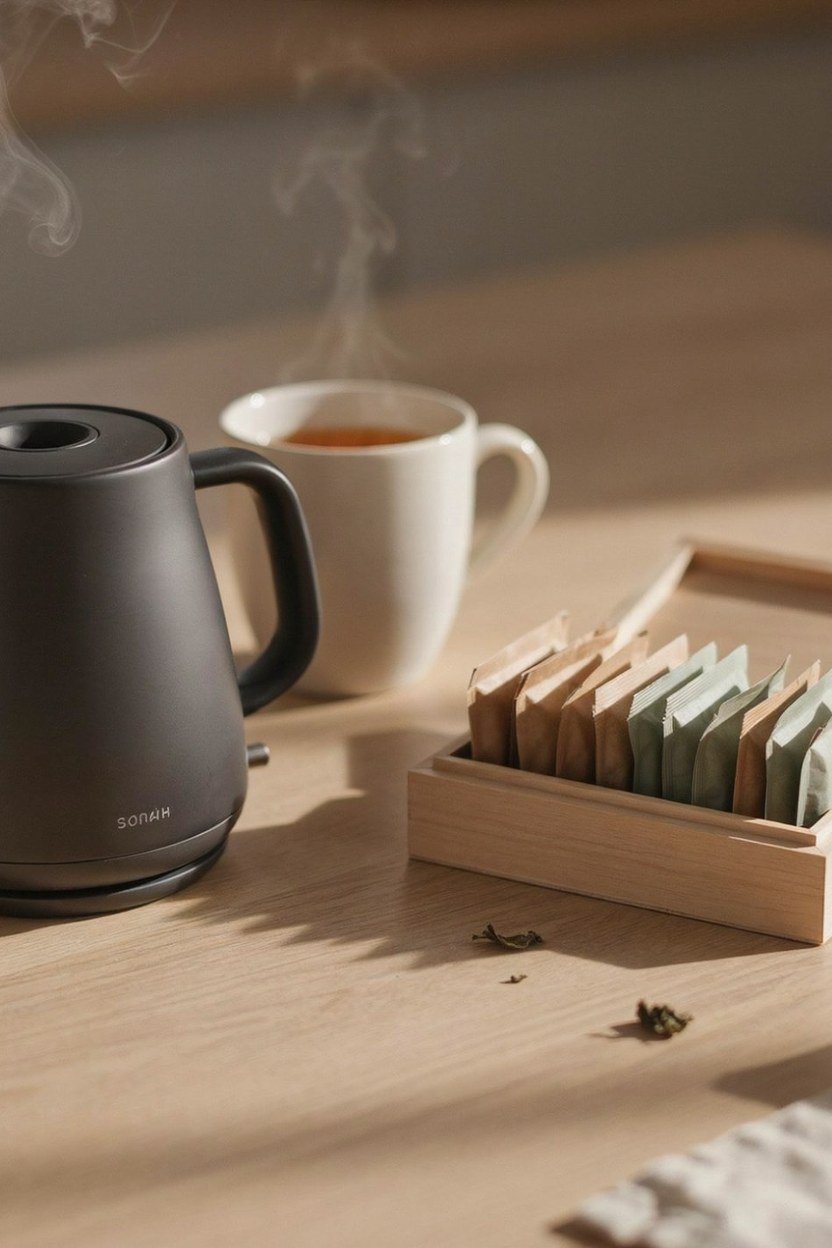
Roughly a third of clients will not want coffee, so a tea option is not optional. A small box with black, green and one herbal covers nearly everyone.
Keep the kettle separate from the coffee machine if you have room. Two people can then serve themselves at once, which matters when appointments overlap.
Keep the tea visible. Non coffee drinkers often assume there is nothing for them and will not ask, so the box has to sit on the shelf.
8. Pick Mugs That Match Your Studio Branding
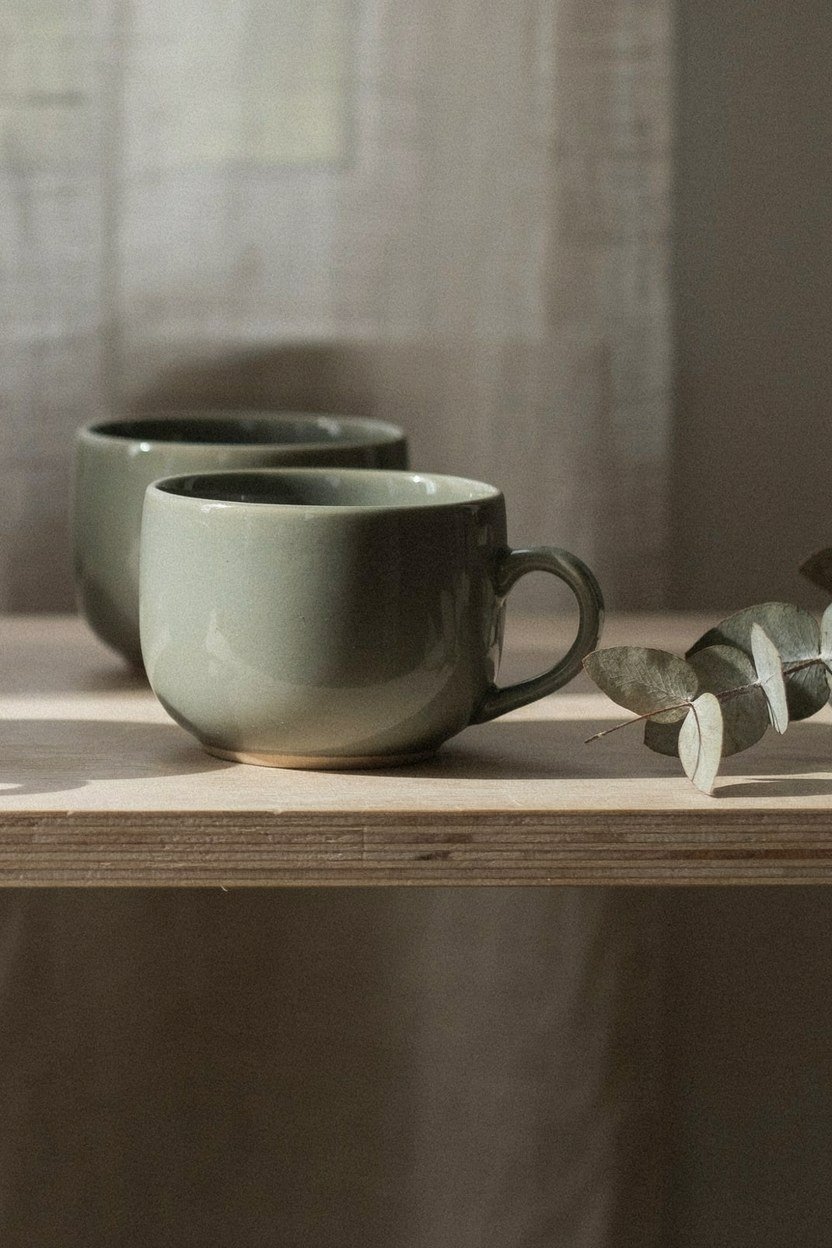
Mugs are the item clients actually touch, so they carry more brand weight than the machine does. Match them to your studio palette rather than whatever was in the cupboard.
Buy twice as many as you think you need. Stoneware in a single colour looks considered and survives a dishwasher, which matters more than the design.
Skip the printed logo. Branded mugs date quickly and chip at the rim, while a plain colour matched to your walls always looks current.
9. Light The Station So It Reads As An Invitation
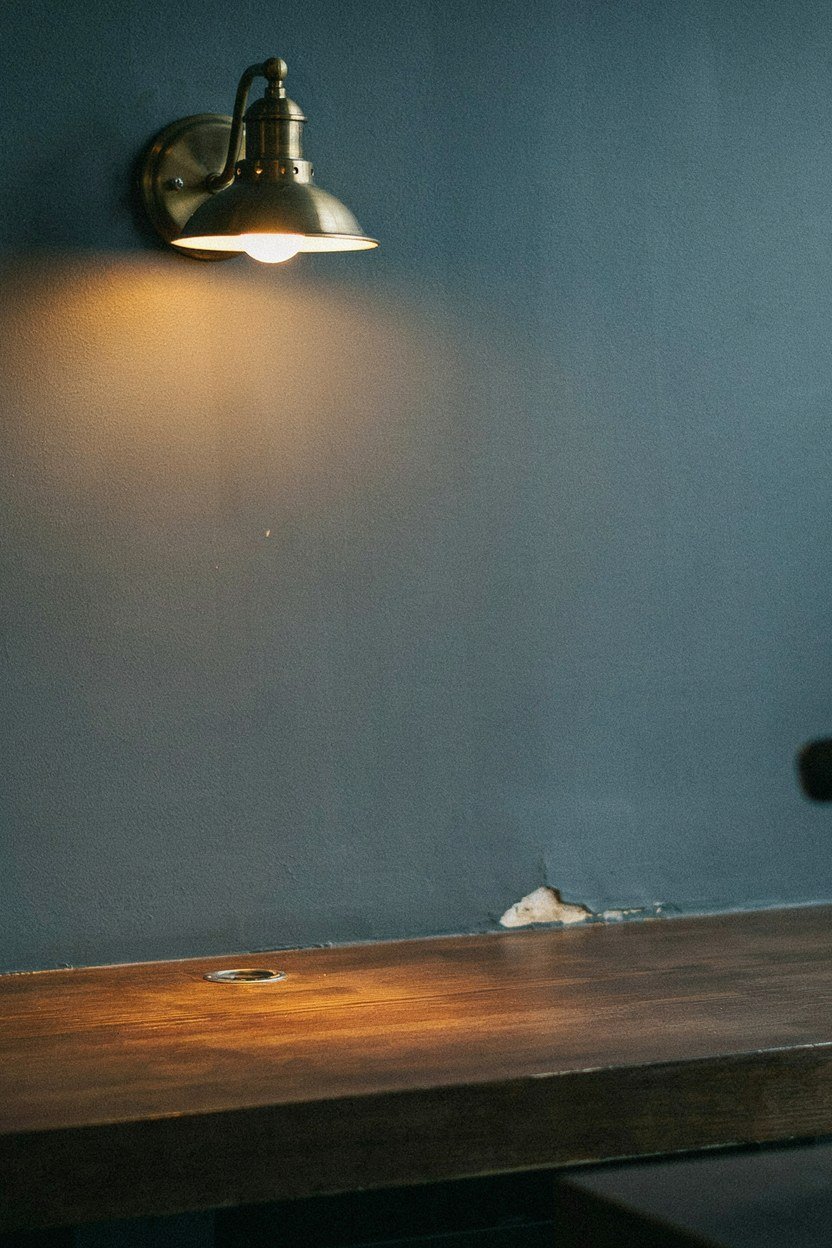
A dark corner reads as storage, not hospitality. One warm light over the counter turns the same shelf into somewhere people feel allowed to go.
I run a small plug in sconce or a strip under the upper shelf at 2700K. Cold white light makes the whole area feel like a staff kitchen.
Put it on the same switch as the waiting area. That is one less thing to remember when you open up in the morning.
10. Use A Tray To Contain The Mess
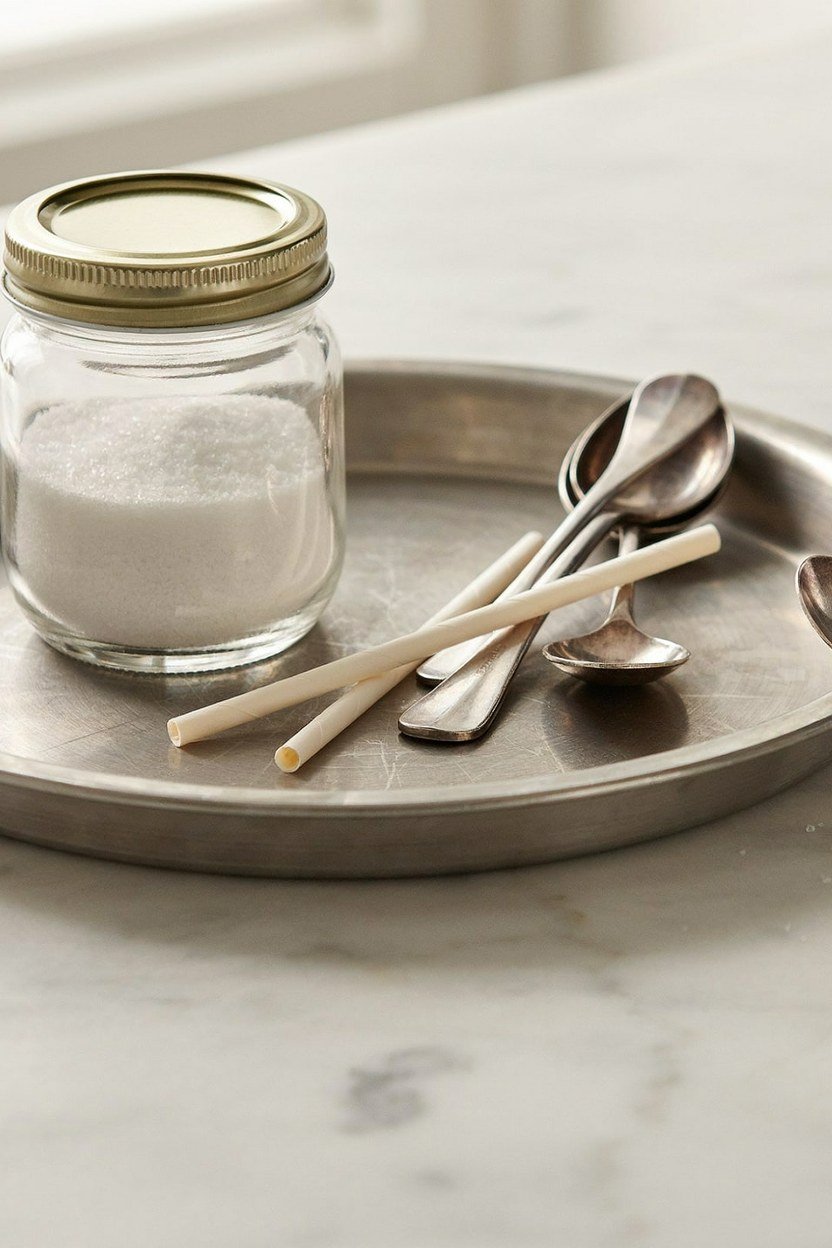
A tray does two jobs. It catches drips before they reach your counter, and it visually groups the sugar, spoons and stirrers into one tidy object.
Choose one with a lip. I learned this after a client knocked a full cup and the tray held every drop of it.
Pick a wipeable surface. Bare wood looks good and stains, so a sealed finish or powder coated metal survives daily use far better.
11. Hide The Bin But Keep It Close
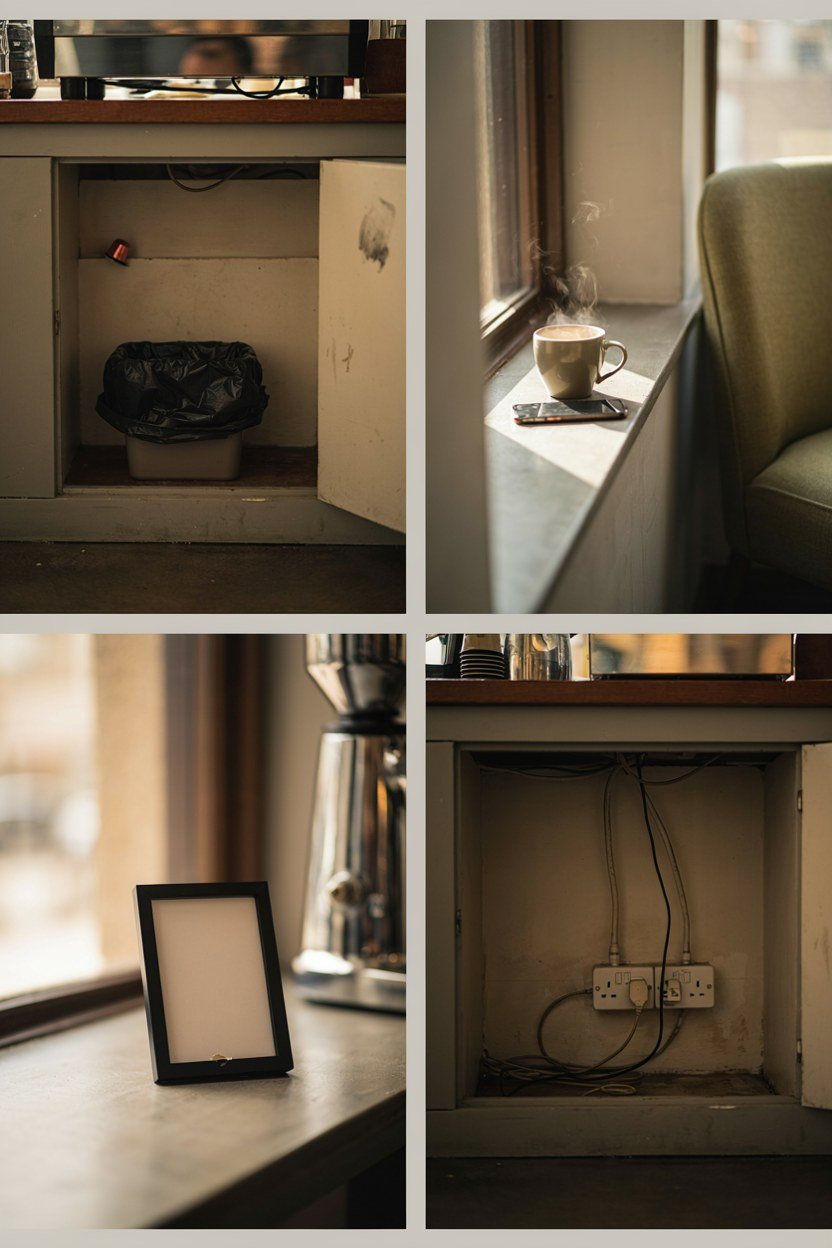
A visible bin ruins the look, and a distant bin means cups pile up on your counter. Put a small covered bin inside the cabinet directly below the station.
Line it with something you can lift out fast. Between appointments you want that swap to take five seconds, not a trip across the studio.
Empty it at lunch rather than at closing. A bin holding three hours of milk cartons announces itself before anyone opens the cupboard.
12. Give People Somewhere To Put The Cup Down
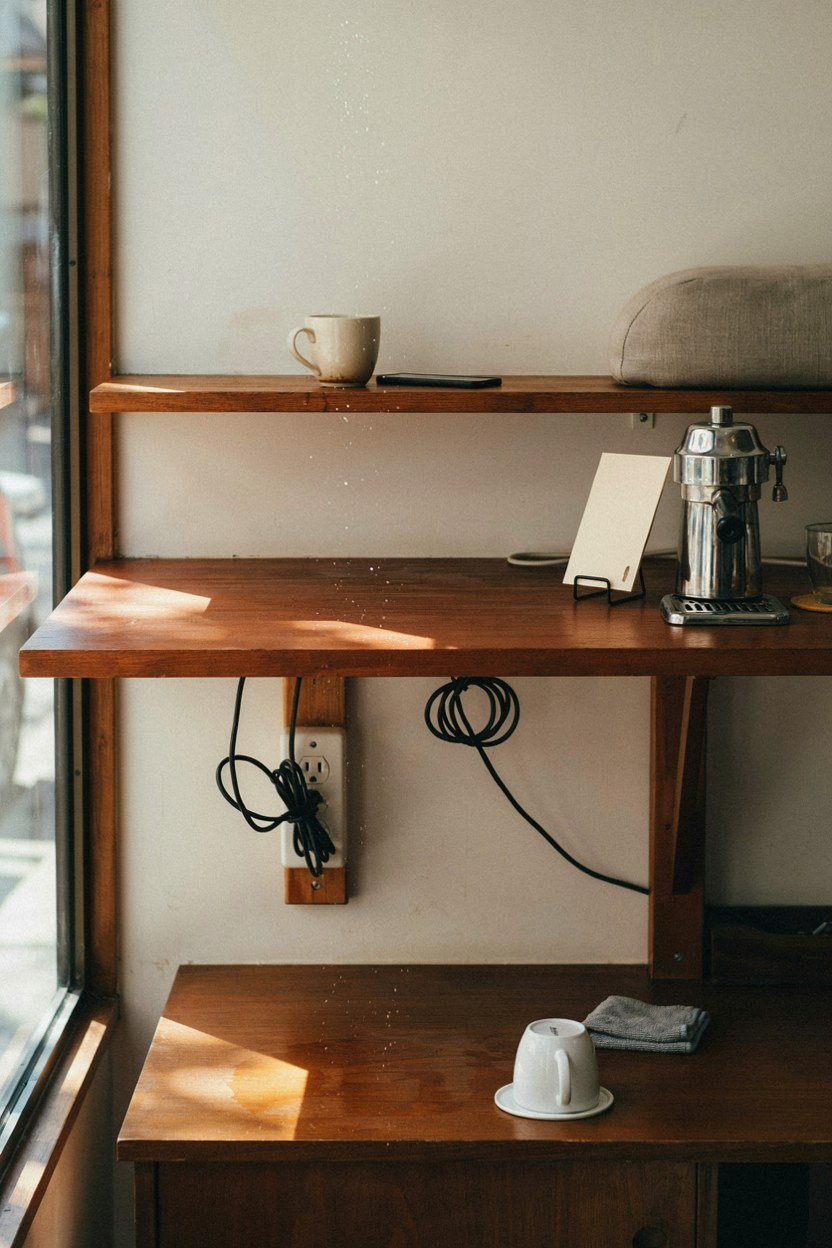
A cup with nowhere to go ends up on your equipment. A narrow ledge, a side table or a stool beside the waiting seat solves it completely.
Twelve inches of depth is enough. It only has to hold a mug, a phone and maybe a set of keys.
Add a couple of coasters. It sounds fussy until a wet ring appears on the one surface you photograph for your website.
13. Add A Short Menu Card And Simple Signage
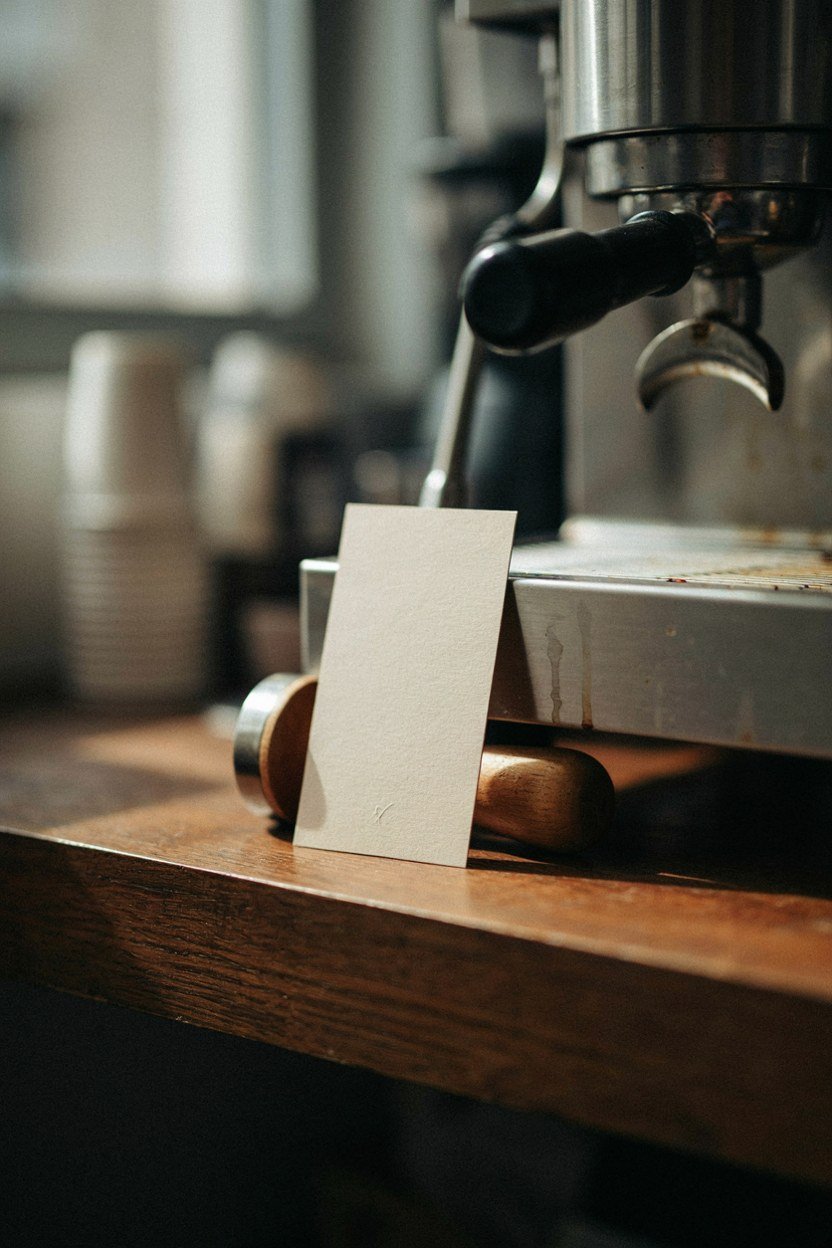
A small card removes the need to ask. List what is available in four lines and add one line telling clients to help themselves.
I keep mine in a small standing frame beside the machine. It stops the same conversation happening fifteen times a week.
Update the card when stock changes. Offering something you ran out of last week is worse than offering nothing at all.
14. Sort Out Power And Cable Management Early
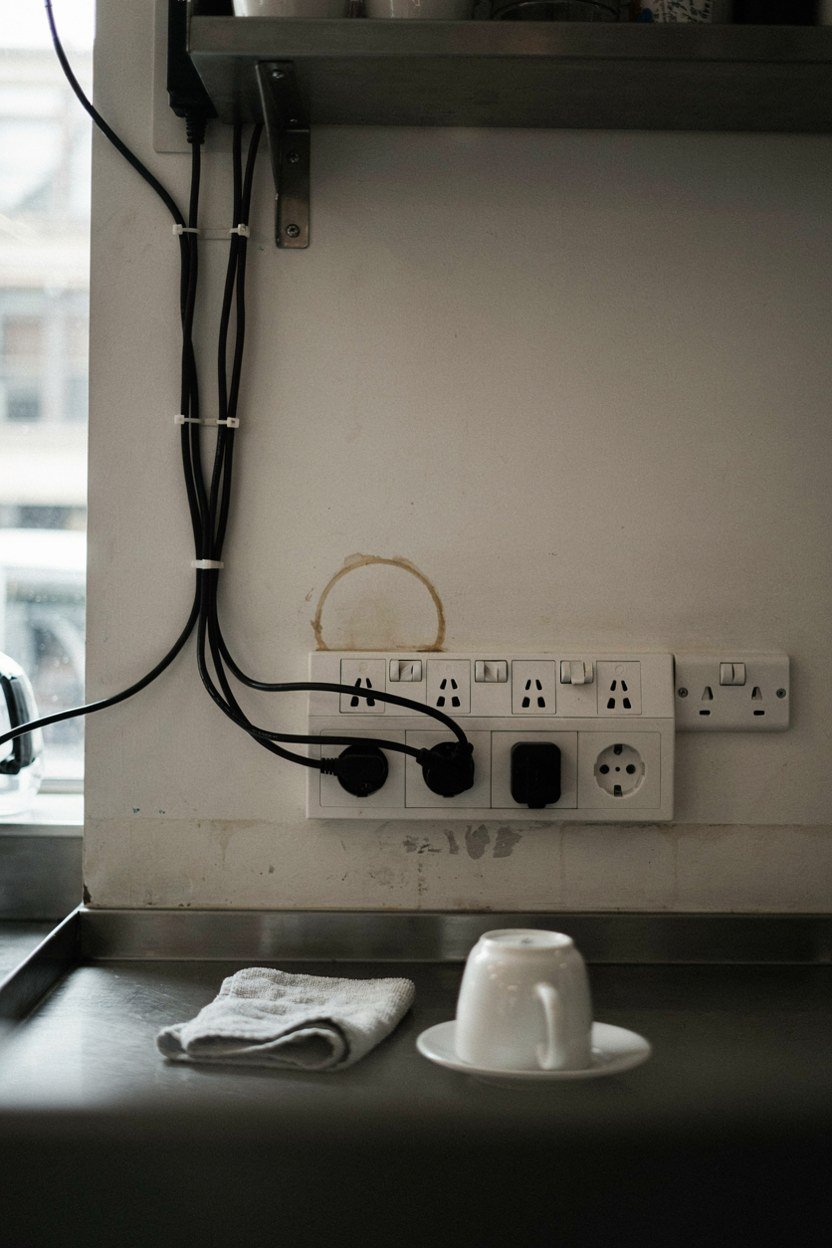
Count your plugs before you commit to a spot. A machine, a kettle, a fridge and a light add up faster than people expect, and a trailing extension lead undoes the whole look.
Run cables behind the unit and clip them to the back panel. Five minutes of tidying reads as care in every photograph of your space.
Check the total load too. A kettle and a machine on one circuit trips more studios than people expect, especially in older buildings.
15. Set A Two Minute Reset Between Clients
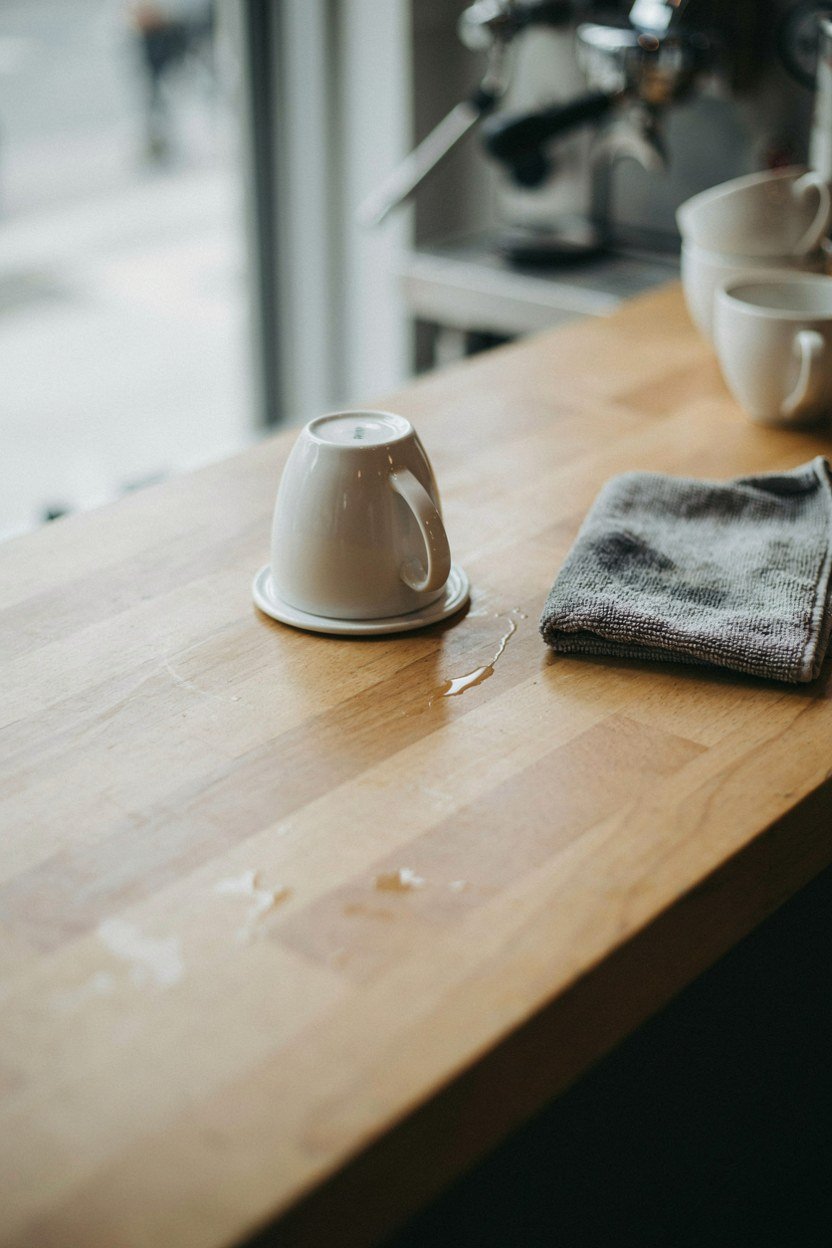
Decide the routine once and repeat it. Mine is wipe the counter, rinse the used mug, check the milk and straighten the tray, and it takes under two minutes.
Write it on a card inside the cabinet door if other people use your studio. Standards slip the moment the routine lives only in your head.
Do the reset before the next client arrives rather than after the last one leaves. The difference sounds small and it is the entire habit.
What I Would Spend On A Studio Coffee Station
You can build a genuinely good station cheaply, and the expensive parts are rarely the ones clients notice. Mugs, lighting and a tidy counter do more than the machine.
I would put money into the machine only if drinks are part of a longer appointment. For quick visits a reliable pod machine looks after itself.
Add the small comforts last, once you know how clients actually use the corner. Habits will surprise you and save you buying things nobody touches.
| Item | Priority | Rough Spend |
|---|---|---|
| Coffee machine | Buy once, buy reliable | Mid |
| Mugs and tray | Highest visible impact | Low |
| Warm task light | Changes the mood most | Low |
| Compact fridge | Only if you serve milk daily | Mid |
| Counter or cabinet | Secondhand works fine | Low to mid |
| Signage and menu card | Removes every question | Very low |
Conclusion: The Three Things That Matter Most
If you do only three things, place the station on the client side of the room, light it warmly and make it obvious that people may help themselves. Those three cover most of the welcome.
The equipment matters less than the clarity. A simple machine everyone can use beats a good one that needs explaining, every single time.
Then protect it with a routine. A station that looks cared for at four in the afternoon says more about your studio than anything you could put on the wall.
Frequently Asked Questions About Studio Coffee Stations
How much space does a studio coffee station need?
About three feet of counter width is enough. That fits a machine, a mug and the cups without anything feeling cramped.
Should I offer coffee if appointments are short?
Yes, but keep it fast. A pod machine or a warm drip pot serves a client in under a minute, which suits back to back bookings.
Do I need a sink for a coffee station?
No. A covered water jug for filling and a second jug for waste handles a full day in most studios.
What is the best milk option to keep in a studio?
Whole milk and oat covers almost everyone. Store both in a small fridge rather than leaving cartons out on the counter.
How do I stop the coffee station looking messy?
Use a tray to group the small items and hide the bin inside the cabinet below. Most visual mess comes from loose sachets and spoons.
Is a coffee station worth it for a home studio?
Very much so. It signals that the space is a working studio rather than a spare room, which changes how clients treat the appointment.