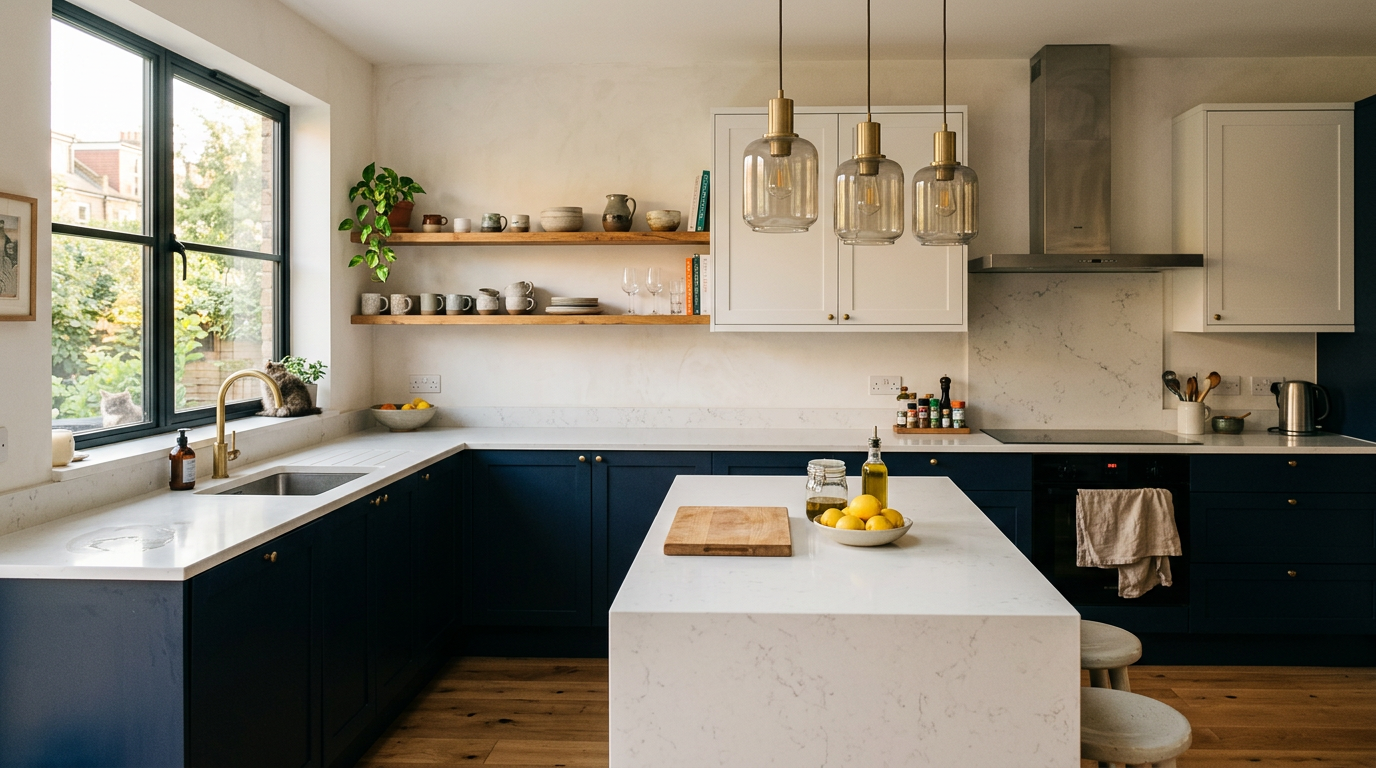
My kitchen used to be the room I avoided showing guests. It looked fine in photos but fell apart the moment I actually cooked in it. Drawers stuck, counters cluttered fast, and nothing about it felt like “me.”
That changed once I stopped chasing trends and started asking a simpler question. Does this choice make my kitchen work better, or does it just look good on a moodboard? Modern kitchen design ideas only earn their place when they answer yes to both.
This guide walks through practical, real-world ways to build a kitchen that looks sharp and actually holds up to daily life. I have tested most of these ideas in my own space, so nothing here is theory. Let us get into what actually works.
What Makes a Kitchen Both Beautiful and Functional
A kitchen earns the word “functional” when you stop thinking about it. You reach for the pan, it is there. You need counter space, it is clear. The moment a kitchen makes you plan around it, something in the layout or design has gone wrong.
Beauty in kitchen design is not about matching every trend you see online. I learned this the hard way after copying a all-white kitchen look that photographed well but showed every smudge within a day. Real beauty holds up under fingerprints, spills, and a Tuesday night rush.
The best modern kitchens I have seen, in real homes and not just catalogs, treat form and function as one decision, not two. A cabinet is chosen for how it opens as much as how it looks. A countertop is picked for how it wears, not just how it photographs. That mindset is the foundation for every idea in this guide.
Open Shelving Paired With Closed Cabinets

I resisted open shelving for years because I assumed it meant constant dusting. Turns out the trick is balance, not going all in on open shelves everywhere.
Keep your daily mugs and bowls on open shelves where they stay in rotation and never gather dust. Save the closed cabinets for pots, small appliances, and anything you do not want on display.
This mix gives a kitchen visual breathing room without sacrificing storage. It also makes a small kitchen feel less boxed in, since open shelves break up heavy cabinet walls.
Two-Tone Cabinet Colors
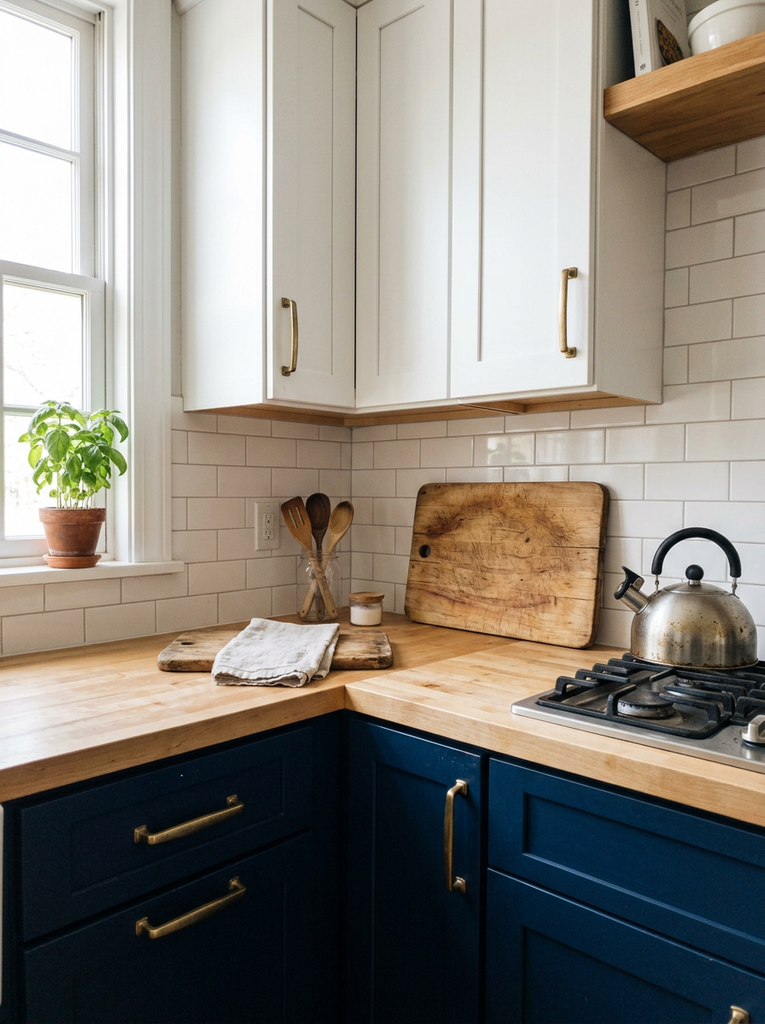
Two-tone cabinets are one of the easiest ways to modernize a kitchen without a full renovation. Pair a darker tone on the lower cabinets with a lighter shade up top, or use a contrasting island color against neutral perimeter cabinets.
I did this in my own kitchen with navy lower cabinets and white uppers, and it changed the whole room without touching a single wall. The contrast adds depth that an all-one-color kitchen just cannot match.
If you are unsure where to start, keep the darker tone below eye level. It grounds the room and hides scuffs far better than pale cabinetry near the floor.
Statement Kitchen Islands

An island is often the first thing people notice, so it deserves more thought than matching it to the rest of the cabinetry. A contrasting color, a waterfall countertop edge, or a mixed material base can turn it into the room’s focal point.
Function matters just as much here. Build in outlets, seating overhang, or a small prep sink if your layout allows it.
My island does double duty as a breakfast bar and homework station, and that flexibility is why it gets used every single day. A beautiful island that nobody sits at is wasted square footage.
Durable, Low-Maintenance Countertops
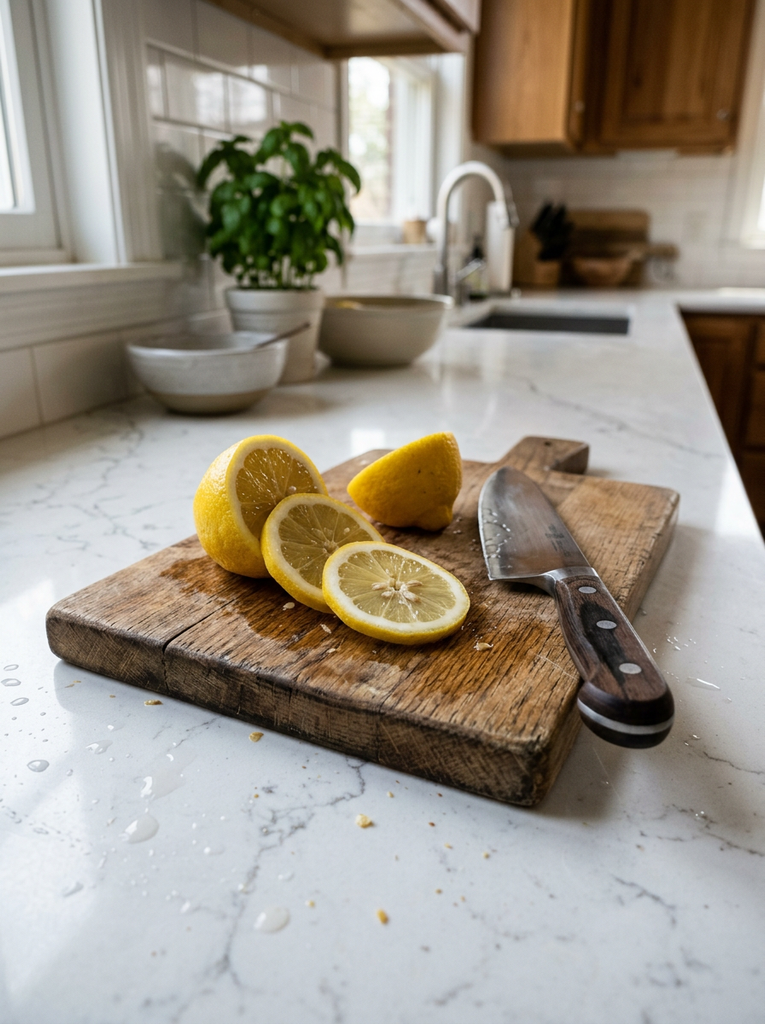
Quartz countertops remain a top pick for modern kitchens because they resist stains, scratches, and heat better than most natural stone. Granite and quartzite are solid alternatives if you want more natural veining.
I switched from laminate to quartz two years ago, and the difference in daily upkeep alone made it worth the cost. No sealing, no worrying about wine rings overnight.
Whichever material you choose, test a sample in your actual kitchen lighting first. Countertop colors and countertops in general can look completely different under warm bulbs versus daylight.
Layered, Functional Lighting
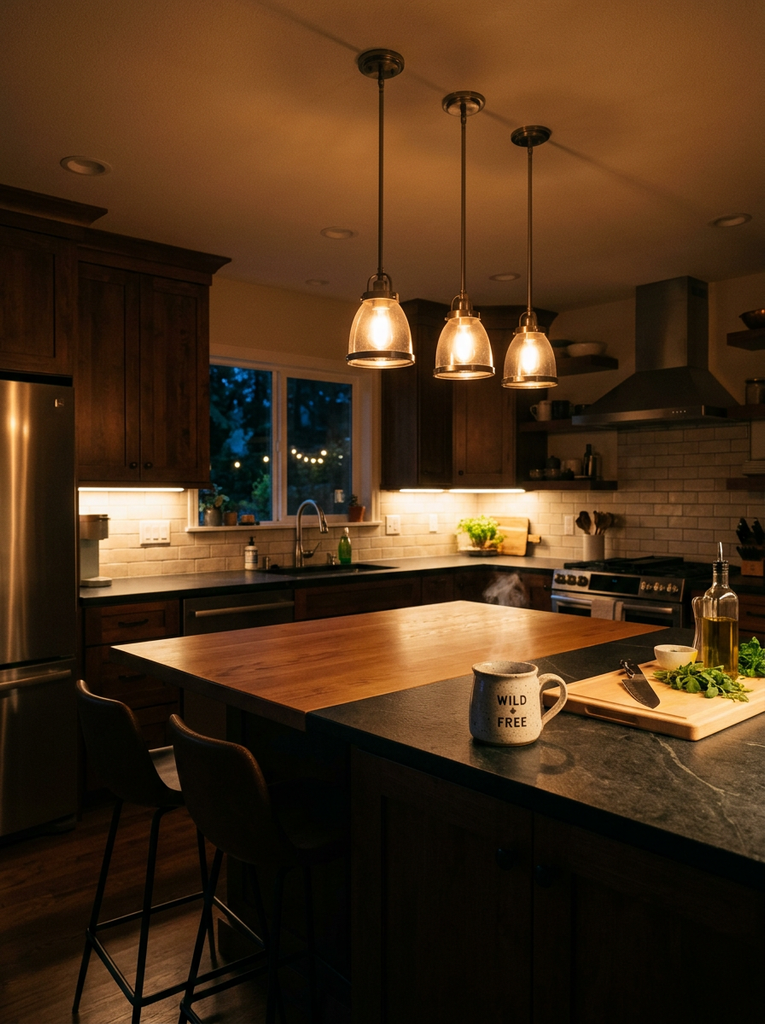
A single overhead light is rarely enough for how a kitchen actually gets used. Task lighting under cabinets, ambient lighting overhead, and accent lighting inside glass cabinets each serve a different purpose.
Under-cabinet lighting made the biggest difference in my own space, since it lit up the counters exactly where I chop and prep. It is a small upgrade with an outsized payoff.
Dimmable fixtures let the same kitchen shift from bright and functional during cooking to soft and warm for dinner. That flexibility is what separates a well-lit kitchen from one that just has lights.
Mixed Metal Hardware and Fixtures
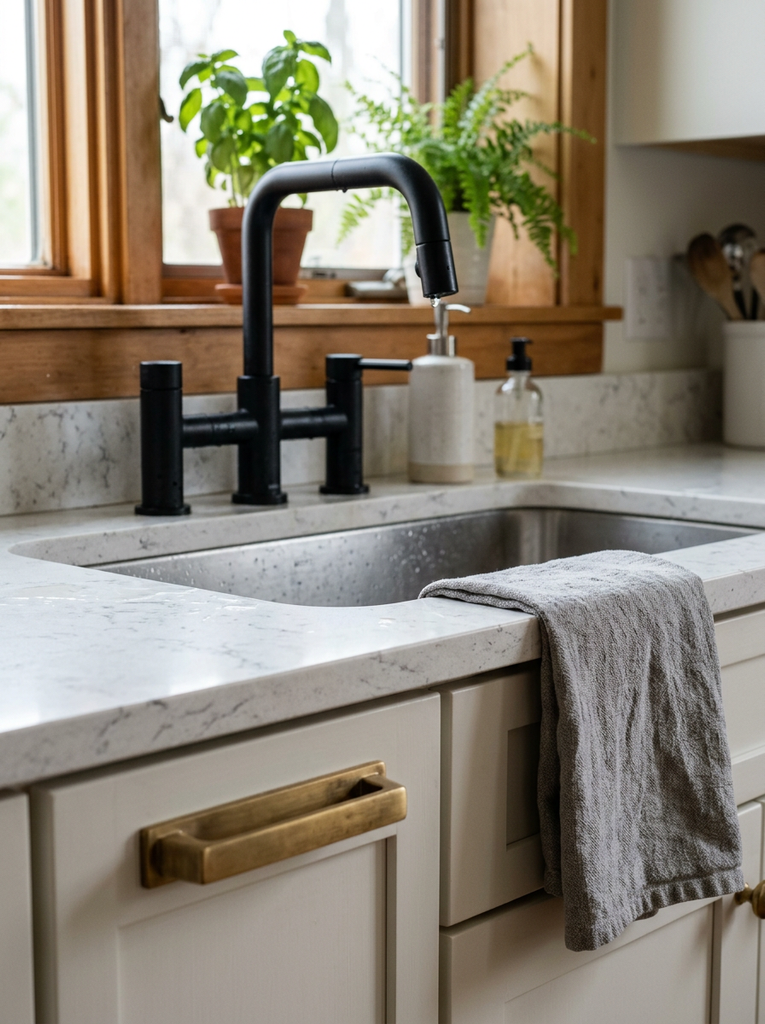
Mixing metals, like brushed brass pulls with a matte black faucet, adds subtle contrast without overwhelming the space. The key is picking one dominant metal and one accent, rather than scattering three or four finishes randomly.
I paired brass cabinet handles with a black tap, and the combination reads as intentional rather than mismatched. It also means you are not locked into a single finish for future updates.
| Kitchen Idea | Best For | Approximate Cost Range |
|---|---|---|
| Two-tone cabinets | Small to mid renovations | $$ |
| Open shelving | Small kitchens, budget updates | $ |
| Quartz countertops | Long-term durability | $$$ |
| Statement island | Kitchens with open layouts | $$$ |
| Layered lighting | Any kitchen size | $$ |
| Mixed metal hardware | Quick cosmetic refresh | $ |
Smart Layout and Efficient Work Zones
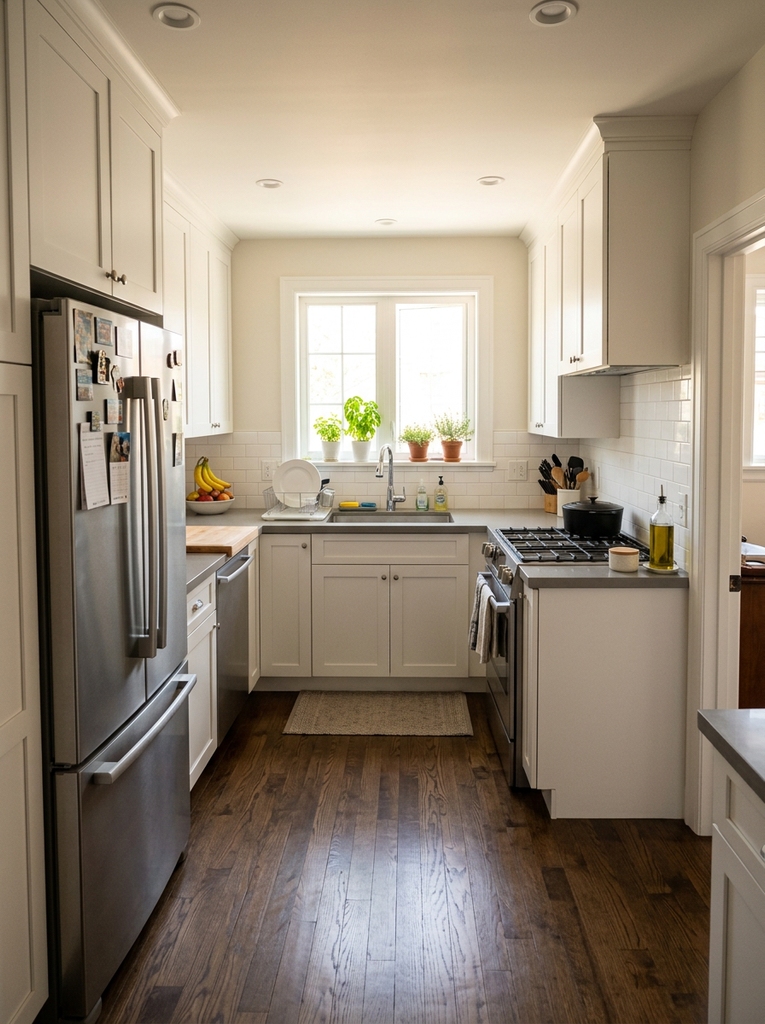
Beautiful finishes mean little if your kitchen layout fights you every time you cook. The classic work triangle, connecting your fridge, sink, and stove, still holds up as a planning tool even in open-concept kitchens.
I rearranged my counter layout before ever touching paint or cabinets, and that single change made cooking feel less chaotic overnight. Sometimes the most functional kitchen design idea costs nothing at all.
If a full layout change is not possible, focus on clearing the path between your three main zones. Even a rental kitchen benefits from removing whatever clutter sits between the stove and sink.
Final Thoughts
A modern kitchen does not need every idea on this list to feel complete. Pick the two or three that solve your actual problems, whether that is storage, lighting, or a layout that never quite worked.
I built my own kitchen this way, one change at a time, instead of a single overwhelming renovation. Two-tone cabinets came first, then better lighting, then finally a countertop swap once the budget allowed it.
Function and beauty are not competing goals. The best kitchen design ideas, from open shelving to a statement island, work because they solve a real problem while still looking intentional. Start with what bothers you most about your current kitchen, and build outward from there.
Frequently Asked Questions
What is the most affordable way to update a kitchen?
Two-tone cabinets or new hardware give the biggest visual change for the smallest budget. A coat of paint on lower cabinets alone can shift the whole room.
Are two-tone kitchen cabinets still trending?
Yes, two-tone cabinetry remains popular because it adds depth without committing to one bold color everywhere. It also ages better than a single trendy shade.
Is open shelving practical for a busy kitchen?
It works best for items you use daily, like mugs or bowls. Anything you rarely touch is better stored behind closed cabinet doors.
What countertop material lasts the longest?
Quartz countertops resist stains and scratches better than most alternatives. Granite and quartzite also hold up well for daily cooking.
How much does a kitchen island cost to add?
Costs vary widely based on size, materials, and plumbing needs. A simple island runs far less than one with a built-in sink or seating overhang.
What lighting works best over a kitchen island?
Pendant lights placed at eye-catching intervals give both task lighting and visual interest. Pair them with dimmable under-cabinet lights for flexibility.
Can I mix metal finishes in one kitchen?
Yes, as long as one metal finish dominates and the second acts as an accent. Two finishes usually reads as intentional, while three or more can look cluttered.